

Agave ocahui
Agave ocahui
Couldn't load pickup availability
The Sleekest Fine-Textured Agave for Modern Phoenix Landscapes
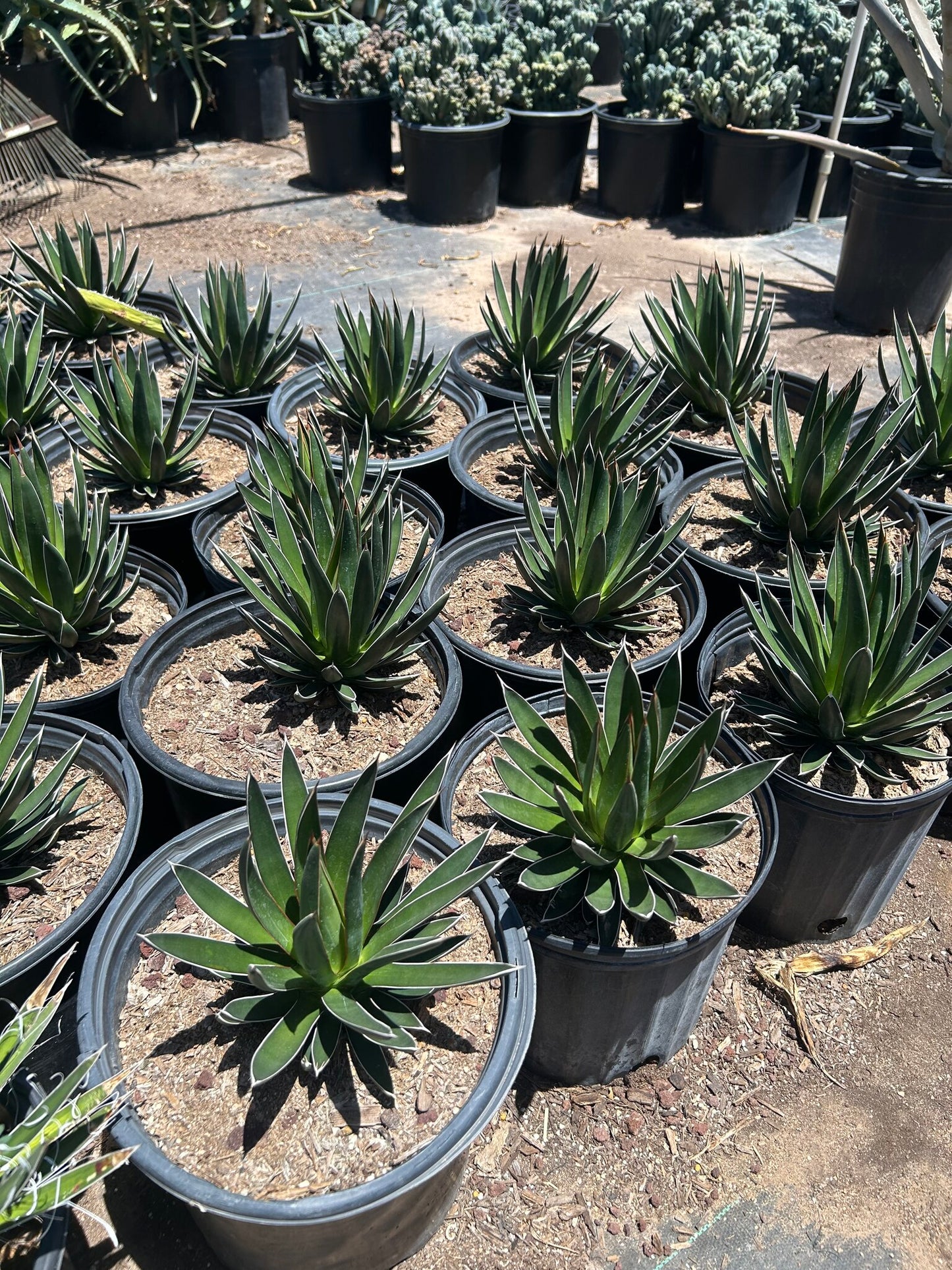
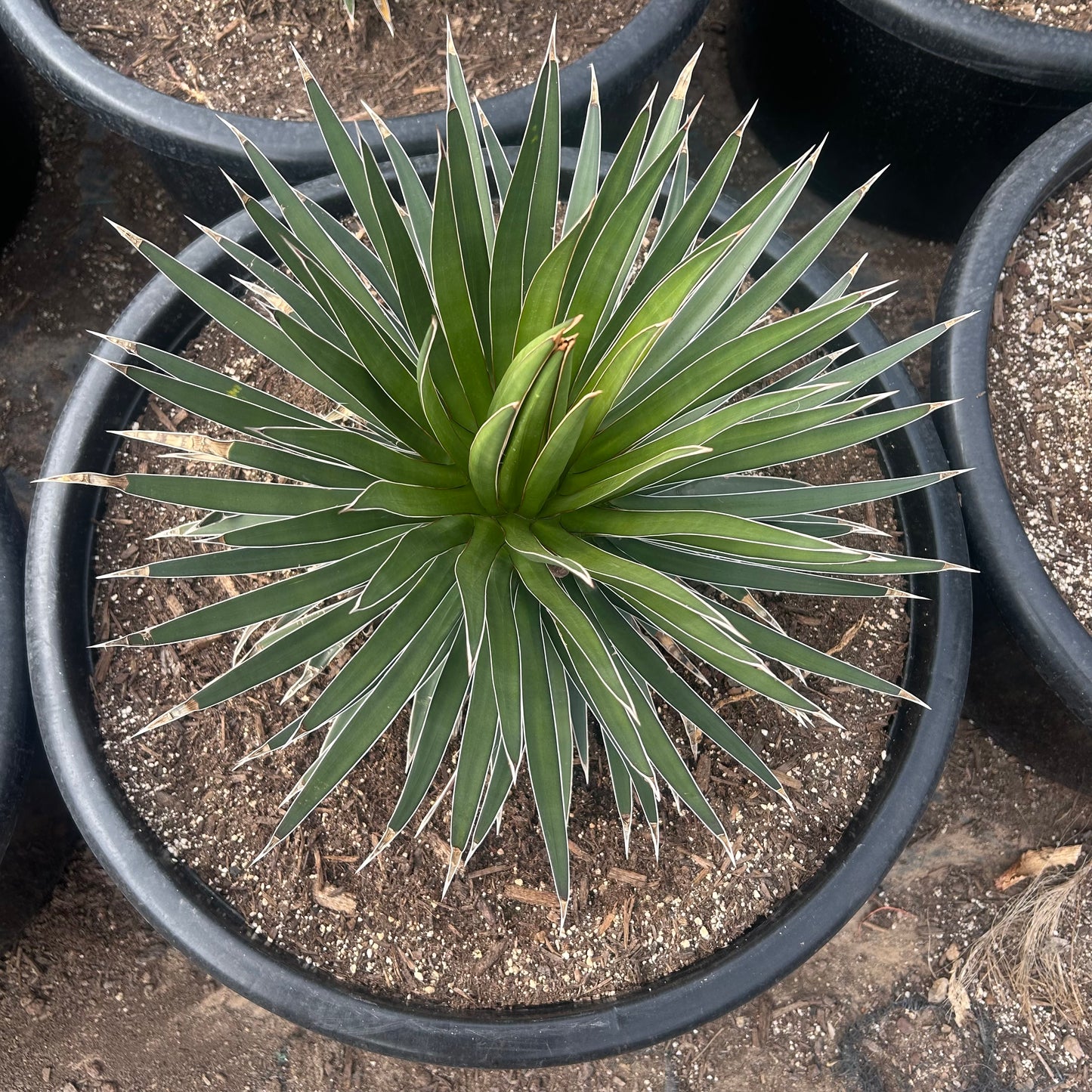
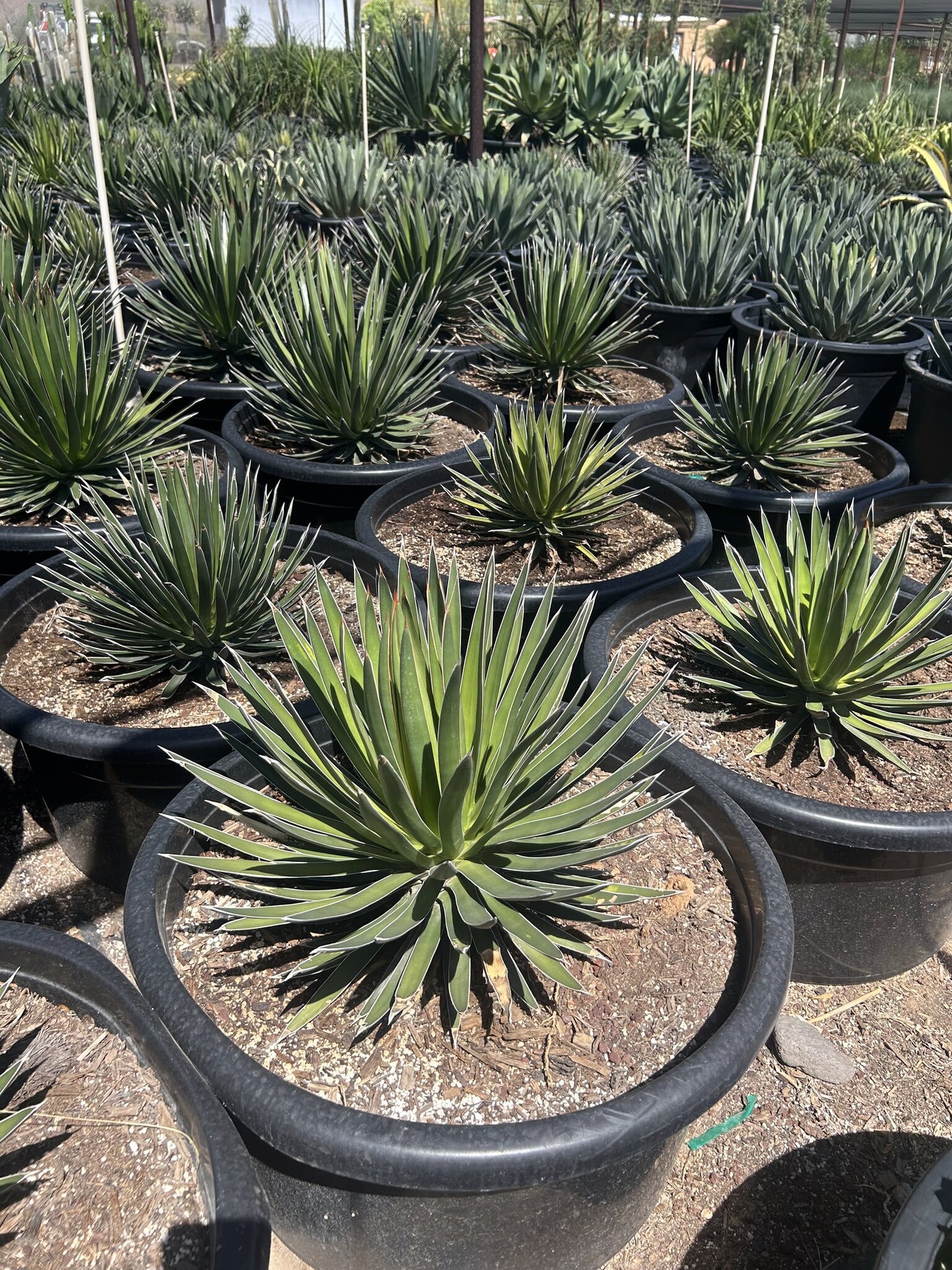
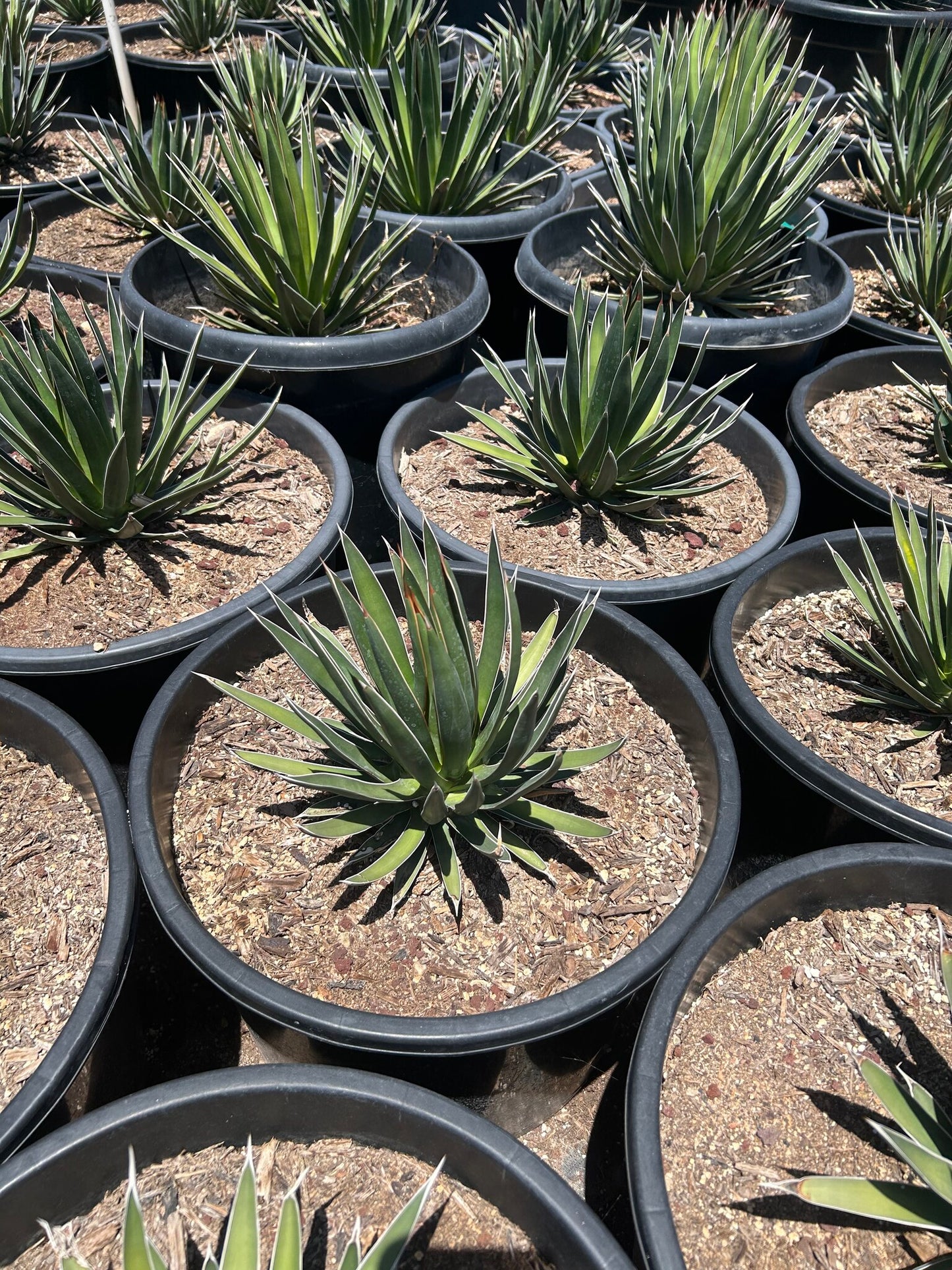
Agave ocahui is one of the most elegant and refined agaves available for Phoenix Valley gardens. Its narrow, smooth, dark green leaves radiate from a tight symmetrical rosette — creating a sleek, urchin-like form that fits perfectly into modern and minimalist desert designs. Unlike most agaves, its leaves are nearly toothless, making it one of the most people-friendly agaves for high-traffic areas. Extremely drought-tolerant and heat-hardy, it thrives across Scottsdale, Mesa, Chandler, Gilbert, and Tempe with minimal water. Whether you're lining a walkway in Paradise Valley, adding texture to a contemporary courtyard in Peoria, or building a refined succulent collection in Glendale — Agave ocahui delivers understated desert elegance.
Agave Ocahui Plant Details
| Attribute | Detail |
|---|---|
| Scientific Name | Agave ocahui |
| Common Names | Agave Ocahui, Ocahui Agave |
| Mature Height | 2–3 feet |
| Mature Width | 2–3 feet |
| Growth Rate | Slow to moderate — reaches full size in 5–8 years in Phoenix |
| Sun | Full sun (6+ hrs). Handles reflected heat from walls and pavement. Tolerates partial shade. |
| Water | Very low once established. Extremely drought-tolerant. |
| USDA Zones | 8–11 (Phoenix is Zone 9b–10a) |
| Soil | Well-draining required. Adapts to Arizona caliche and rocky native soils. |
| Foliage | Evergreen — narrow, smooth dark green leaves with minimal teeth |
| Bloom | Yellow flower spike up to 12–15 feet tall (monocarpic — blooms once after many years) |
Agave Ocahui Uses in Phoenix Landscapes
Walkway & Path Lining
Agave ocahui's compact size and nearly toothless leaves make it ideal for lining walkways, entry paths, and pool decks where people brush past. Space plants 2–3 feet apart for a rhythmic, architectural border. Its symmetrical form creates a clean, designed look that complements modern hardscape.
Modern Desert Courtyard
The sleek rosette pairs beautifully with contemporary materials — concrete, steel, and dark gravel. Plant in groups of three or five for a designer desert composition, or use as a solo accent in a raised planter or decorative pot.
Mixed Agave & Succulent Garden
Agave ocahui's fine texture contrasts beautifully with broader-leaved agaves like Agave Marmorata or Agave Celsii. Combine with Desert Spoon, Red Yucca, and Ruellia for varied heights, textures, and seasonal color in a water-wise desert bed.
Best Time to Plant Agave Ocahui in Phoenix
Fall (October–November) is ideal. Warm soil promotes root growth while cooler air reduces transplant stress, giving the plant 6–8 months to establish before its first Phoenix summer. Spring (February–April) is the second-best window. Avoid planting in peak summer if possible.
How to Plant Agave Ocahui
- Dig wide, not deep — 2–3x the root ball width, same depth as the container.
- Check for caliche — break through any hardpan layer for drainage.
- Backfill with native soil — a light 20% pumice or gravel amendment works for heavy clay.
- Spacing — 2–3 feet apart for borders; give single specimens at least 3 feet of clearance.
- Water basin — build a 3–4 inch soil ring to direct water to the root zone.
- Mulch — 2–3 inches of decorative gravel or decomposed granite.
Watering Agave Ocahui in Phoenix
First Year Watering Schedule
Weeks 1–2: Every 2–3 days, deep and slow (15–20 min). Month 1–3: Every 5–7 days. Month 3–6: Every 10–14 days. After Year 1: Every 3–4 weeks in summer; little to no water in winter.
Drip Irrigation
Place one 2 GPH emitter 12–18 inches from the base. Established plants need very little supplemental water — overwatering is the leading cause of agave death in Phoenix.
How fast does Agave ocahui grow in Phoenix?
It grows at a slow to moderate rate, reaching its full 2–3 foot spread in about 5–8 years. Even young plants display the characteristic sleek, symmetrical form.
Is Agave ocahui safe near walkways and pools?
Yes — it's one of the most people-friendly agaves. Its leaves have minimal teeth and smooth edges, making it a great choice near paths, pool decks, and patios where people pass by.
Is it drought tolerant?
Extremely. Once established after the first year, it thrives on Phoenix rainfall alone and handles extended dry periods effortlessly.
Does Agave ocahui produce pups?
It can produce offsets occasionally, though it's not a prolific pupper. Most plants grow as a single, symmetrical rosette for years before offsetting.
You May Also Like
- Agave Striata — Another fine-textured, narrow-leaved agave with a spiky urchin form.
- Agave Celsii — Blue-green agave with graceful recurving leaves and easy care.
- Desert Spoon (Dasylirion wheeleri) — Silvery native plant with fine-textured leaves for contrast.
- Red Yucca (Hesperaloe parviflora) — Grass-like desert plant with coral flower spikes.
How Many Agave Ocahui Do I Need?
Ocahui stays compact and symmetrical (about 2 to 3 ft wide), and its smooth, nearly toothless leaves make it one of the few agaves you can plant right along a path. Size your order from the use:
| Use | Spacing | Plants needed |
|---|---|---|
| Single sleek accent or potted specimen | n/a | 1 |
| Modern grouping in a courtyard | 2.5 ft apart | 3 to 5 in an odd-numbered set |
| Rhythmic path border, 12 ft run | 2.5 ft apart | 5 plants |
| Rhythmic path border, 24 ft run | 2.5 ft apart | 9 to 10 plants |
It has only a soft terminal tip and smooth margins, so it is comfortable beside walkways, pool decks, and patios where stiffer, toothed agaves would not work.
Agave Ocahui Season-by-Season in Phoenix
- Spring (Feb to Apr): Tidy symmetrical growth resumes and the dark green rosette tightens up. A good secondary planting window before summer.
- Summer (May to Sep): Thrives in full sun, extreme heat, and reflected heat off walls and pavement. Monsoon rain (Jul to Sep) usually covers an established plant's water needs, so ease off irrigation to avoid rot.
- Fall (Oct to Nov): Prime planting season. Warm soil and milder air help roots settle before winter.
- Winter (Dec to Jan): Stays evergreen and architectural. Cold-hardy to roughly 15°F, so it shrugs off normal Valley frost nights.
At a Glance
✔ Heat-Loving (Reflected-Heat Tolerant) ✔ Drought-Tolerant ✔ Evergreen ✔ Low-Maintenance ✔ Pool-Friendly (Low-Litter) ✔ Deer & Rabbit-Resistant ✔ Cold-Hardy to 15°F
Plant It With
- Agave Striata: A finer urchin form that rhymes with ocahui's sleek lines.
- Agave Celsii: Broader blue-green recurving leaves for textural contrast.
- Desert Spoon: A silvery fountain shape that adds height behind the low rosettes.
- Red Yucca: Coral flower spikes bring season-long color above the foliage.
Is Agave Ocahui Right for Your Yard?
This is a fit for full sun to light shade with fast-draining or amended caliche soil, and it is one of the best agaves for narrow beds, walkway edges, and pool surrounds thanks to its smooth, toothless leaves. It needs very little water once established and handles Valley frost. Not a fit if you want fast coverage or a large statement plant: it stays small and grows slowly, so buy the size you want now rather than waiting years for it to fill in.
Customer Reviews
Share