

Mammillaria mystax - Green
Mammillaria mystax - Green
Couldn't load pickup availability
A Beautifully Spined Clumping Cactus for Phoenix Container Gardens
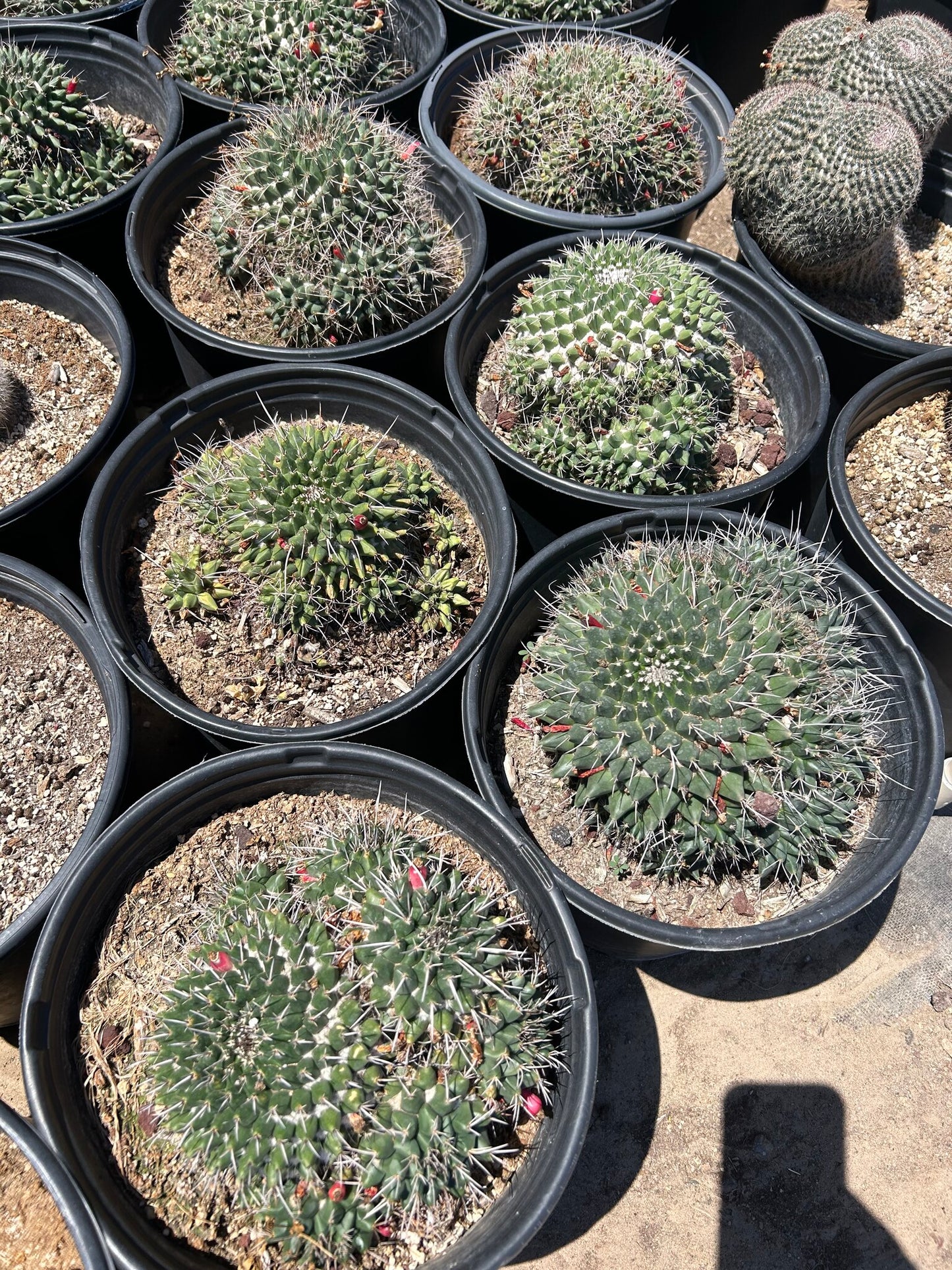
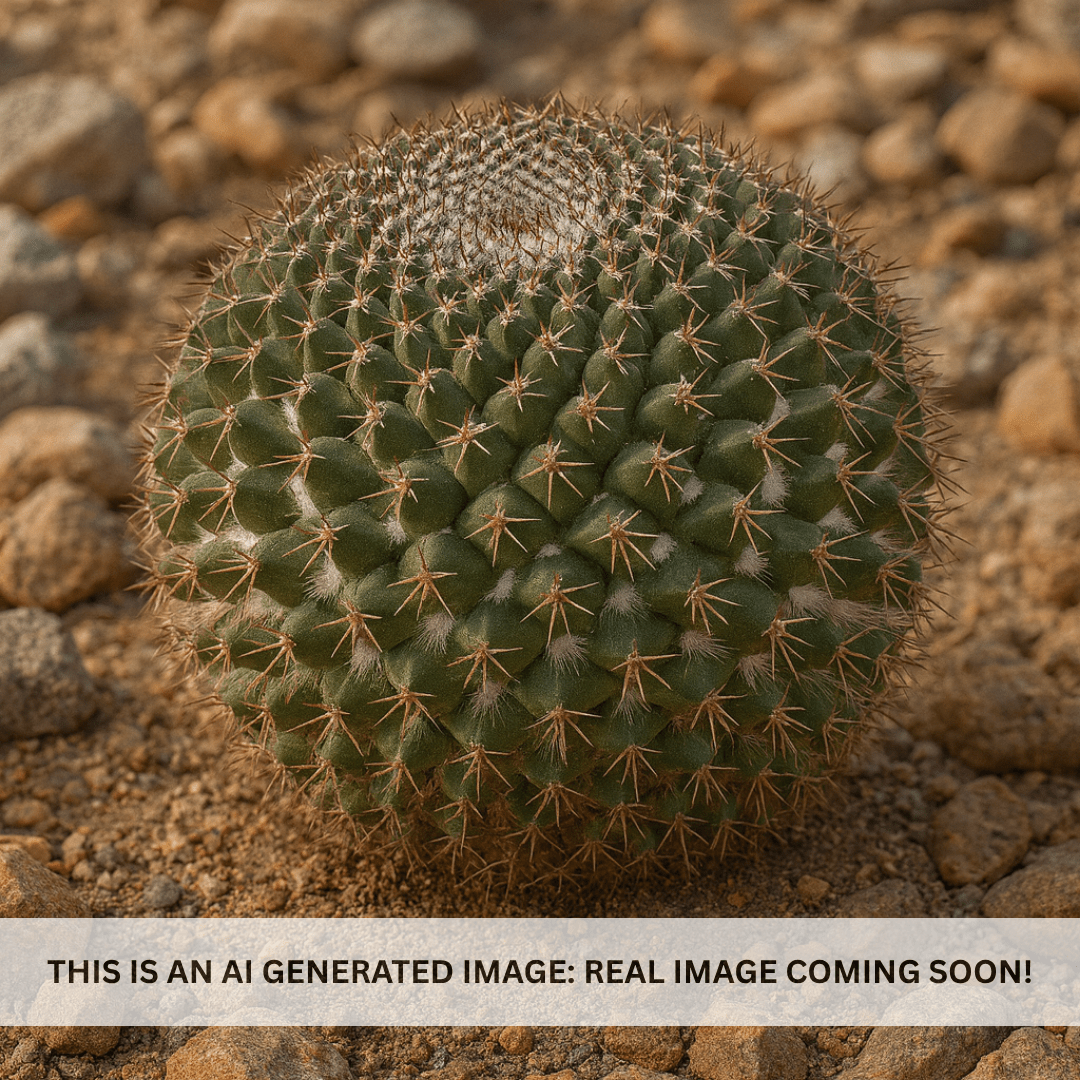
Mammillaria mystax Green is a show-stopping clumping cactus with gracefully curving spines and vibrant magenta flower crowns that appear each spring. The green form of Mammillaria mystax features a rich emerald body that highlights its elegant twisted spination — giving it a wilder, more dynamic look than most Mammillaria species. Whether you’re building a collector’s cactus display in Scottsdale, adding texture to a Chandler rock garden, or looking for a low-maintenance container plant for a Gilbert patio — Mammillaria mystax Green delivers year-round character with almost no care.
Mammillaria mystax Green Plant Details
| Attribute | Detail |
|---|---|
| Scientific Name | Mammillaria mystax |
| Common Names | Mammillaria mystax Green, Twisted Spine Mammillaria |
| Mature Height | 6–10 inches (up to 12 inches with age) |
| Mature Width | 8–12 inches (expands through offsets) |
| Growth Rate | Moderate — produces 2–4 offsets per year in Phoenix |
| Sun | Full sun to bright partial shade. Handles reflected heat from walls. |
| Water | Very low once established. Highly drought-tolerant. |
| USDA Zones | 9–11 (Phoenix is Zone 9b–10a) |
| Soil | Well-draining sandy or rocky mix. Adapts to Arizona caliche soils with added pumice. |
| Foliage | Evergreen — rich green body with twisted spines year-round |
| Bloom Color | Magenta to pink flower crowns in spring |
Mammillaria mystax Green Uses in Phoenix Landscapes
Container & Patio Showpiece
Mammillaria mystax Green is one of the best container cacti for Phoenix patios. Its compact clumping habit fills a wide, shallow pot beautifully, and the twisted spines catch light in fascinating ways throughout the day. The spring flower crown — a ring of bright magenta blooms circling the top — makes it a seasonal conversation starter. Use a simple terracotta or concrete planter to let the plant’s texture take center stage.
Rock Garden Texture
Plant Mammillaria mystax Green among boulders and decomposed granite where its unique spination and green body stand out. It pairs beautifully with lighter-colored cacti like White Clumping or Golden Ball for contrast. Group 3–5 plants spaced 10–12 inches apart for a natural-looking cluster in a Tempe or Mesa rock garden.
Collector’s Cactus Garden
The distinctive twisted spines make this a must-have for Mammillaria collectors. Combine it with Mammillaria melanocentra, White Owl’s Eyes, and Gold Mammillaria for a diverse Mammillaria display that shows the incredible variety within the genus. A raised bed with premium drainage is ideal in Peoria or Paradise Valley.
Desert Border Accent
Use Mammillaria mystax Green as a front-row accent along desert garden borders. Its manageable size and neat clumping habit make it perfect for edging pathways or garden beds. Plant alongside Texas Sage, Desert Spoon, or Ruellia for a layered desert border with year-round interest.
Best Time to Plant Mammillaria mystax Green in Phoenix
Fall (October–November) is ideal — warm soil encourages root establishment while cooler air reduces transplant stress. The cactus gets 6–8 months to settle before its first Phoenix summer. Spring (February–April) is the second-best window. Avoid summer planting when possible.
How to Plant Mammillaria mystax Green
- Dig wide, not deep — 2–3x the root ball width, same depth as the nursery container.
- Check for caliche — break through any hardpan layer for drainage. Mammillaria species rot quickly in standing water.
- Backfill with native soil — mix in 20–30% pumice or coarse sand for extra drainage.
- Spacing — 10–12 inches apart for mass plantings; 14–16 inches for individual specimens.
- Keep the crown high — plant at the same depth as the nursery pot. Never bury lower tubercles.
- Mulch with gravel — 2–3 inches of decomposed granite to retain warmth and prevent crown rot.
Watering Mammillaria mystax Green in Phoenix
First Year Watering Schedule
- Weeks 1–2: Water deeply every 5–7 days to settle roots
- Month 1–3: Every 10–14 days
- Month 3–6: Every 14–21 days (every 10–14 days in peak summer)
- After Year 1: Every 3–4 weeks in summer; monthly or less in winter
Drip Irrigation
Place a single 1 GPH emitter 6–8 inches from the base. Run for 20–30 minutes per session. Established plants are very drought-tolerant and need minimal supplemental water.
How fast does Mammillaria mystax Green grow?
Moderately — expect 2–4 new offsets per year in Phoenix. A 1 gallon plant develops into a nice multi-headed cluster within 2–3 years. The 10–15 gallon specimens are impressive established clumps.
What makes the Green form different?
The green form of Mammillaria mystax has a deeper, richer emerald body color compared to other varieties. This makes the twisted spines and magenta flowers pop with even more contrast. The green body also tends to show more defined tubercle patterns.
Can it handle Phoenix summer heat?
Yes. It handles full sun and reflected heat from walls and concrete. In extreme south-facing positions, light afternoon shade during the hottest weeks can prevent minor tip burn, but it’s generally very heat-tolerant.
Does Mammillaria mystax Green work in containers?
It’s one of the best container Mammillaria species available. The clumping habit fills pots beautifully, and the twisted spines and flower crowns make it ornamental year-round. Use a wide, shallow pot with excellent drainage.
You May Also Like
- White Owl’s Eyes — Silvery Mammillaria with pink blooms and similar clumping habit
- White Clumping — Snowy white spines with magenta flower crowns
- Mammillaria melanocentra — Dark-spined Mammillaria with dramatic contrast
- Gold Mammillaria — Golden-spined variety with dense clustering
- Golden Ball Cactus — Glowing golden globe for contrast in any cactus collection
How Many Mammillaria mystax Green Do I Need?
This is a small clumping cactus (8 to 12 inches wide at maturity), so it reads best in front-of-bed pockets, rock crevices, and containers rather than as a single distant focal point. Plant single in a wide shallow pot, or group in odd numbers so the clusters knit into one textured drift.
| Planting | Spacing | Plants needed |
|---|---|---|
| Small rock pocket / container cluster | 10 in centers | 3 to 5 |
| Front-of-bed drift, 6 sq ft | 12 in centers | 6 |
| Front-of-bed drift, 12 sq ft | 12 in centers | 11 to 12 |
Mammillaria mystax Green Season-by-Season in Phoenix
- Spring (Feb to Apr): The ring of magenta to pink flower crowns opens around the top of each head. New offsets begin to push. A great second planting window.
- Summer (May to Sep): Handles full sun and reflected wall heat. Pull back water and let it ride the heat dry. In the hardest south-facing spots, light afternoon shade during the worst weeks prevents minor tip burn. Monsoon humidity is fine as long as drainage is sharp.
- Fall (Oct to Nov): Prime planting season. Warm soil and milder air let roots settle before winter.
- Winter (Dec to Jan): Holds its rich green body and twisted spines year-round. Keep it nearly dry. It is hardy in the Valley, but in an open-sky frost pocket a light cover on the coldest nights avoids cosmetic spotting.
At a Glance
✔ Heat-Loving (Reflected-Heat Tolerant) ✔ Drought-Tolerant ✔ Pollinator-Friendly ✔ Evergreen ✔ Low-Maintenance ✔ Deer & Rabbit-Resistant
Plant It With
- Mammillaria melanocentra: dark-spined clumping Mammillaria for dramatic spine contrast in the same bed.
- Gold Mammillaria pringlii: dense golden spines that play off this plant's emerald body.
- Golden Ball: a glowing golden globe that lifts a green-and-magenta cactus grouping.
- Gymnocalycium saglionis: a larger ribbed globe that anchors a mixed collector's pocket.
Is Mammillaria mystax Green Right for Your Yard?
Yes if you want a tough, ornamental small cactus for full sun to bright part shade, sharp-draining soil (amend caliche with pumice), and a spot where its twisted spines and spring flower ring can be seen up close: a container, raised rock pocket, or front border edge. Not a fit if your bed stays wet or has heavy unamended clay, since standing water rots Mammillaria roots quickly.
Customer Reviews
Share