

Windmill Palm
Windmill Palm
Couldn't load pickup availability
The Hardiest Tropical Palm for Phoenix & Scottsdale Landscapes
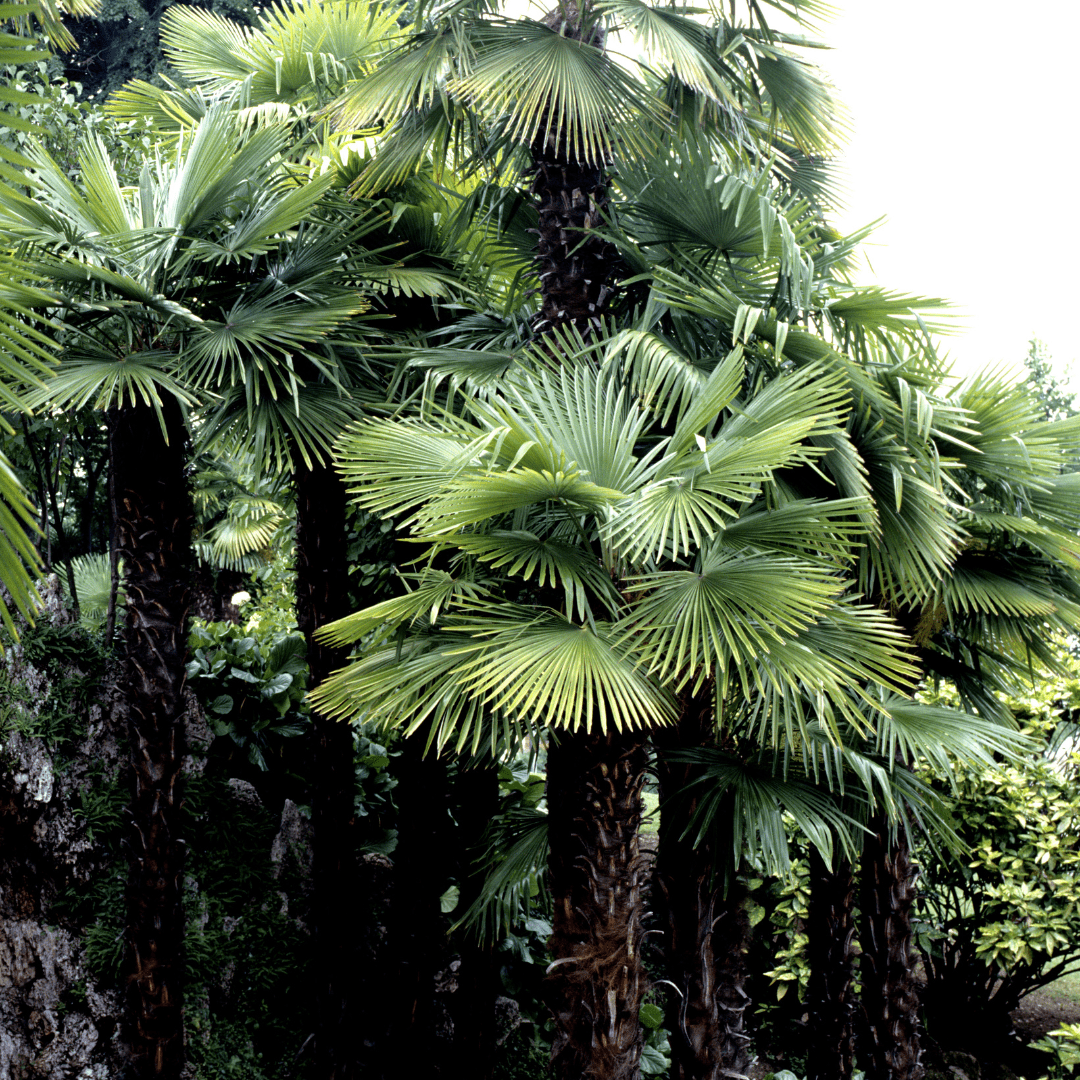
Windmill Palm (Trachycarpus fortunei) is one of the most cold-hardy palms available for the Phoenix Valley. This elegant single-trunk palm features a compact crown of fan-shaped dark-green fronds and a distinctive hairy trunk that gives it a rugged, textured look. Unlike most tropical palms, Windmill Palm can handle hard freezes down to the teens — making it a reliable choice for areas where other palms might suffer cold damage. Whether you're adding a tropical accent to a Scottsdale courtyard, creating a resort-style pool area in Chandler, or planting a statement palm in a Gilbert front yard — Windmill Palm brings year-round tropical beauty to Arizona landscapes.
Windmill Palm Plant Details
| Attribute | Detail |
|---|---|
| Scientific Name | Trachycarpus fortunei |
| Common Names | Windmill Palm, Chusan Palm, Chinese Windmill Palm |
| Mature Height | 10–20 feet |
| Mature Width | 6–10 feet (crown spread) |
| Growth Rate | Slow to moderate — 6–12 inches per year in Phoenix |
| Sun | Full sun to partial shade. Appreciates afternoon shade in peak summer. |
| Water | Moderate. Consistent watering for best appearance. |
| USDA Zones | 7–11 (Phoenix is Zone 9b–10a) — one of the most cold-hardy palms |
| Soil | Well-draining. Adapts to Arizona caliche soils with organic amendment. |
| Foliage | Evergreen — fan-shaped dark-green fronds year-round |
| Cold Hardiness | Hardy to 10°F — one of the toughest palms for Arizona winters |
Windmill Palm Uses in Phoenix Landscapes
Tropical Courtyard & Pool Areas
Windmill Palm is a top choice for creating tropical pool and courtyard settings throughout the Phoenix Valley. Its compact crown doesn't drop heavy debris into pools, and the distinctive trunk adds year-round texture. Plant it as a single specimen near a pool edge or group three at staggered heights for a resort-style look in Scottsdale, Paradise Valley, and Tempe backyards.
Front Yard Statement Tree
A single mature Windmill Palm makes a stunning front yard focal point. The textured, hairy trunk and elegant fan fronds create instant curb appeal that sets your home apart. Surround the base with low desert groundcovers like trailing lantana or Ruellia for a polished look in Mesa, Gilbert, and Chandler neighborhoods.
Container & Patio Palm
Windmill Palm grows well in large containers, making it ideal for framing entryways, lining patios, or accenting covered outdoor living areas. Its slow growth rate means it stays manageable in containers for many years — perfect for Peoria, Glendale, and Queen Creek homes with limited planting space.
Best Time to Plant Windmill Palm in Phoenix
Spring (March–May) is the ideal planting window. Warm temperatures fuel root establishment and the palm gets a full growing season before winter. Fall (October–November) also works well in Phoenix. Avoid planting in peak summer — while established Windmill Palms handle heat, new transplants struggle in extreme temperatures.
How to Plant Windmill Palm
- Dig wide, not deep — 2–3x the root ball width, same depth as the nursery container. Never plant deeper than the original soil line.
- Check for caliche — break through any hardpan layer for drainage; palms suffer in waterlogged soil.
- Amend the backfill — mix 25% organic compost with native soil to support this palm's moisture needs.
- Spacing — 6–8 feet from structures; 8–10 feet between grouped palms.
- Water basin — build a 4–5 inch ring to direct water to roots during establishment.
- Mulch — 3–4 inches of organic mulch to retain moisture and regulate root temperature.
Watering Windmill Palm in Phoenix
First Year Watering Schedule
- Weeks 1–2: Every 1–2 days, deep and slow (30+ min)
- Month 1–3: Every 2–3 days
- Month 3–6: Every 3–5 days (every 2 days in peak summer)
- After Year 1: Every 5–7 days in summer; every 10–14 days in winter
Drip Irrigation
Place three 2 GPH emitters evenly spaced 18–24 inches from the trunk. Windmill Palm needs more consistent moisture than desert-adapted palms — don't let the root zone dry out completely, especially during its first two summers.
How fast does Windmill Palm grow in Phoenix?
Slowly — expect 6–12 inches of trunk height per year. This is one of the slower-growing palms, which also means less maintenance. A 15-gallon specimen gives you immediate tropical presence.
Can it handle Phoenix summer heat?
Yes, with some afternoon shade and consistent water. Windmill Palm prefers slightly cooler conditions than date palms, so planting on the east side of a building or in a courtyard with afternoon shade produces the best results.
How cold hardy is it really?
Very — Windmill Palm handles temperatures down to 10°F, making it one of the most cold-hardy palms in the world. It breezes through Phoenix winters without any frost protection needed.
Does it need pruning?
Minimal. Remove brown or dead fronds as needed, but never remove green fronds — they're still feeding the palm. The hairy trunk fiber is natural and should be left in place.
You May Also Like
- Split Leaf Philodendron — A bold tropical accent plant that pairs perfectly with palms in sheltered settings.
- Weeping Fig — A lush evergreen tree that complements the tropical palm look.
- White Sky Flower — A tropical flowering vine to drape nearby arbors and trellises.
- Society Garlic — A purple-flowering groundcover to plant around palm bases.
How Many Windmill Palms Do I Need?
Windmill Palm is a slow, single-trunk specimen with a 6 to 10 foot crown, so it is set as an accent or grouped, not run as a hedge. Use these layouts:
- Single focal point: one palm at a pool edge, courtyard, or front-yard bed, set 6 to 8 feet from walls so the fan crown clears the structure.
- Staggered cluster: group 3 at different heights 8 to 10 feet on center for a resort-style vignette.
- Container pair: flank an entry or patio with two potted palms, repotting up as they slowly gain height.
The compact crown drops little litter, so it sits comfortably near pools and seating with just a few feet of clearance.
Windmill Palm Season-by-Season in Phoenix
- Spring (Mar–May): the prime planting window; new fan fronds open from the crown as soil warms and the palm settles in.
- Summer (May–Sep): handles heat best with afternoon shade and steady moisture, since it prefers slightly cooler, more humid conditions than date palms. Do not let the root zone dry out in peak heat; monsoon humidity is welcome.
- Fall (Oct–Nov): a good second planting window as temperatures ease; the dark green crown holds through the season.
- Winter (Dec–Jan): the standout season, evergreen and cold-hardy to about 10°F, so it sails through any Valley freeze with no frost protection needed.
At a Glance
✔ Evergreen ✔ Pool-Friendly (Low-Litter) ✔ Low-Maintenance ✔ Cold-Hardy to 10°F
Plant It With
- Pindo Palm: another exceptionally cold-hardy palm whose feathery crown contrasts the windmill's fans.
- Mediterranean Fan Palm: a hardy multi-trunk fan palm that layers a fuller form nearby.
- Pygmy Date Palm: a compact feather palm to soften the base in a sheltered grouping.
- Desert Spoon: a low-water silver rosette accent for the understory.
Is Windmill Palm Right for Your Yard?
Windmill Palm thrives in a courtyard or east-facing spot with afternoon shade, consistent moisture, and shelter from harsh wind, and it is the most freeze-proof palm you can plant in the Valley. It is not a fit for a hot, west-facing, reflected-heat exposure or a low-water, plant-and-forget bed: it prefers cooler, evenly moist conditions and will look stressed if baked and left dry.
Share