

Virginia Creeper
Virginia Creeper
Couldn't load pickup availability
The Fastest-Growing Privacy Vine for Phoenix Walls & Fences
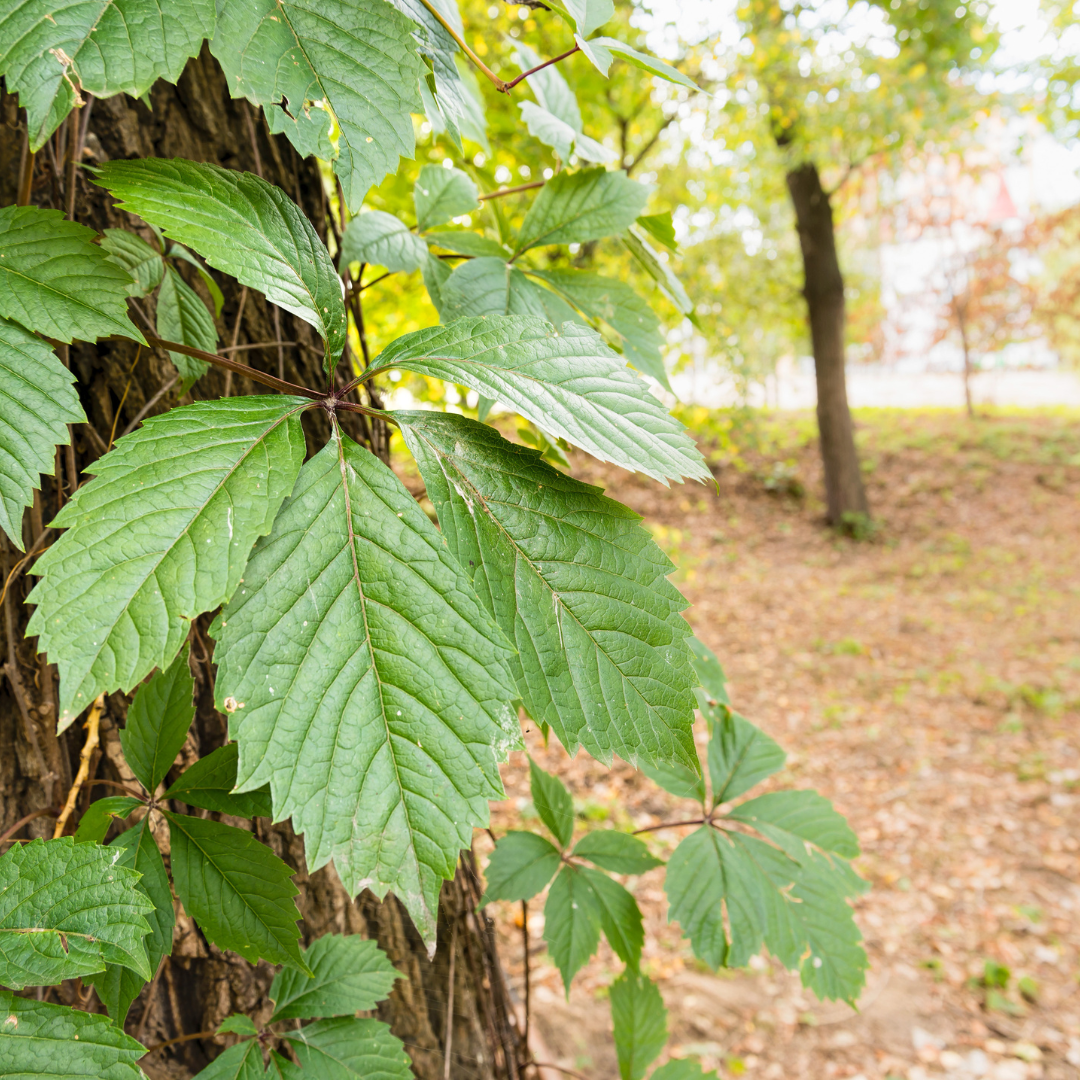
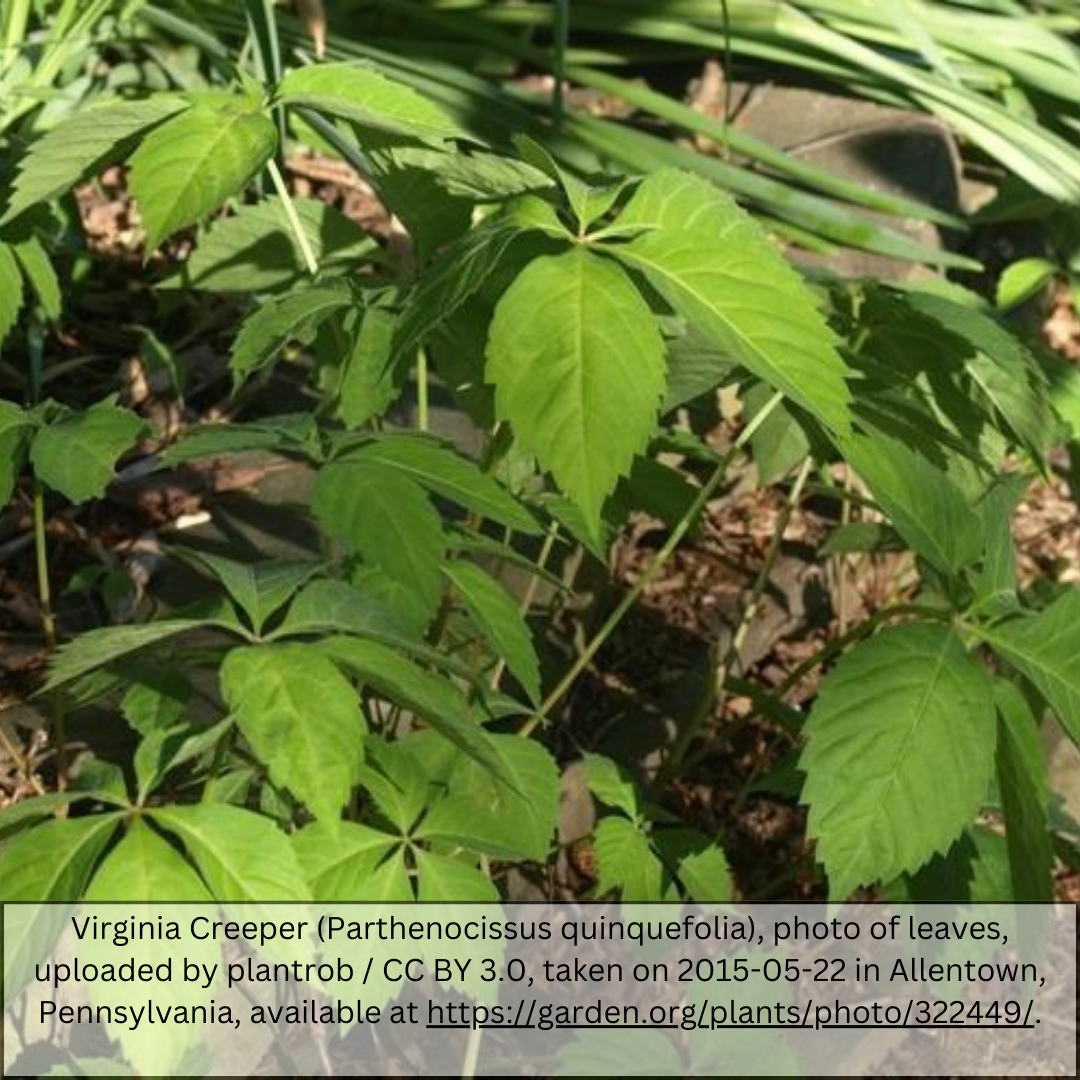
Virginia Creeper (Parthenocissus quinquefolia) is one of the most vigorous and adaptable climbing vines you can grow in the Phoenix Valley. This native North American vine quickly covers walls, fences, trellises, and arbors with lush five-leaflet foliage that turns brilliant shades of crimson and scarlet in fall — a rare treat in Arizona landscapes. It climbs by adhesive tendrils and can reach 30–50 feet, making it ideal for screening large areas fast. Whether you're covering a bare Scottsdale block wall, creating shade on a Gilbert pergola, or adding fall color to a Mesa backyard — Virginia Creeper delivers rapid coverage with minimal care.
Virginia Creeper Plant Details
| Attribute | Detail |
|---|---|
| Scientific Name | Parthenocissus quinquefolia |
| Common Names | Virginia Creeper, Five-Leaved Ivy, Woodbine |
| Mature Height | 30–50 feet (climbing) |
| Mature Width | Spreads as far as support allows |
| Growth Rate | Fast — 5–10 feet per year in Phoenix with regular water |
| Sun | Full sun to partial shade. Tolerates reflected heat from walls. |
| Water | Low to moderate once established. Drought-tolerant for a vine. |
| USDA Zones | 3–10 (Phoenix is Zone 9b–10a) |
| Soil | Highly adaptable. Thrives in Arizona caliche soils. |
| Foliage | Deciduous — brilliant red-crimson fall color, drops leaves in winter |
| Native Status | Native to North America |
Virginia Creeper Uses in Phoenix Landscapes
Wall & Fence Coverage
Virginia Creeper is the go-to vine for quickly covering bare block walls, stucco facades, and chain-link fences throughout the Phoenix Valley. Its adhesive tendrils cling to almost any surface without needing a trellis. A single plant can cover 15–20 feet of wall width within 2–3 years. Plant one every 8–10 feet along a long fence for rapid full coverage.
Pergola & Arbor Shade
Train Virginia Creeper over a pergola, ramada, or arbor to create natural shade for outdoor living areas. The dense summer foliage provides excellent shade while the deciduous habit allows winter sun to warm the space. An ideal solution for Chandler, Tempe, and Peoria backyards where summer shade is critical.
Fall Color Accent
One of the few vines that delivers spectacular fall color in the Phoenix Valley. The leaves turn brilliant crimson, scarlet, and burgundy in October–November before dropping. Plant it where the fall display will be visible — along a driveway wall, over a front courtyard, or on a trellis framing a patio seating area.
Best Time to Plant Virginia Creeper in Phoenix
Fall (October–November) is the ideal planting window. The cooler temperatures and warm soil encourage fast root establishment, giving the vine a strong foundation before summer heat arrives. Spring (February–April) is the second-best window. Avoid planting in peak summer — while Virginia Creeper is tough, new transplants struggle in 110°F heat.
How to Plant Virginia Creeper
- Dig wide, not deep — 2–3x the root ball width, same depth as the nursery container.
- Check for caliche — break through any hardpan layer for drainage.
- Backfill with native soil — a light 20% organic blend encourages fast root spread.
- Spacing — 8–10 feet apart for wall coverage; single plant for a trellis or arbor.
- Support — guide initial stems toward the wall or trellis; adhesive tendrils will take over.
- Mulch — 2–3 inches of bark or gravel mulch to retain moisture around the root zone.
Watering Virginia Creeper in Phoenix
First Year Watering Schedule
- Weeks 1–2: Every 1–2 days, deep and slow (20–30 min)
- Month 1–3: Every 3–4 days
- Month 3–6: Every 5–7 days (every 3–4 days in peak summer)
- After Year 1: Every 7–14 days in summer; every 3–4 weeks in winter
Drip Irrigation
Place two 2 GPH emitters 12–18 inches from the base on opposite sides. Virginia Creeper is more drought-tolerant than most vines once established, but consistent water in the first year produces the fastest coverage.
How fast does Virginia Creeper grow in Phoenix?
Very fast — expect 5–10 feet of new growth per year with regular water. It can cover a 20-foot wall section within 2–3 years from a 5-gallon plant.
Is Virginia Creeper invasive?
It's vigorous but manageable with annual pruning. Trim away from windows, gutters, and rooflines once or twice per year. The adhesive tendrils can leave marks on painted surfaces, so it's best on block walls, stucco, or wood fences.
Does it really turn red in Phoenix?
Yes — Virginia Creeper is one of the few plants that delivers true fall color in the desert. Leaves turn brilliant crimson and scarlet in October–November before dropping for winter.
Is it toxic?
The berries are toxic to humans but are an important food source for birds. The leaves and stems are safe to touch. Keep children from eating the small blue-black berries in fall.
You May Also Like
- Trumpet Creeper — A fast-growing vine with showy orange-red trumpet flowers that attract hummingbirds.
- Trailing Germander — A low-growing ground cover vine for borders and slopes.
- Weeping Fig — A lush evergreen tree for privacy screening in sheltered Phoenix locations.
- White Sky Flower — A tropical-look vine with cascading white blooms for arbors and trellises.
Share