

Sweet Acacia
Sweet Acacia
Fragrant yellow puffball blooms on a desert classic
Couldn't load pickup availability
Sweet Acacia (Vachellia farnesiana) – Fragrant Desert Tree for Phoenix Landscapes
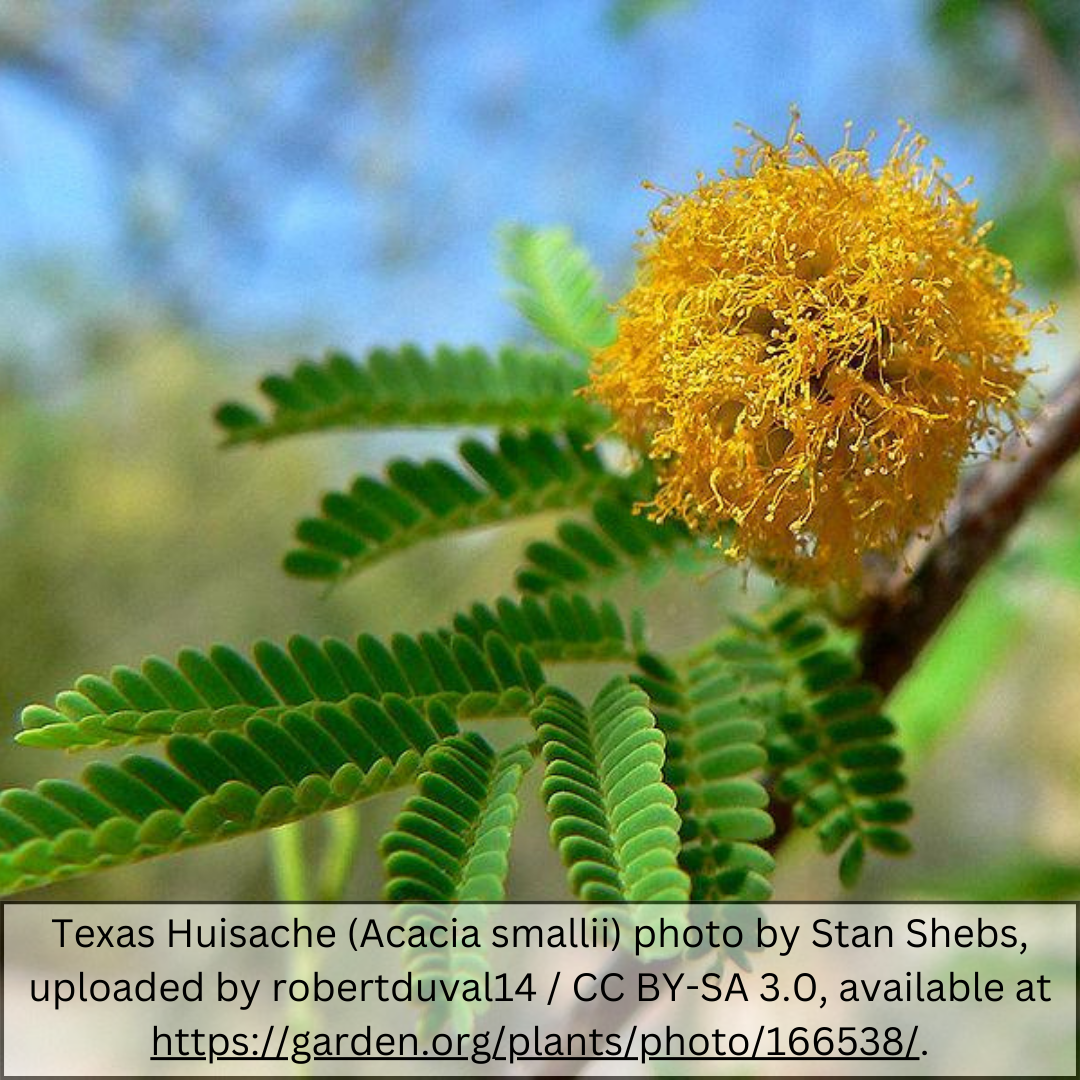
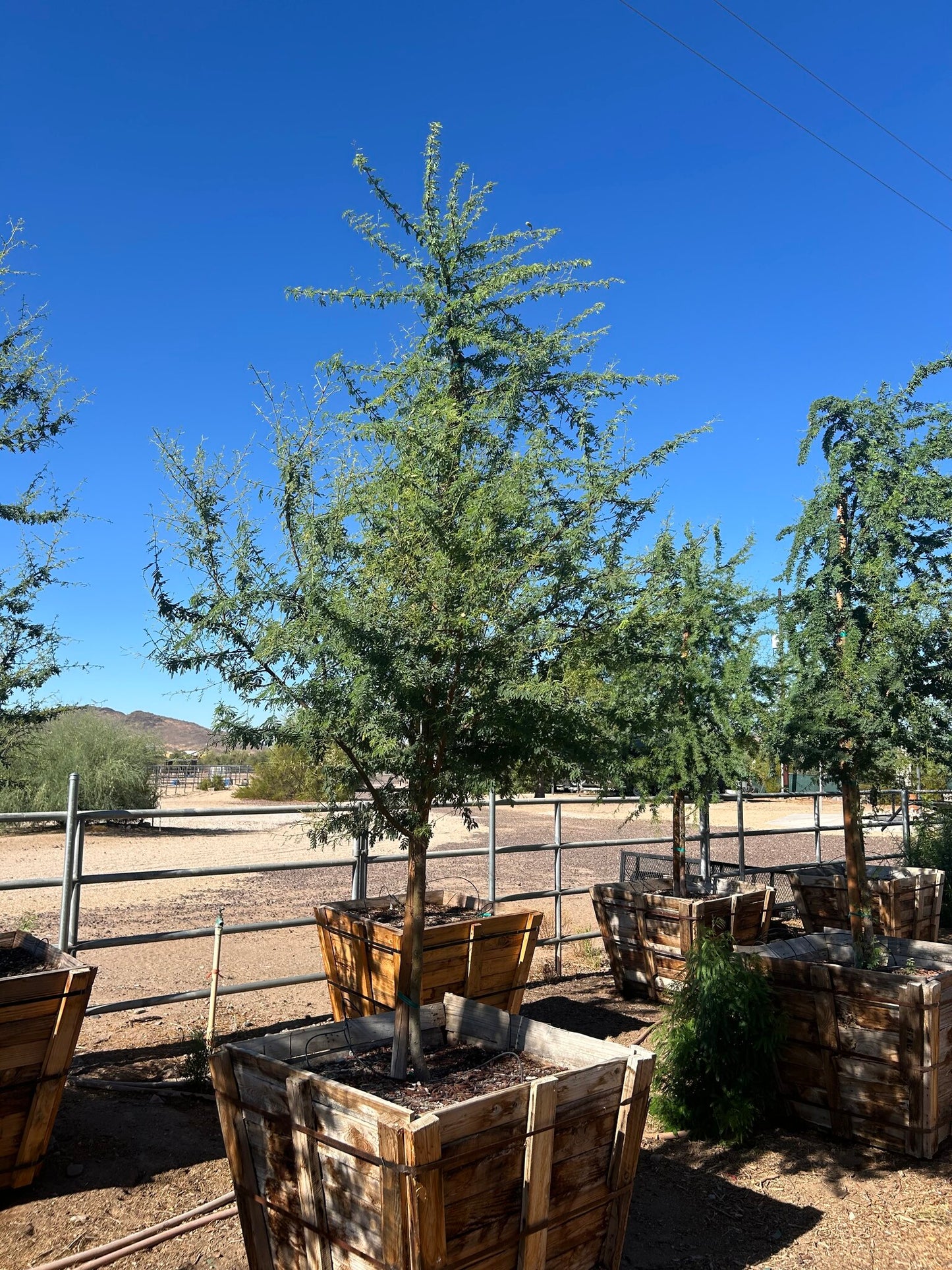
Sweet Acacia (Vachellia farnesiana, formerly Acacia farnesiana) is a small, multi-trunked desert tree prized for its intensely fragrant golden-yellow puffball blossoms that perfume the air each late winter and spring. Native to the Sonoran Desert and tropical Americas, this tough, drought-tolerant tree thrives in the extreme heat of Phoenix, Scottsdale, and the greater Valley of the Sun. Its feathery, fine-textured foliage, airy canopy, and attractive seed pods deliver year-round visual interest, while its wildlife value — drawing butterflies, bees, and birds — makes it a standout choice for naturalistic and water-wise landscapes alike.
| Plant Details | |
|---|---|
| Common Name | Sweet Acacia, Huisache |
| Scientific Name | Vachellia farnesiana (syn. Acacia farnesiana) |
| Plant Type | Deciduous to semi-evergreen shrub/small tree |
| Mature Height | 10–20 ft |
| Mature Spread | 10–20 ft |
| Growth Rate | Moderate to fast (2–3 ft/year with irrigation) |
| Sun Exposure | Full Sun |
| Water Needs | Low to moderate once established |
| Flower Color | Golden yellow |
| Bloom Season | Late winter to early spring (Feb–Apr) |
| Hardiness Zones | USDA Zones 8–11 |
| Soil | Well-draining sandy, loamy, or rocky soil; pH 6.0–8.0 |
| Available Sizes | 3/5 Gal · 10/15 Gal · 25 Gal · 36" Box |
Why Plant Sweet Acacia in Phoenix?
Few trees match Sweet Acacia's combination of beauty, fragrance, and desert toughness. It blooms reliably in late winter when little else is flowering, filling the garden with a sweet, honey-like perfume. Its thorny branching habit makes it an effective wildlife habitat and natural barrier, while its open, airy canopy casts dappled shade without blocking breezes. Sweet Acacia is a top choice for:
- Fragrance gardens – Intensely scented blossoms attract attention and pollinators from late winter through spring.
- Wildlife-friendly yards – Flowers draw bees, butterflies, and hummingbirds; seed pods feed quail and songbirds.
- Drought-tolerant landscapes – Thrives on minimal irrigation once established, fitting seamlessly into low-water xeriscape designs.
- Natural screens and barriers – Dense, thorny branching provides effective privacy and security screening.
- Accent and specimen planting – Golden flower clusters and feathery foliage create a striking focal point year-round.
Best Time to Plant Sweet Acacia in the Phoenix Area
Plant Sweet Acacia in early spring (February–April) or fall (September–November) for best results. Spring planting allows the tree to establish its root system during warm, moderate temperatures before summer heat arrives. Fall planting takes advantage of cooling temperatures and winter rains, reducing stress on the newly planted tree. Avoid planting during the peak of summer (June–August) unless you can provide frequent supplemental irrigation to protect the young tree from heat stress.
How to Plant Sweet Acacia
- Choose a sunny location – Sweet Acacia requires full sun (6+ hours/day) and excellent drainage. Avoid low-lying areas where water pools.
- Dig the planting hole – Make the hole 2–3 times as wide as the root ball and no deeper than its height. A wide, shallow hole encourages lateral root development.
- Amend sparingly – In most Phoenix soils, no amendment is needed. If your native soil is very compacted, mix in a small amount of compost to improve tilth, but avoid over-amending, which can cause roots to stay in the amended zone.
- Place the tree – Set the root ball so the top sits level with or slightly above the surrounding soil grade. Never plant too deep, as crown rot can result.
- Backfill and tamp – Backfill with native soil, gently tamping out large air pockets. Build a watering basin (berm) around the drip line to hold irrigation water.
- Water thoroughly – Water deeply immediately after planting. Keep soil consistently moist (not waterlogged) for the first 4–6 weeks.
- Mulch – Apply 3–4 inches of organic or inorganic mulch around the root zone, keeping mulch several inches away from the trunk, to conserve moisture and regulate soil temperature.
Watering Guide for Sweet Acacia
Sweet Acacia is drought-adapted once established but benefits from regular deep watering during the establishment period and during extreme summer heat. Follow these guidelines for healthy growth in the Phoenix climate:
- First year (establishment): Water every 3–5 days during summer; every 7–10 days in spring and fall; every 2–3 weeks in winter. Always water deeply to encourage deep root growth.
- Established trees (year 2+): Water every 10–14 days during summer; every 3–4 weeks in spring and fall; monthly or rely on natural rainfall in winter. Deep, infrequent watering produces the most drought-hardy trees.
- Signs of overwatering: Yellowing leaves, soft or mushy roots, and standing water. Reduce frequency and improve drainage if these symptoms appear.
- Signs of underwatering: Wilting, leaf drop, and crispy brown leaf tips. Increase frequency and ensure water penetrates 18–24 inches deep.
Frequently Asked Questions
Is Sweet Acacia thorny?
Yes. Sweet Acacia has sharp paired thorns at leaf nodes. Wear gloves when planting or pruning, and site it where children and pets won't brush against it frequently. Its thorny habit also makes it an effective natural barrier.
How fast does Sweet Acacia grow?
Sweet Acacia is a moderate to fast grower, typically adding 2–3 feet per year with regular irrigation. Growth slows considerably once fully established and on a low-water irrigation schedule.
Does Sweet Acacia drop its leaves?
Sweet Acacia is semi-deciduous in the low desert. It may drop some or all of its leaves during cold winters or periods of drought stress, but it re-leafs quickly in spring. In mild Phoenix winters, it often stays nearly evergreen.
When does Sweet Acacia bloom?
Expect fragrant golden-yellow puffball blossoms from late winter through early spring — typically February through April in the Phoenix area. Warm winters may bring early blooms; cold snaps can delay flowering slightly.
Is Sweet Acacia deer resistant?
Its thorny branches provide natural protection. While deer will browse almost anything under pressure, Sweet Acacia's spines make it a much less attractive target than unarmed plants.
Can Sweet Acacia be pruned into a single-trunk tree?
Yes. With selective pruning over several years, Sweet Acacia can be trained into a small single-trunked tree. Left to grow naturally, it develops an attractive multi-trunked shrubby form. Prune after bloom to avoid cutting off next year's flower buds.
You May Also Like
- Willow Acacia (Acacia salicina)
- Shoestring Acacia (Acacia stenophylla)
- Foothill Palo Verde (Parkinsonia microphylla)
- Desert Museum Palo Verde
How Many Sweet Acacia Do I Need?
Sweet Acacia is a specimen-scale desert tree, maturing to roughly 10 to 20 feet wide, so it is sited individually rather than in a hedge. Plant one as a fragrant focal point near a patio or courtyard (but back from walkways and pool decks, since the thorns and seed pods drop litter). For a loose informal screen or grove, space trees about 12 to 15 feet apart on center so each airy canopy has room to fill in. Keep at least 6 to 8 feet of clearance from paths, play areas, and seating because of the paired thorns.
Sweet Acacia Season-by-Season in Phoenix
- Spring (Feb to Apr): The headline season. Fragrant golden puffball flowers cover the canopy from late winter into spring and draw bees and butterflies. Best spring planting window before the heat.
- Summer (May to Sep): Fully heat and reflected-heat tolerant. Feathery foliage casts light dappled shade and the tree shrugs off the hottest days on deep, infrequent water. Monsoon rains push a flush of growth.
- Fall (Oct to Nov): Prime planting season. Seed pods mature and feed quail and songbirds as the weather cools.
- Winter (Dec to Jan): Semi-deciduous and cold-hardy for the Valley, taking brief lows near 15°F with little harm. It may thin out or drop leaves in a cold snap, then re-leaf in spring. No frost cover needed in most Phoenix winters.
At a Glance
✔ Arizona Native ✔ Pollinator-Friendly ✔ Hummingbird-Friendly ✔ Heat-Loving (Reflected-Heat Tolerant) ✔ Drought-Tolerant ✔ Low-Maintenance ✔ Shade-Providing ✔ Deer & Rabbit-Resistant ✔ Cold-Hardy to 15°F
Plant It With
- Desert Spoon: a native architectural rosette that anchors the bed beneath the tree's open canopy.
- Red Yucca: coral bloom spikes and grassy form that thrive in the same low-water, full-sun spot.
- Brittlebush: a native that fills in with silver foliage and yellow spring daisies under the tree.
- Desert Ruellia: an evergreen mounding shrub that softens the trunk base with purple bloom.
Is Sweet Acacia Right for Your Yard?
Sweet Acacia is a strong fit for a full-sun, well-draining spot where you want fragrance, light shade, and wildlife value on very little water once established. It handles caliche, reflected heat, and Valley frost with ease. It is not the best fit right next to a pool, walkway, or play area, since the paired thorns and dropped pods create litter and a brush hazard. Give it room and set it back from foot traffic.
Share