

Superstition Mallow sizes, side by side
Typical height of the plants we have in stock now, measured from the soil to the top. Every plant is a little different.
| Size | At delivery | Price |
|---|
Superstition Mallow
Superstition Mallow
Couldn't load pickup availability
Phoenix's Silver-Leaf Native Mallow with Apricot Blooms
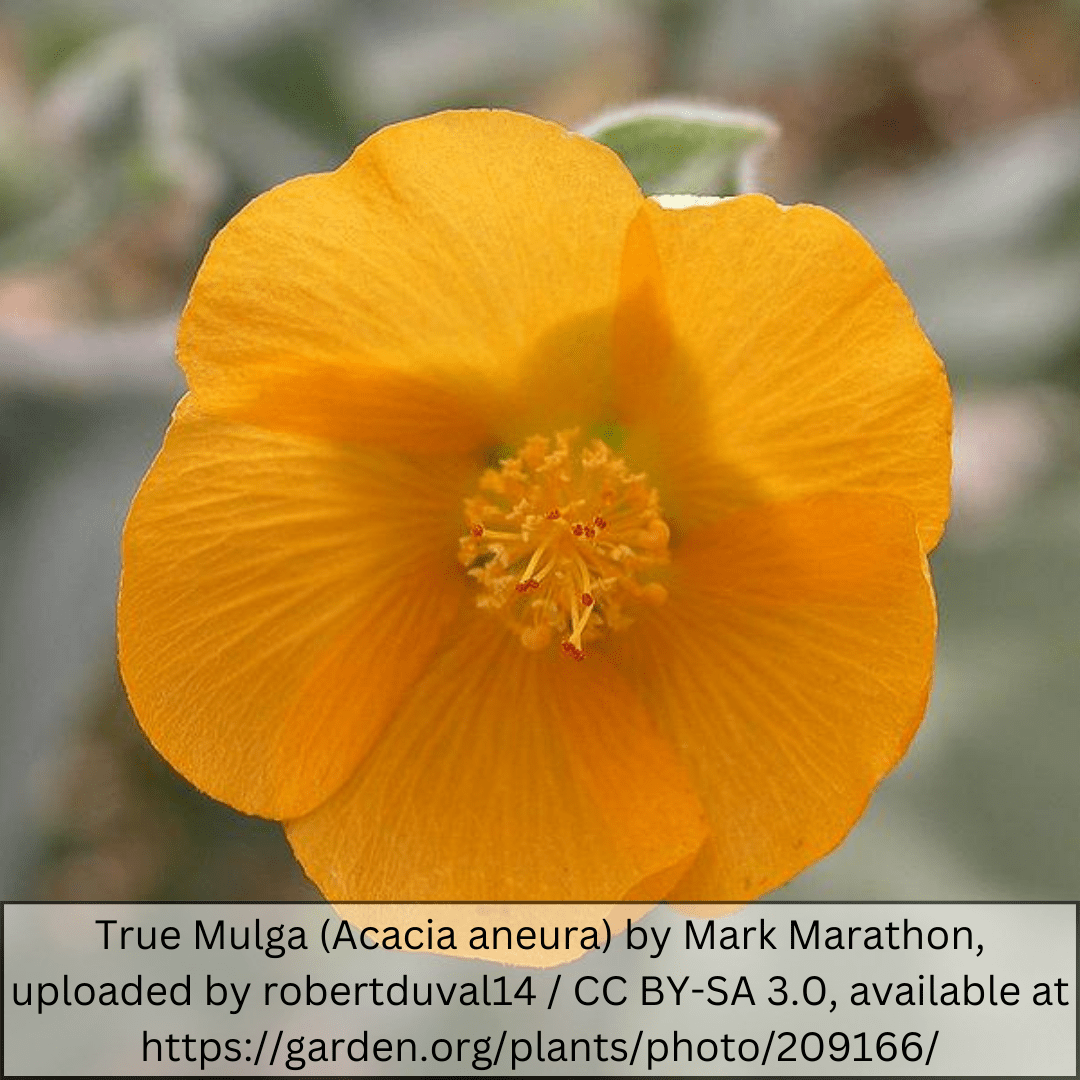
Superstition Mallow (Abutilon palmeri) is an Arizona native shrub that produces cup-shaped apricot to yellow-orange flowers against soft, velvety, silver-gray heart-shaped leaves. This tough mallow grows 3 to 5 feet tall and about as wide with an upright, open habit. The blooms appear from spring through fall and glow against the silver foliage. Whether you're softening a sunny wall in a Scottsdale garden, adding native color to a Chandler courtyard, or planting a low-water pollinator bed in Mesa, Superstition Mallow brings year-round silver texture and warm flowers with very little water.
Superstition Mallow Plant Details
| Attribute | Detail |
|---|---|
| Scientific Name | Abutilon palmeri |
| Common Names | Superstition Mallow, Palmer's Indian Mallow, Palmer's Abutilon, Velvet-leaf Mallow |
| Mature Height | 3 to 5 feet (can get taller and leggier with extra water) |
| Mature Width | 3 to 5 feet |
| Growth Rate | Moderate to fast in Phoenix conditions |
| Sun | Full sun, including reflected heat. Tolerates light part shade but blooms best and stays compact in full sun. |
| Water | Low once established. Overwatering gives lush growth with fewer flowers. |
| USDA Zones | 9–11 (Phoenix is Zone 9b–10a) |
| Soil | Well-draining. Adapts to rocky, sandy and Arizona caliche soils. |
| Foliage | Semi-evergreen, soft velvety silver-gray heart-shaped leaves |
| Bloom | Apricot to yellow-orange cup-shaped flowers, spring to fall |
Superstition Mallow Uses in Phoenix Landscapes
Silver-Foliage Accent
Superstition Mallow's velvety silver leaves stand out all year, and the apricot flowers add warm color for most of the warm season. Use it as an informal accent near an entry, along a sunny wall, or beside boulders, where its soft texture can be seen up close. The silver foliage reads especially well against darker walls, rock and deep green plants.
Mixed Perennial & Shrub Borders
Combine Superstition Mallow with bright companions like Yellow Bells, Red Bird of Paradise, or Angelita Daisy. Its silver-gray leaves soften and break up the green of a mixed border, and the apricot blooms tie in with yellow and orange flowers throughout Gilbert, Tempe, and Peoria landscapes.
Native Pollinator Gardens
Superstition Mallow flowers attract bees, butterflies and other pollinators. As a Sonoran Desert native, it is a natural fit for a low-water wildlife garden alongside Ruellia, Lantana, and Salvia.
Best Time to Plant Superstition Mallow in Phoenix
Fall (October–November) is ideal — warm soil promotes root growth while cooler air reduces transplant stress. Spring (March–April) is also excellent, giving the plant a full growing season to establish before summer. Avoid planting in peak summer heat.
How to Plant Superstition Mallow
- Dig wide, not deep — 2–3× the root ball width, same depth
- Check for caliche — break through any hardpan layer for drainage
- Backfill with native soil: no amendment is needed for this desert native
- Spacing: 4 ft apart for a grouping; give a single specimen about 5 ft of room
- Water basin — build a 3–4 inch ring around the base to direct water to roots
- Mulch: 2 to 3 inches of gravel or decomposed granite, kept a few inches off the stems
Watering Superstition Mallow in Phoenix
First Year Watering Schedule
- Weeks 1 to 2: Every 1 to 2 days in summer, every 3 to 4 days fall through spring, deep and slow
- Weeks 3 to 8: Stretch gradually to about every 7 days in summer and every 10 to 14 days in cooler months
- Months 3 to 12: Every 7 to 14 days in summer, every 2 to 3 weeks in spring and fall, and much less in winter. Let the soil dry between waterings.
- After Year 1: Every 14 to 21 days in summer, every 3 to 4 weeks in spring and fall, and little or none in winter, soaking 2 to 3 feet deep each time
Drip Irrigation
Place one 2 GPH emitter 12–18 inches from the trunk. Superstition Mallow is a low-water desert native: run long, infrequent cycles that soak deep, then let the soil dry out. Frequent or heavy watering makes it leggy and cuts down on flowers.
Is Superstition Mallow hard to find?
It can be. Superstition Mallow is a native Sonoran Desert species (Abutilon palmeri), not a cultivar, and it is less common in garden centers than most desert shrubs.
What color are the flowers?
The flowers are apricot to yellow-orange, about an inch across, and stand out against the velvety silver-gray leaves.
Does Superstition Mallow handle Phoenix heat?
Yes. It is native to the Sonoran Desert and handles full sun and reflected heat. It blooms best in full sun; in heavy shade it grows leggy and flowers less.
Does it attract pollinators?
Yes. The flowers draw bees and butterflies. Plant it near a patio or window where you can watch the activity.
You May Also Like
- Red Bird of Paradise — Bright red and orange tropical-looking blooms
- Ruellia — Purple trumpet flowers all summer, compact and tough
- Yellow Bells — Classic Arizona Tecoma with golden trumpet flowers
- Lantana — Colorful, heat-loving flowering shrub
- Desert Willow — Orchid-like flowers on a graceful native tree
How Many Superstition Mallow Do I Need?
Superstition Mallow matures to about 3 to 5 feet wide, so space plants roughly 4 feet apart for a soft, repeating border or mixed-bed drift. Use this as a quick guide:
| Bed / border length | Plants needed (4 ft spacing) |
|---|---|
| 8 ft | 2 plants |
| 12 ft | 3 plants |
| 20 ft | 5 plants |
| 28 ft | 7 plants |
As an accent, plant a single specimen where the silver leaves read against a dark wall or boulders, or group 3 spaced about 4 ft apart for a fuller drift of color.
Superstition Mallow Season-by-Season in Phoenix
- Spring (Feb to Apr): Heavy flush of new growth and the first strong wave of apricot blooms. Best spring planting window. Late winter to early spring is the time to prune: cut back any frost-nipped tips, and every few years cut the whole plant back hard to keep it dense.
- Summer (May to Sep): Handles full sun and reflected heat, and flowers come and go through the warm season. Water deeply but infrequently; extra water gives more leaves, not more flowers.
- Fall (Oct to Nov): Prime planting season and a second strong bloom flush as nights cool. Roots establish fast in warm fall soil.
- Winter (Dec to Jan): Semi-evergreen and slows down. Hardy to about 20°F, though a hard freeze can nip the tips. Established plants need little or no water now. Hold off on pruning until spring so any damaged growth protects the plant.
At a Glance
✔ Arizona Native ✔ Pollinator-Friendly ✔ Low-Water ✔ Low-Maintenance
Plant It With
- Red Bird of Paradise: hot red-orange blooms and fine green leaves that contrast with the mallow's silver foliage.
- Arizona Yellow Bells: golden trumpets and bright green leaves that echo the mallow's warm flower color.
- Desert Ruellia: purple trumpet flowers and a tidy mound that fills the front of a mixed border.
- Autumn Sage Furman's Red: tough, long-blooming pollinator companion for the bed's sunny edge.
Is Superstition Mallow Right for Your Yard?
Superstition Mallow thrives in full sun, including reflected heat, with well-draining soil and deep, infrequent water. It is an Arizona native that does best with a little neglect, rewarding you with silver leaves year-round and apricot flowers from spring to fall. It is not the best fit for a shady spot or a lush, frequently watered bed, where it grows leggy and blooms less, or for a formal hedge, since its natural form is loose and open. Rabbits may nibble young plants, so protect new plantings until they size up.
Share