

Sour Orange Tree
Sour Orange Tree
Couldn't load pickup availability
Phoenix's Iconic Fragrant Citrus Tree — Sour Orange Tree
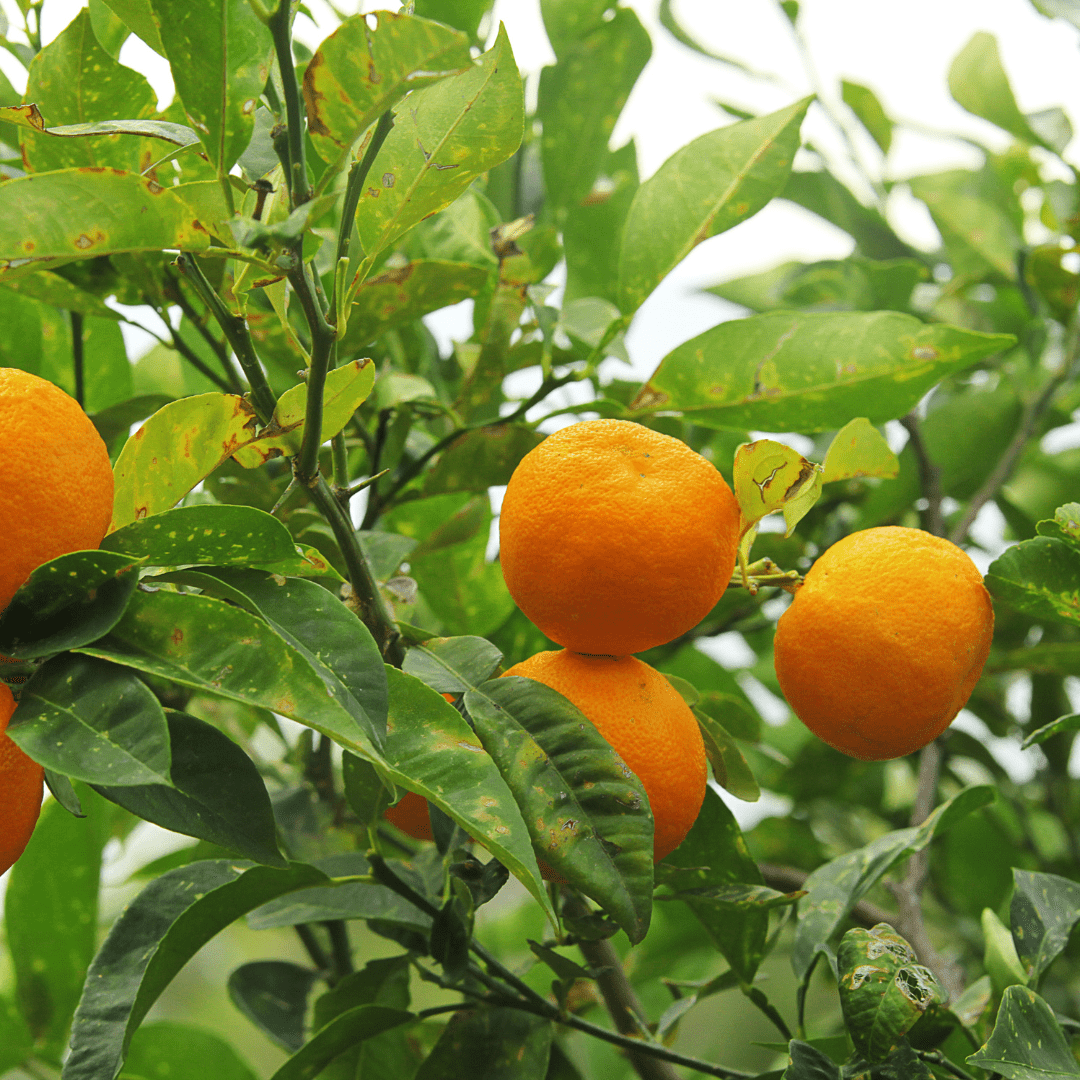
Sour Orange Tree (Citrus aurantium) is one of the most beloved ornamental trees in the Phoenix and Scottsdale landscape — and it's been a Valley staple for generations. Famous for its intoxicatingly fragrant white orange blossoms in spring and its stunning display of bright orange ornamental fruit in fall and winter, this evergreen citrus tree delivers year-round beauty with remarkably low maintenance. Drought-tolerant, pool-friendly, and pet-safe, the Sour Orange is a perfect evergreen accent for Chandler, Mesa, Gilbert, and Peoria homeowners seeking timeless Arizona landscape character.
Sour Orange Tree Plant Details
| Attribute | Detail |
|---|---|
| Scientific Name | Citrus aurantium |
| Common Names | Sour Orange Tree, Seville Orange, Bitter Orange, Bigarade Orange |
| Mature Height | 15–30 feet |
| Mature Width | 15–25 feet |
| Growth Rate | Moderate — 1–2 feet per year in Phoenix |
| Sun | Full sun (6+ hrs). Thrives in Phoenix's intense heat with good irrigation. |
| Water | Low to moderate once established. Deep water every 2–3 weeks in summer. |
| USDA Zones | 9–11 (Phoenix is Zone 9b–10a — ideal climate) |
| Soil | Well-draining. Adapts to Arizona caliche soils with good bed preparation. |
| Foliage | Evergreen — glossy deep-green leaves year-round |
| Bloom Color | White, intensely fragrant orange blossoms (spring) |
| Fruit | Bright ornamental orange fruit (fall–winter); sour/bitter flesh, aromatic peel |
Sour Orange Tree Uses in Phoenix Landscapes
Ornamental Accent and Focal Point
Few trees rival Sour Orange for year-round ornamental impact in Phoenix landscapes. Its glossy evergreen canopy stays dense and full through every season. In spring, the tree erupts in clusters of small white orange blossoms — among the most fragrant flowers in the entire plant kingdom — filling the surrounding area with a perfume that signals the arrival of Arizona's best season. In fall and winter, the bright orange fruit creates a stunning contrast against the glossy green leaves, turning the tree into a focal point through the coldest months of the year.
Phoenix Street Tree and Driveway Lining
The Sour Orange is one of the most historically significant street trees in the Phoenix Valley — the iconic rows of Sour Oranges along many Scottsdale and Phoenix boulevards are a defining feature of the city's character. Its naturally rounded canopy, evergreen density, and ornamental fruit make it perfect for formal allées and driveway linings. For a classic Valley look, plant 15–20 feet apart along a driveway or street frontage. A 40-foot driveway needs 3 trees; a 60-foot run needs 4–5.
Pool-Friendly Evergreen Shade
Sour Orange is one of the best evergreen shade trees for pool-adjacent planting in Phoenix. Its non-invasive root system, clean evergreen canopy, and minimal litter outside of brief bloom and fruit seasons make it an excellent choice for shading pool decks and outdoor living areas in Mesa and Gilbert. Plant 15–20 feet from the pool edge so the canopy provides afternoon shade without dropping significant debris into the water. The spring orange blossom fragrance near pool areas is an unmatched amenity.
Low-Maintenance Evergreen Privacy Screen
With its dense, full canopy and ultimate height of 15–30 feet, Sour Orange can serve as a high privacy screen when planted in a row. Space plants 10–12 feet apart for a full privacy hedge that reaches 15+ feet tall within 5–7 years. Its evergreen habit means year-round coverage — no bare winter gaps like deciduous alternatives. Pair with Mexican Bird of Paradise or Bougainvillea along the base for a layered color border underneath the canopy.
Best Time to Plant Sour Orange Tree in Phoenix
Fall planting (October–November) is ideal. Warm soil encourages root establishment while cooler air temperatures reduce transplant stress. A fall-planted Sour Orange gets a full growing season before facing its first Phoenix summer, dramatically improving long-term vigor and fruit production. Spring planting (February–April) is a solid second option. Avoid summer planting when possible — the intense heat demands daily irrigation and significantly increases transplant stress.
How to Plant Sour Orange Tree
- Dig wide, not deep — Excavate 2–3x the root ball's width at the same depth as the container.
- Check for caliche — Break through any hardpan layer to ensure water drains freely below the root zone.
- Backfill with native soil — A light 20% organic blend is acceptable; avoid heavy moisture-retaining soil mixes that can cause root rot.
- Spacing — 15–20 feet as a specimen or street tree; 10–12 feet apart for privacy hedging.
- Water basin — Build a 3–4 inch earthen berm around the drip line to hold irrigation water at the root zone.
- Mulch — Apply 2–3 inches of bark or decomposed granite mulch (keep away from trunk) to retain moisture and regulate soil temperature.
Watering Sour Orange Tree in Phoenix
First Year Watering Schedule
Weeks 1–2: Water every 1–2 days, deep and slow (20–30 minutes). Months 1–2: Every 3–4 days. Months 3–6: Every 7–10 days (every 5–7 days in peak summer). After Year 1: Every 10–14 days in summer; every 3–4 weeks in winter. Established Sour Orange trees are quite drought-tolerant but produce better fruit and denser canopies with regular deep summer irrigation.
Drip Irrigation
Install 2–4 GPH emitters placed 18–24 inches from the trunk during establishment, moving outward as the tree matures. For established trees, one thorough watering at the drip line every 10–14 days in summer promotes healthy fruiting. In Phoenix winters, natural rainfall is usually sufficient for established Sour Orange trees.
Is Sour Orange fruit edible?
Yes — though the flesh is very sour and bitter, making it unsuitable for fresh eating. Sour Orange fruit is prized for making marmalade, liqueurs (Grand Marnier is made with Seville/Sour Orange peel), and aromatic essential oils. The dried peel is also used in traditional cooking and herbal preparations. The primary garden value is ornamental — the bright orange fruit is spectacularly showy in fall and winter.
When does Sour Orange Tree bloom in Phoenix?
In Phoenix, Sour Orange typically blooms in late February through April. The white orange blossom flowers are among the most intensely fragrant flowers in any plant — a signature scent of Arizona spring. Bloom timing varies slightly by year and temperature, but established trees reliably bloom each year.
Is Sour Orange drought tolerant once established?
Yes — established Sour Orange trees are fairly drought-tolerant for a citrus species. Unlike sweet oranges and lemons that require regular irrigation for fruit production, Sour Orange can handle less frequent watering once its root system is established after year 1. In Phoenix, deep watering every 2–3 weeks in summer is sufficient for a healthy established tree.
Can I plant Sour Orange near a pool?
Yes — Sour Orange is an excellent pool-side tree. Its root system is non-invasive, its canopy is evergreen and relatively clean, and the spring orange blossom fragrance near a pool is spectacular. Plant 15–20 feet from the pool edge for best results with minimal debris concerns.
Is Sour Orange Tree pet friendly?
Yes — Sour Orange Tree is generally considered non-toxic and pet-friendly, making it one of the safer ornamental fruit trees for households with dogs and cats. As always, prevent pets from consuming large quantities of citrus fruit or peel, which can cause mild digestive upset.
You May Also Like
Cocktail Citrus Tree — Grow lemons, oranges, and more on a single multi-grafted tree; perfect for smaller Phoenix yards where Sour Orange's size may be too large.
Lemon Bottle Brush Tree — A year-round red-blooming evergreen accent tree; pairs beautifully alongside Sour Orange for a fragrant, colorful Arizona landscape.
Crape Myrtle Tree — Phoenix's most popular summer-blooming shade tree; excellent companion to Sour Orange for combined spring and summer color impact.
Desert Willow — A fast-growing Arizona native with trumpet blooms; provides contrasting deciduous texture alongside Sour Orange's evergreen canopy.
How Many Sour Orange Trees Do I Need?
Sour Orange is a broad evergreen that matures 15 to 25 feet wide, so it works as a single specimen, a formal driveway allee, or a tall privacy screen. Use 18 foot spacing for an open canopy row, or tighten to 12 feet for a solid screen.
| Run Length | Specimen Row (18 ft) | Privacy Screen (12 ft) |
|---|---|---|
| 24 ft | 2 trees | 2 to 3 trees |
| 48 ft | 3 trees | 4 trees |
| 72 ft | 4 to 5 trees | 6 trees |
As a single focal specimen, give it 12 to 15 feet of clearance from walls and structures, and 15 to 20 feet from a pool edge for the cleanest deck.
Sour Orange Tree Season-by-Season in Phoenix
- Spring (Feb to Apr): The signature event: clouds of intensely fragrant white blossoms that draw bees and perfume the whole yard. New growth flushes and this is a strong second planting window.
- Summer (May to Sep): Heat-loving and reflected-heat tolerant. The dense evergreen canopy holds full through the hottest months, casting clean pool-side shade on a light water schedule.
- Fall (Oct to Nov): Prime planting season. Fruit colors up to bright orange against the glossy leaves.
- Winter (Dec to Jan): The ornamental orange fruit holds and glows through the cool months on an evergreen frame. Honest frost note: Sour Orange is among the more cold-hardy citrus, with mature trees tolerating brief dips near 26°F; protect young trees with frost cloth below 32°F.
At a Glance
✔ Edible ✔ Evergreen ✔ Heat-Loving (Reflected-Heat Tolerant) ✔ Drought-Tolerant ✔ Pool-Friendly (Low-Litter) ✔ Pollinator-Friendly ✔ Shade-Providing ✔ Low-Maintenance ✔ Cold-Hardy to 26°F
Plant It With
- Cocktail Citrus: a multi-grafted citrus for smaller spots where a full Sour Orange would be too large.
- Navel Orange: a sweet evergreen orange to add edible fruit alongside the ornamental Sour Orange.
- Meyer Lemon: rounds out a fragrant home citrus collection with year-round lemons.
- Texas Sage: a drought-tough flowering shrub that makes a colorful low border beneath the canopy.
Is Sour Orange Tree Right for Your Yard?
Sour Orange thrives in full sun with reflected heat, in well-draining soil where any caliche has been opened up, and asks for only modest water once established, which makes it a standout pool-side and street tree. It is not a fit if you want fruit for fresh eating, since the flesh is sour and bitter, or if your space cannot accommodate a wide 15 to 25 foot evergreen canopy.
Customer Reviews
Good size - should be taller than the wall by next year. And deep rich green and viscious thorns make for attractive security.
Share