

Soaptree Yucca
Soaptree Yucca
Couldn't load pickup availability
Arizona's Iconic Desert Yucca — Tall, Tough, and Unforgettable
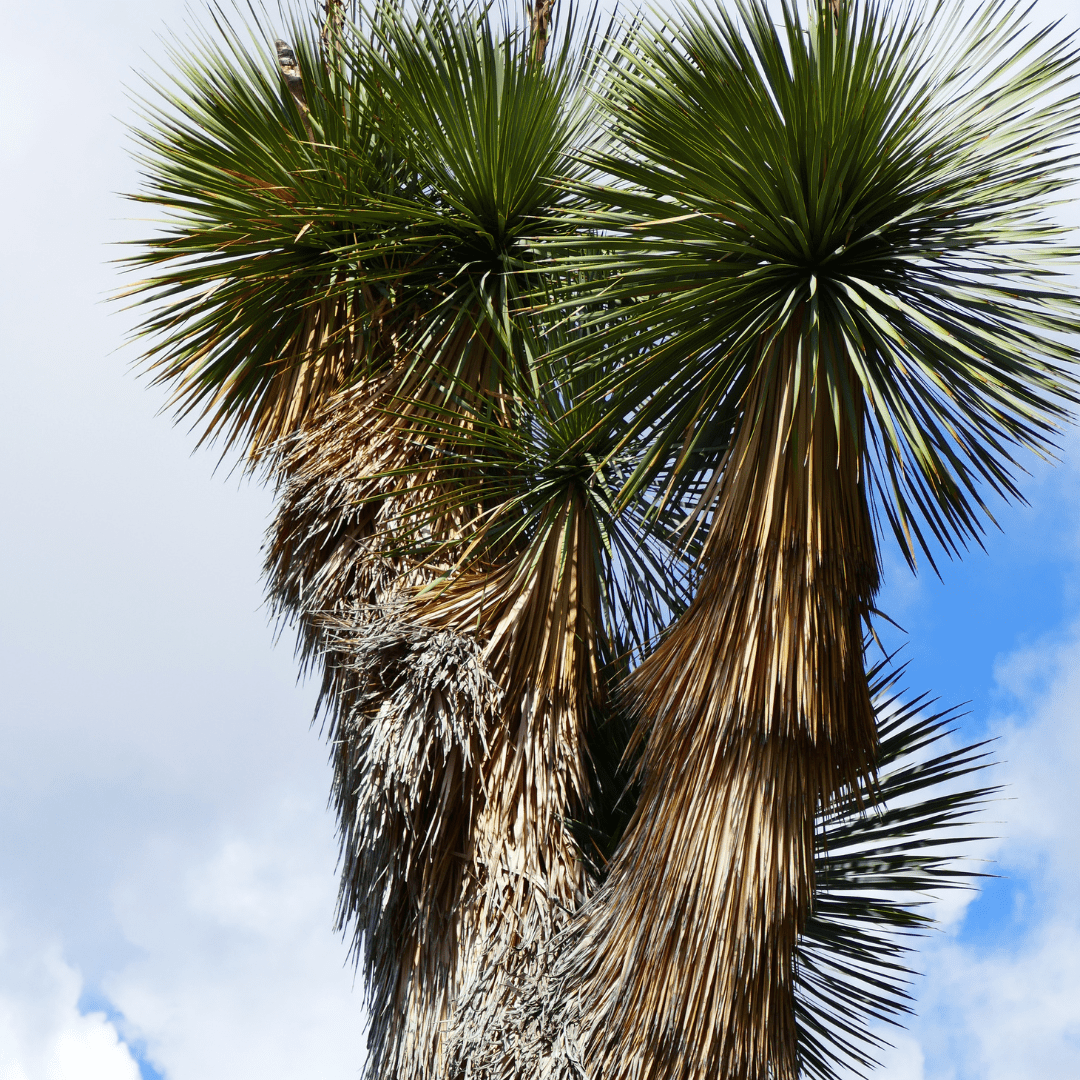
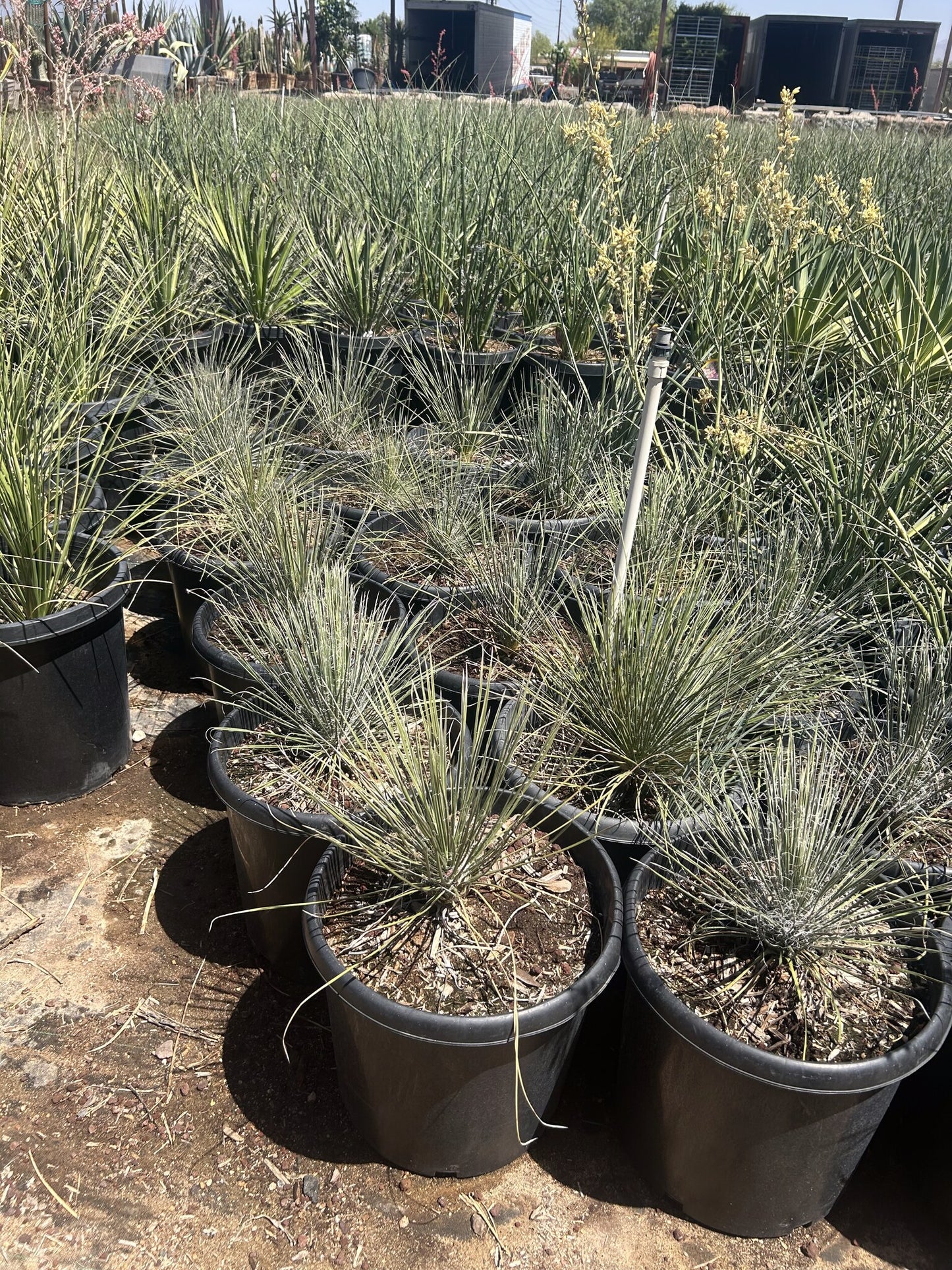
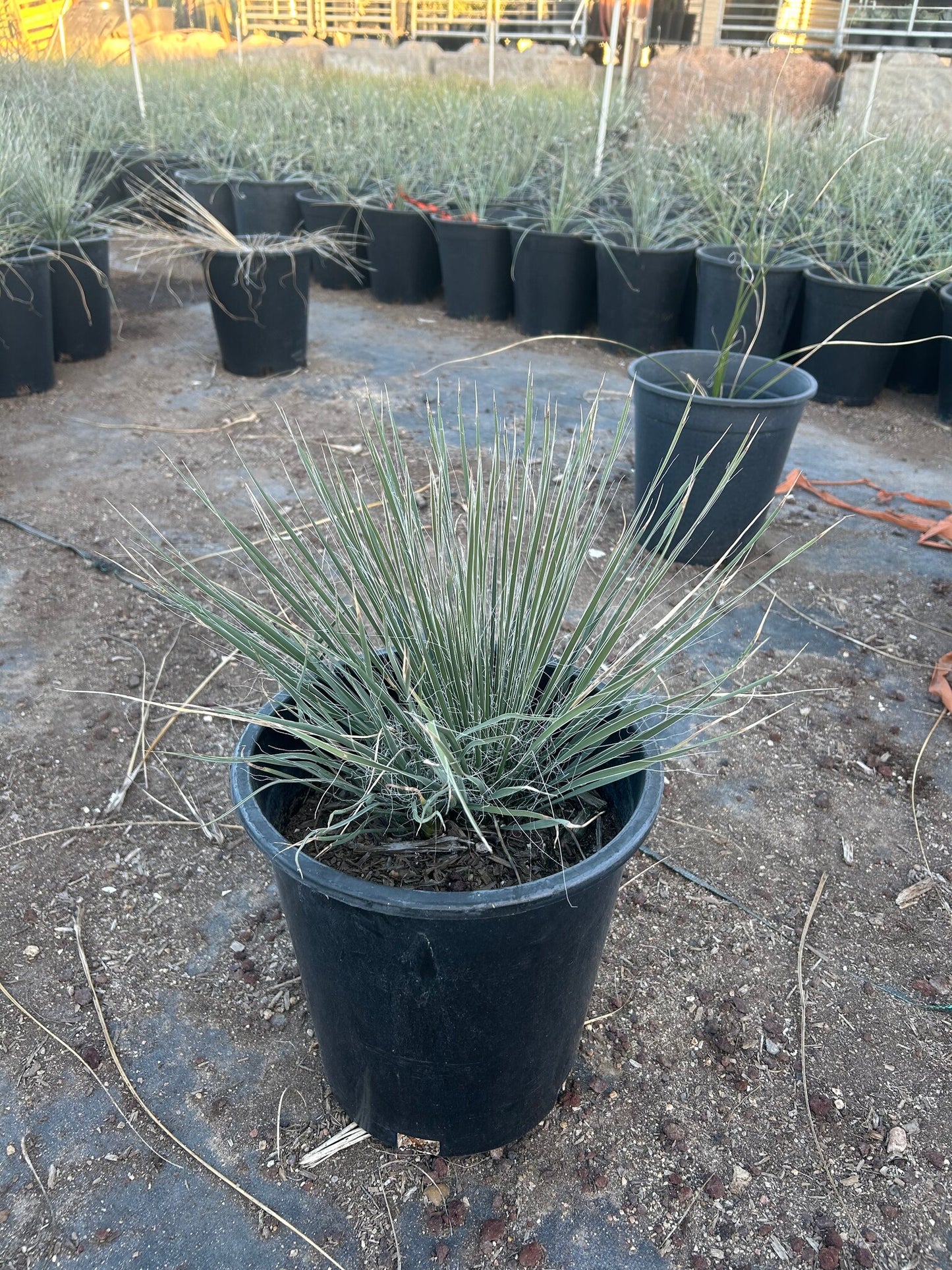
Soaptree Yucca (Yucca elata) is one of the most recognizable native desert plants in the American Southwest. Its tall, trunk-forming silhouette topped with a crown of narrow, grass-like leaves is a defining feature of the Sonoran and Chihuahuan Desert landscapes. In late spring, a spectacular stalk of creamy white bell-shaped flowers rises several feet above the foliage, creating a show that stops traffic. Perfectly adapted to Phoenix's extreme heat, poor soils, and low rainfall, Soaptree Yucca is the ultimate no-maintenance desert accent. Whether you need a vertical focal point in a Scottsdale xeriscape, a native specimen in a Chandler desert garden, or a dramatic statement along a Mesa property line — Soaptree Yucca delivers authentic desert character.
Soaptree Yucca Plant Details
| Attribute | Detail |
|---|---|
| Scientific Name | Yucca elata |
| Common Names | Soaptree Yucca, Soap Yucca, Palmella |
| Mature Height | 6–15 feet (with trunk) |
| Mature Width | 4–6 feet |
| Growth Rate | Slow to Moderate — 6–12 inches per year in Phoenix |
| Sun | Full sun (6+ hrs). Handles reflected heat from walls and pavement. |
| Water | Very low once established. Extremely drought-tolerant. |
| USDA Zones | 6–11 (Phoenix is Zone 9b–10a) |
| Soil | Well-draining. Thrives in Arizona caliche, rocky, and sandy soils. |
| Foliage | Evergreen — narrow, grass-like blue-green leaves in a crown |
| Bloom | Creamy white bell-shaped flowers on tall stalk in late spring |
Soaptree Yucca Uses in Phoenix Landscapes
Vertical Desert Focal Point
Soaptree Yucca's tall, trunk-forming habit provides vertical drama that few other desert plants can match. Use it as a standalone specimen near entryways, in courtyard centers, or at property corners for an iconic desert silhouette. Its narrow profile fits tight spaces where broader trees won't work.
Native Desert Garden
For an authentic Sonoran Desert feel, plant Soaptree Yucca alongside Palo Verde, Ocotillo, Desert Spoon, and barrel cacti. This creates a natural desert palette that's both ecologically appropriate and visually stunning in Gilbert, Tempe, and Peoria.
Commercial & Municipal Landscapes
Soaptree Yucca is a staple in commercial desert landscaping throughout the Phoenix Valley. Its zero-water needs, zero-pruning habit, and dramatic form make it ideal for medians, parking lot islands, and commercial frontage where maintenance budgets are tight.
Best Time to Plant Soaptree Yucca in Phoenix
Fall (October–November) or spring (March–April) are ideal. Both seasons offer warm soil for root establishment and moderate temperatures. Summer planting works too — yuccas handle extreme heat — but water more frequently during the first few weeks to reduce transplant stress.
How to Plant Soaptree Yucca
- Dig wide, not deep — 2–3x the root ball width, same depth.
- Check for caliche — break through any hardpan layer for drainage (critical for yuccas).
- Backfill with native soil only — yuccas prefer lean, unamended soil.
- Spacing — 6–8 feet apart for groupings; standalone specimens need 6+ feet clearance.
- Water basin — a shallow ring for establishment watering only.
- Mulch — 2–3 inches of gravel or decomposed granite (avoid bark mulch).
Watering Soaptree Yucca in Phoenix
First Year Watering Schedule
- Weeks 1–2: Every 5–7 days, deep soak
- Month 1–3: Every 10–14 days
- Month 3–12: Every 2–3 weeks
- After Year 1: Monthly in summer; no supplemental water needed in winter
Drip Irrigation
Place one 2-GPH emitter 18–24 inches from the trunk. Established Soaptree Yucca needs almost no supplemental water — it's fully adapted to survive on natural rainfall. Overwatering causes trunk rot.
How tall does Soaptree Yucca get in Phoenix?
Mature specimens reach 6–15 feet with a visible trunk. Growth is slow, so larger nursery sizes (15–25 gallon) give you an instant established look.
Is Soaptree Yucca native to Arizona?
Yes. It's native to the Sonoran and Chihuahuan Deserts of Arizona, New Mexico, Texas, and northern Mexico. It's perfectly adapted to Phoenix's climate.
When does Soaptree Yucca bloom?
Late spring (April–June in Phoenix). A tall flower stalk emerges from the leaf crown bearing clusters of creamy white, bell-shaped flowers. The bloom display is spectacular and attracts yucca moths for pollination.
Does Soaptree Yucca need pruning?
No. Remove dead lower leaves if desired for a cleaner trunk appearance, but no structural pruning is needed. The natural form is part of its appeal.
You May Also Like
- Spanish Bayonet — Bold, trunk-forming yucca with rigid sword-like leaves.
- Spanish Dagger — Classic desert yucca with dramatic rosette form.
- Desert Spoon — Silvery-blue rosette for architectural desert accents.
- Soft Leaf Yucca — Graceful yucca with flexible, non-spiny foliage.
How Many Soaptree Yucca Do I Need?
Soaptree Yucca is a vertical specimen, not a hedge. Feature it singly for an iconic desert silhouette, or set it in odd-numbered groups with staggered heights. With a mature width of 4 to 6 feet, space plants 6 to 8 feet apart so each crown and flower stalk stands clear.
| Planting Goal | Spacing | What It Looks Like |
|---|---|---|
| Single focal point | 1 plant | Vertical accent at an entry, corner, or courtyard |
| Natural grouping | 3 plants, 6 to 8 ft apart | Staggered trunk heights for a desert-garden look |
| Statement grove | 5 plants, 6 to 8 ft apart | Median or frontage massing |
Allow at least 6 feet of clearance from walls and walkways for the mature crown.
Soaptree Yucca Season-by-Season in Phoenix
- Spring (Feb to Apr): Growth resumes and a tall creamy-white flower stalk rises in late spring, drawing yucca moths. Strong planting window.
- Summer (May to Sep): Fully heat-adapted, thriving in full sun and reflected heat with almost no water. Monsoon rain is plenty; do not overwater the trunk.
- Fall (Oct to Nov): Prime planting season. Warm soil and mild air let roots settle before winter.
- Winter (Dec to Jan): Holds its evergreen grass-like crown. As a Zone 6 native it is fully cold-hardy in the Valley and needs no frost protection.
At a Glance
✔ Arizona Native ✔ Pollinator-Friendly ✔ Heat-Loving (Reflected-Heat Tolerant) ✔ Drought-Tolerant ✔ Evergreen ✔ Low-Maintenance ✔ Fire-Wise ✔ Deer & Rabbit-Resistant ✔ Cold-Hardy to -10°F
Plant It With
- Desert Spoon: a silvery-blue rosette that grounds the tall yucca form at eye level.
- Blue Yucca: powder-blue sword foliage that echoes the native desert palette.
- Beaked Yucca: another architectural trunked yucca for a layered grouping.
- Mexican Tree Yucca: a larger tree-form yucca to anchor the back of a desert bed.
Is Soaptree Yucca Right for Your Yard?
Soaptree Yucca is ideal for full-sun, low-water desert gardens, medians, and tight vertical spots with caliche, rocky, or sandy soil, where its trunk and flower stalk give authentic Sonoran character on essentially no irrigation. It is not a fit for shaded or regularly irrigated beds, where the trunk can rot, or right against walkways and pools, since old leaves shed and the crown wants room.
Share