

Sandpaper Verbena
Sandpaper Verbena
Couldn't load pickup availability
Arizona's Most Colorful Ground Cover — Sandpaper Verbena for Phoenix Landscapes
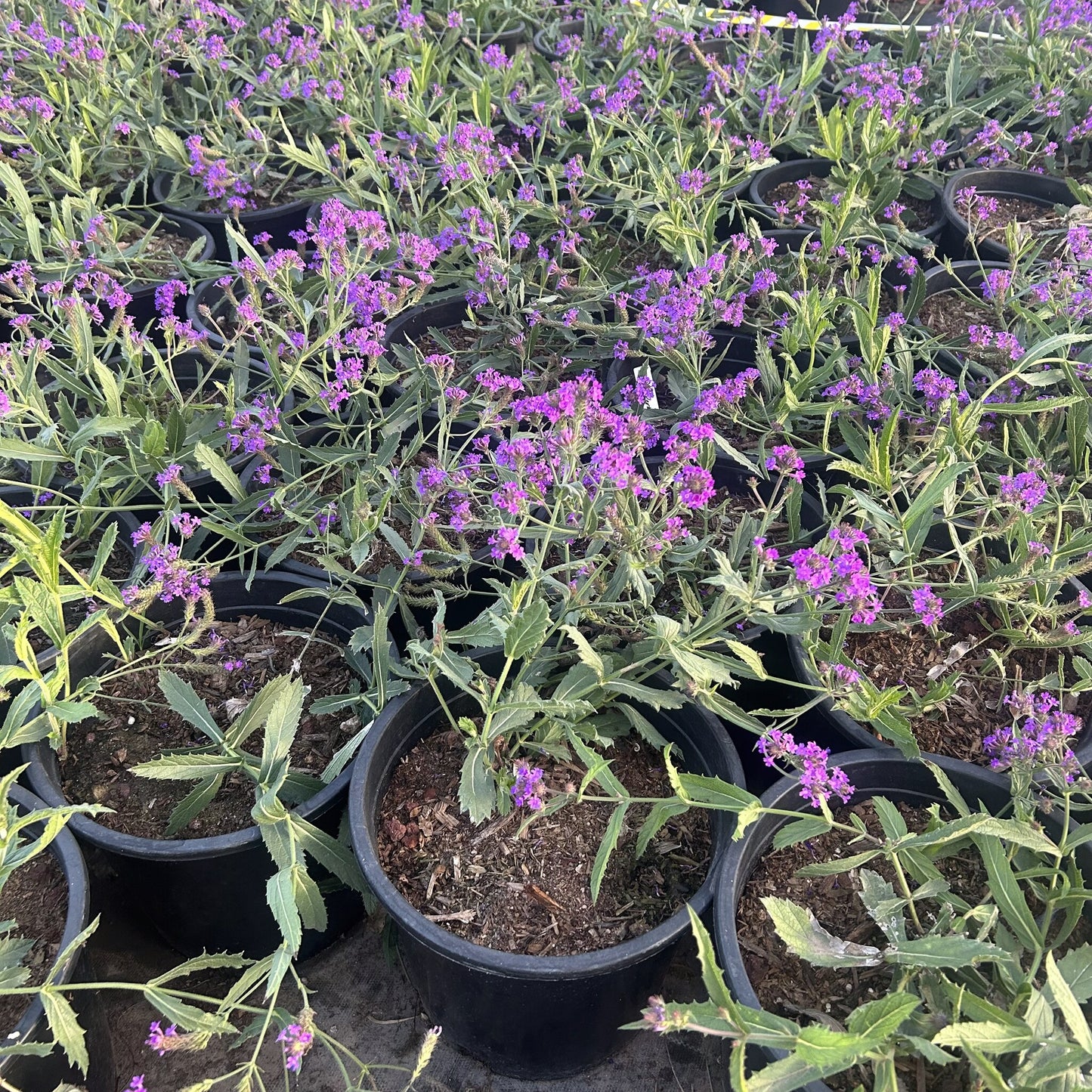
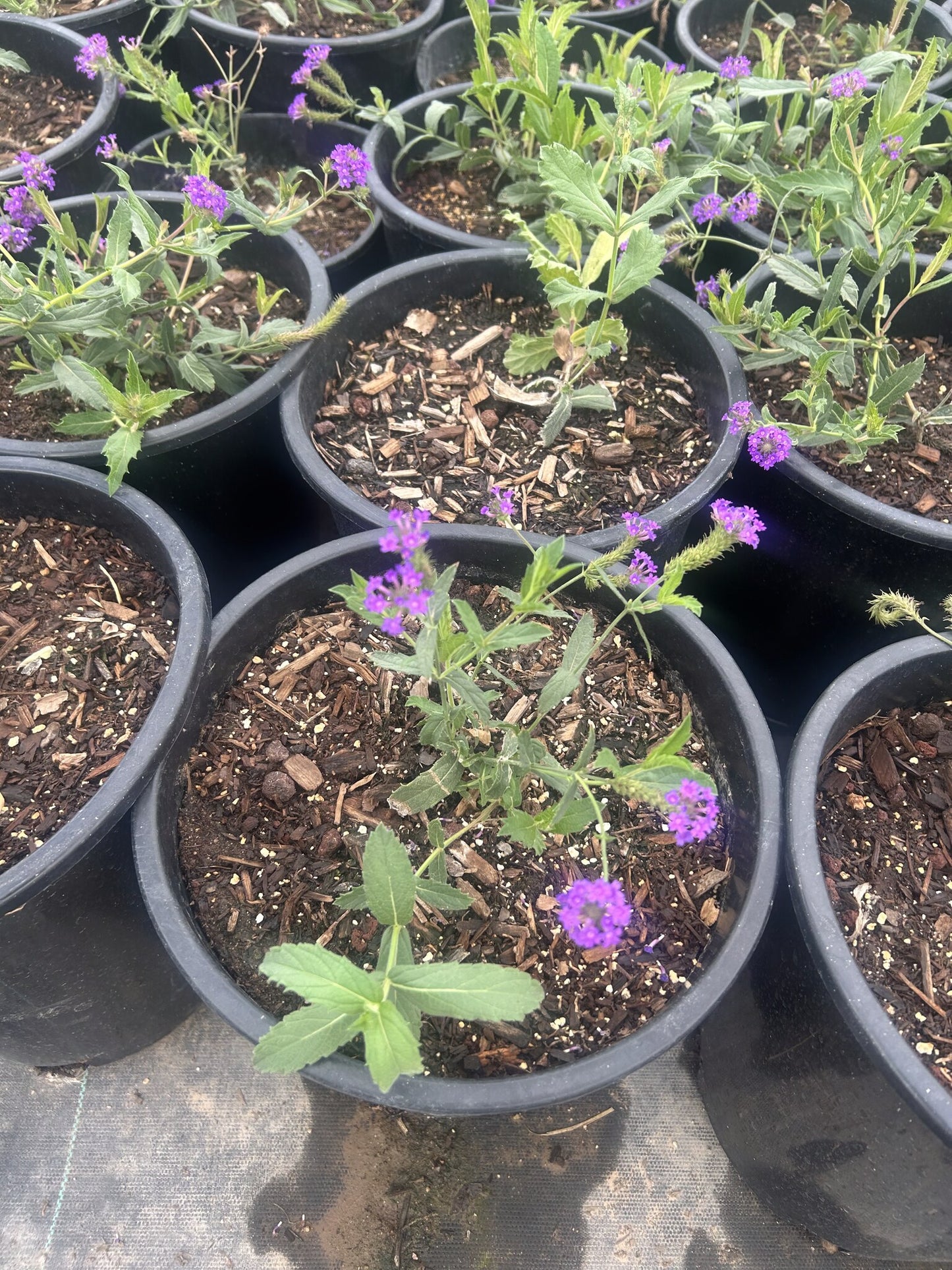
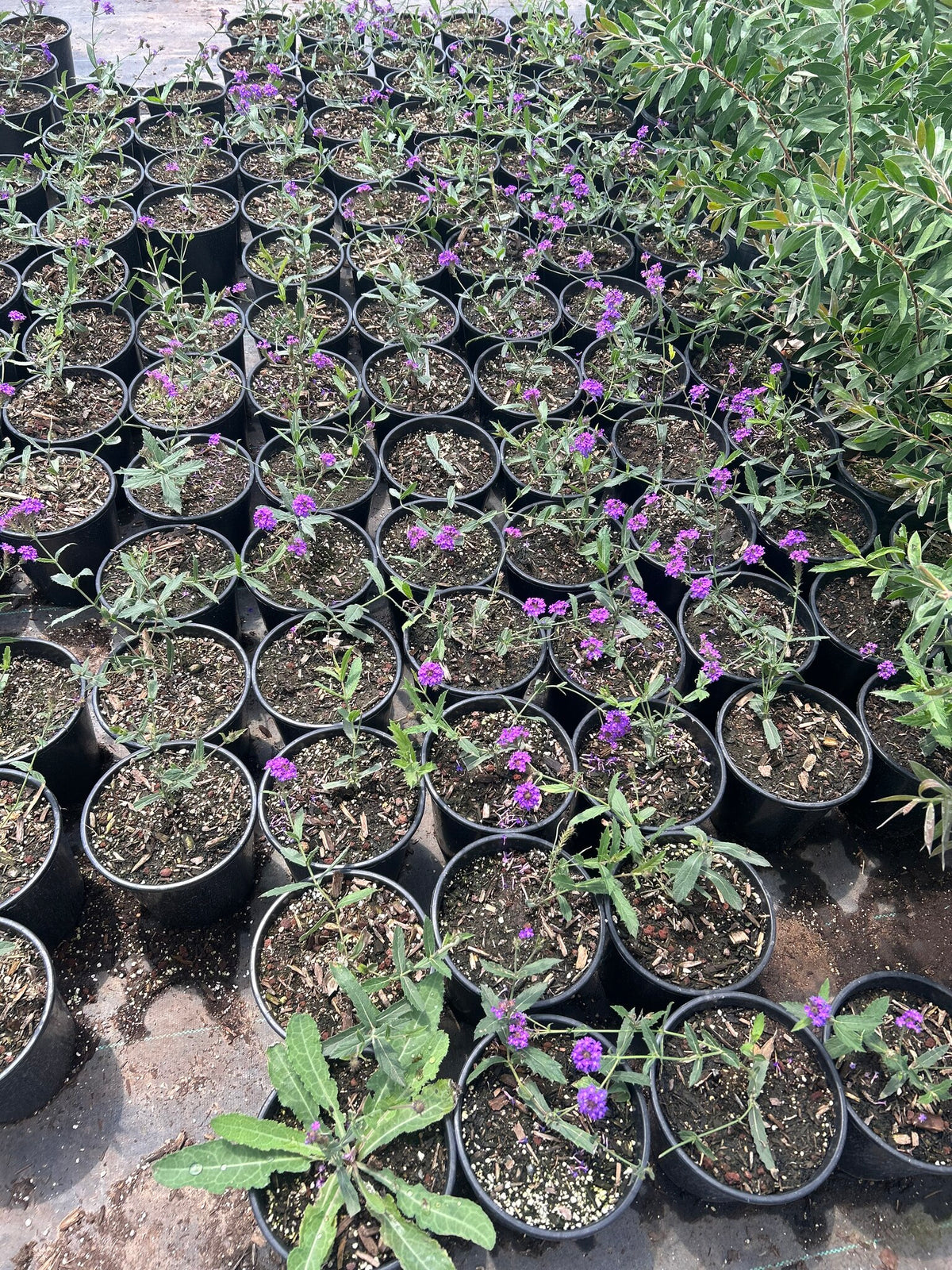
Sandpaper Verbena (Verbena rigida) is one of the Phoenix Valley's most reliable season-long bloomers, blanketing the ground with vivid clusters of violet-purple flowers from spring through fall. This tough, low-growing perennial spreads 2–3 feet wide, filling gaps in borders, slopes, and garden beds with relentless color and minimal care. Heat-tolerant, drought-resistant, and pet-friendly, Sandpaper Verbena thrives where other flowering ground covers give up. Whether you're covering a hot slope in Scottsdale, brightening a front border in Chandler, or adding a pollinator magnet in Gilbert — Sandpaper Verbena brings the color without the water bill.
Sandpaper Verbena Plant Details
| Attribute | Detail |
|---|---|
| Scientific Name | Verbena rigida |
| Common Names | Sandpaper Verbena, Rigid Verbena, Veined Verbena |
| Mature Height | 12–18 inches |
| Mature Width | 2–3 feet |
| Growth Rate | Moderate — spreads 6–12 inches per year in Phoenix |
| Sun | Full sun (6+ hrs). Handles reflected heat from walls and pavers. |
| Water | Low once established. Highly drought-tolerant. |
| USDA Zones | 7–11 (Phoenix is Zone 9b–10a) |
| Soil | Well-draining. Adapts to Arizona caliche soils. |
| Foliage | Semi-evergreen — may die back in hard frost, returns in spring |
| Bloom Color | Vivid violet-purple clusters, spring through fall |
| Pet Friendly | Yes — non-toxic to dogs and cats |
Sandpaper Verbena Uses in Phoenix Landscapes
Bold Color Ground Cover
Sandpaper Verbena earns its place as a go-to flowering ground cover in Phoenix for one simple reason: it blooms non-stop all season without demanding much in return. The vivid violet-purple flower clusters pop against gravel and decomposed granite, making it a standout in modern desert landscapes and traditional Southwest gardens alike. Plant 2 feet apart for full coverage: a 10 ft. strip needs about 5 plants; a 20 ft. border needs about 10.
Slope and Erosion Control
The spreading, fibrous root system of Sandpaper Verbena makes it an excellent choice for stabilizing slopes and hillsides throughout the Phoenix Valley. Its low growth habit hugs terrain without blocking sightlines, and its tolerance for reflected heat makes it ideal for south and west-facing slopes that bake in summer sun. Pair with Desert Marigold or Trailing Rosemary for a layered, colorful slope planting.
Butterfly and Pollinator Garden
Few plants in the Phoenix Valley attract pollinators as effectively as Sandpaper Verbena. The dense flower clusters are a magnet for butterflies, skippers, and native bees throughout the blooming season. Plant it alongside Ruellia, Salvia, or Texas Sage to create a continuous nectar source that keeps pollinators visiting from spring to frost. Its pet-friendly nature makes it equally at home in family-friendly gardens.
Modern Desert Border Plant
Sandpaper Verbena works beautifully as a low-edge plant along walkways, driveways, and planting bed borders in Peoria, Mesa, and Tempe neighborhoods. Its compact, spreading form stays tidy without heavy pruning, and the bold purple color pairs elegantly with blue-green agaves, silver-leaved brittlebush, and golden-flowered Goldeneye shrubs for a palette-forward Southwest design.
Best Time to Plant Sandpaper Verbena in Phoenix
Fall (October–November) is the ideal planting window. Warm soil encourages root development while cooler air reduces transplant stress, giving plants 6–8 months to establish before their first Phoenix summer. Spring planting (February–April) works well too, especially when supplemented with more frequent watering through the first summer. Avoid planting in summer — extreme heat stress makes establishment difficult and increases the risk of plant loss.
How to Plant Sandpaper Verbena
- Dig wide, not deep — excavate a hole 2–3x the width of the root ball at the same depth.
- Check for caliche — break through any hardpan layer with a breaker bar to ensure proper drainage.
- Backfill with native soil — a light blend of 80% native soil and 20% compost is fine; avoid heavy amendment.
- Spacing — plant 18–24 inches apart for ground cover use; 24–30 inches for border plants.
- Water basin — build a 3–4 inch ring of soil around the plant to direct irrigation water to the roots.
- Mulch — apply 2–3 inches of gravel or bark mulch over the root zone to conserve moisture and suppress weeds.
Watering Sandpaper Verbena in Phoenix
First Year Watering Schedule
Weeks 1–2: Water every 1–2 days, deeply and slowly (20–30 minutes). Month 1–2: Reduce to every 3–4 days. Month 3–6: Water every 7–10 days (5–7 days during peak summer heat). After Year 1: Water every 10–14 days in summer; every 3–4 weeks in winter. Once established, Sandpaper Verbena is remarkably drought-tolerant and rarely needs supplemental irrigation beyond monsoon rains.
Drip Irrigation
Place drip emitters 12–18 inches from the plant's crown, using 1 GPH emitters for the first year. Once established, reduce run times significantly — overwatering is the most common mistake with Sandpaper Verbena and leads to root rot. In a well-designed drip system, mature plants can thrive on 1–2 drip cycles per week in summer and once every 2–3 weeks in cooler months.
How fast does Sandpaper Verbena spread?
In Phoenix, expect moderate spreading of 6–12 inches per year in well-draining soil with regular watering during the first season. Once established, it fills in faster as the root system extends.
Is Sandpaper Verbena deer resistant?
Yes — Sandpaper Verbena is generally deer resistant due to its aromatic, rough-textured foliage. While no plant is deer-proof in severe drought conditions, it's a reliable choice for properties on the outskirts of the Phoenix Valley where deer pressure is a concern.
Does it come back every year in Phoenix?
Yes! Sandpaper Verbena is a perennial that returns reliably each spring in the Phoenix Valley. It may die back to the roots in a hard frost, but Zone 9b–10a rarely sees temperatures low enough to kill established plants. Cut back any frost-damaged stems in late February and new growth emerges quickly.
Is Sandpaper Verbena safe for pets?
Yes — Verbena rigida is non-toxic to dogs and cats, making it a great choice for pet-friendly gardens in Scottsdale, Mesa, and the broader Phoenix Valley.
Can Sandpaper Verbena handle Phoenix's reflected heat?
Absolutely. Sandpaper Verbena tolerates intense summer heat, including the reflected heat radiating off walls, pavers, and decomposed granite. It's one of the few flowering perennials that actually thrives in these conditions, making it ideal for south- and west-facing planting beds.
You May Also Like
Trailing Rosemary — A fragrant, cascading herb that doubles as an ornamental ground cover with blue flowers in winter and spring.
Confetti Lantana — A heat-loving spreading shrub with multicolor blooms that draws butterflies all season long.
Hacienda Creeper — A vigorous, climbing vine with bold color that covers fences and walls in the Phoenix Valley with minimal care.
Hearts & Flowers — A fast-spreading succulent ground cover with bright pink blooms perfect for full-sun areas in Tempe, Peoria, and Glendale.
Goldeneye — A native Arizona wildflower shrub with golden-yellow daisy blooms that pairs beautifully with Sandpaper Verbena in desert garden designs.
How Many Sandpaper Verbena Do I Need?
As a spreading groundcover (2 to 3 ft wide), space plants about 2 ft apart for solid coverage, which works out to roughly one plant per 4 sq ft of bed. Use the table below to estimate counts for an area.
| Area to cover | Plants needed (2 ft spacing) |
|---|---|
| 25 sq ft | 6 plants |
| 50 sq ft | 12 plants |
| 100 sq ft | 25 plants |
| 200 sq ft | 50 plants |
Sandpaper Verbena Season-by-Season in Phoenix
- Spring (Feb to Apr): Heavy flush of violet-purple bloom begins and fresh growth fills in fast. A strong second planting window, and the time to trim back any frost-damaged stems.
- Summer (May to Sep): Keeps blooming straight through peak heat, including reflected heat off walls, pavers, and granite. Monsoon rains often trigger an extra surge of flowers. Ease off the water to avoid root rot.
- Fall (Oct to Nov): Bloom continues and this is the prime planting season for fast establishment before winter.
- Winter (Dec to Jan): May die back partway in a hard frost but Zone 9b to 10a lows rarely kill established plants. Roots recover and regrow in spring, so no frost cover is needed.
At a Glance
✔ Heat-Loving (Reflected-Heat Tolerant) ✔ Drought-Tolerant ✔ Pollinator-Friendly ✔ Low-Maintenance ✔ Deer & Rabbit-Resistant ✔ Cold-Hardy to 5°F
Plant It With
- Desert Marigold: golden daisies that contrast the purple bloom in a hot, low-water slope or border.
- Purple Trailing Lantana: another tough spreading bloomer to extend color across a bed.
- Desert Ruellia: mounding purple-flowered companion that layers height behind the verbena.
- Texas Sage: silvery flowering shrub that anchors the back of a pollinator border.
Is Sandpaper Verbena Right for Your Yard?
Plant it in full sun with good drainage, including hot south- and west-facing slopes and reflected-heat beds where most flowering groundcovers fail. It is pet-safe, pollinator-rich, and blooms for most of the year. Not a fit for deep shade or soggy, poorly drained soil, where it grows leggy and is prone to root rot.
Customer Reviews
Customer Reviews
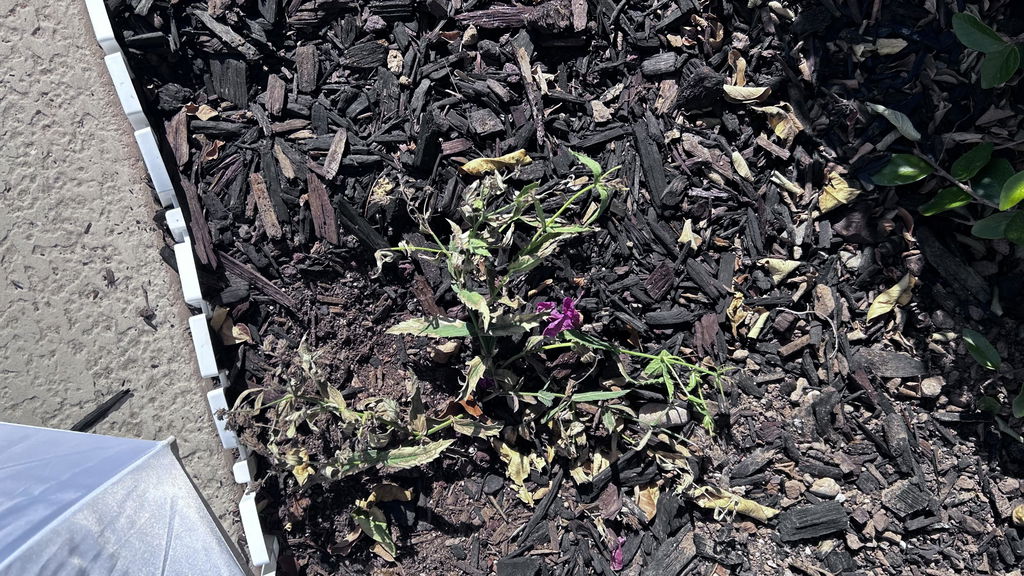
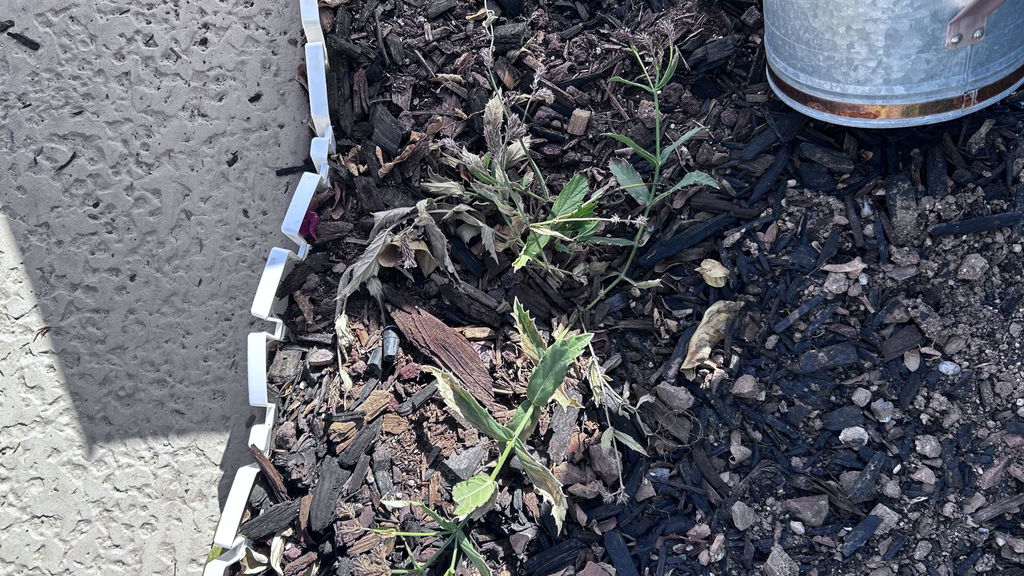
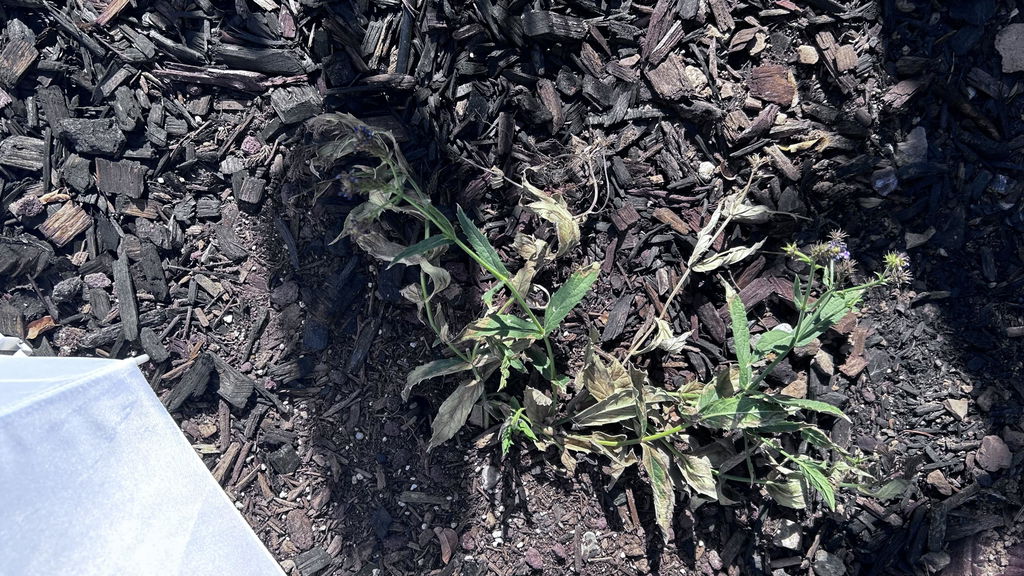
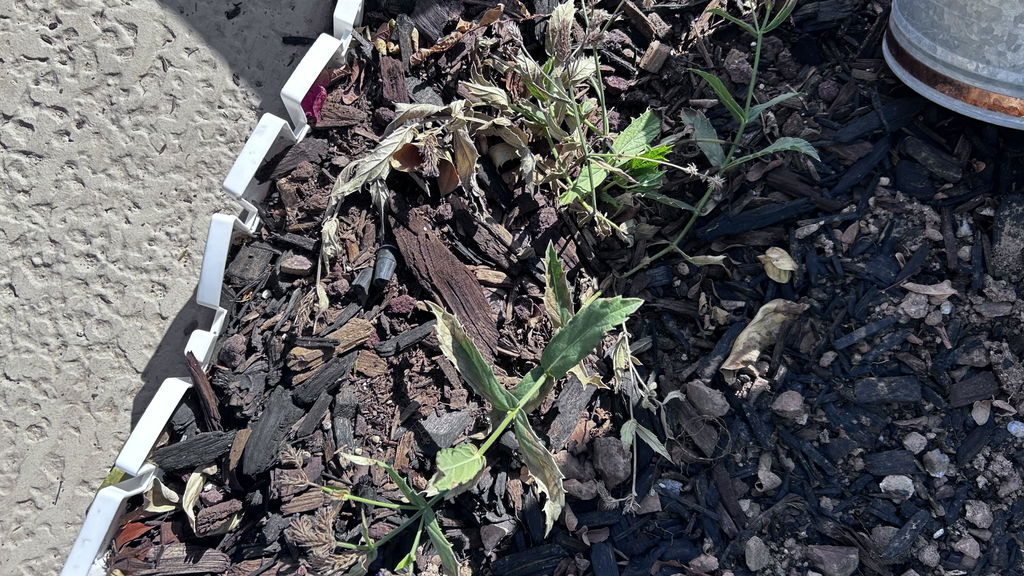
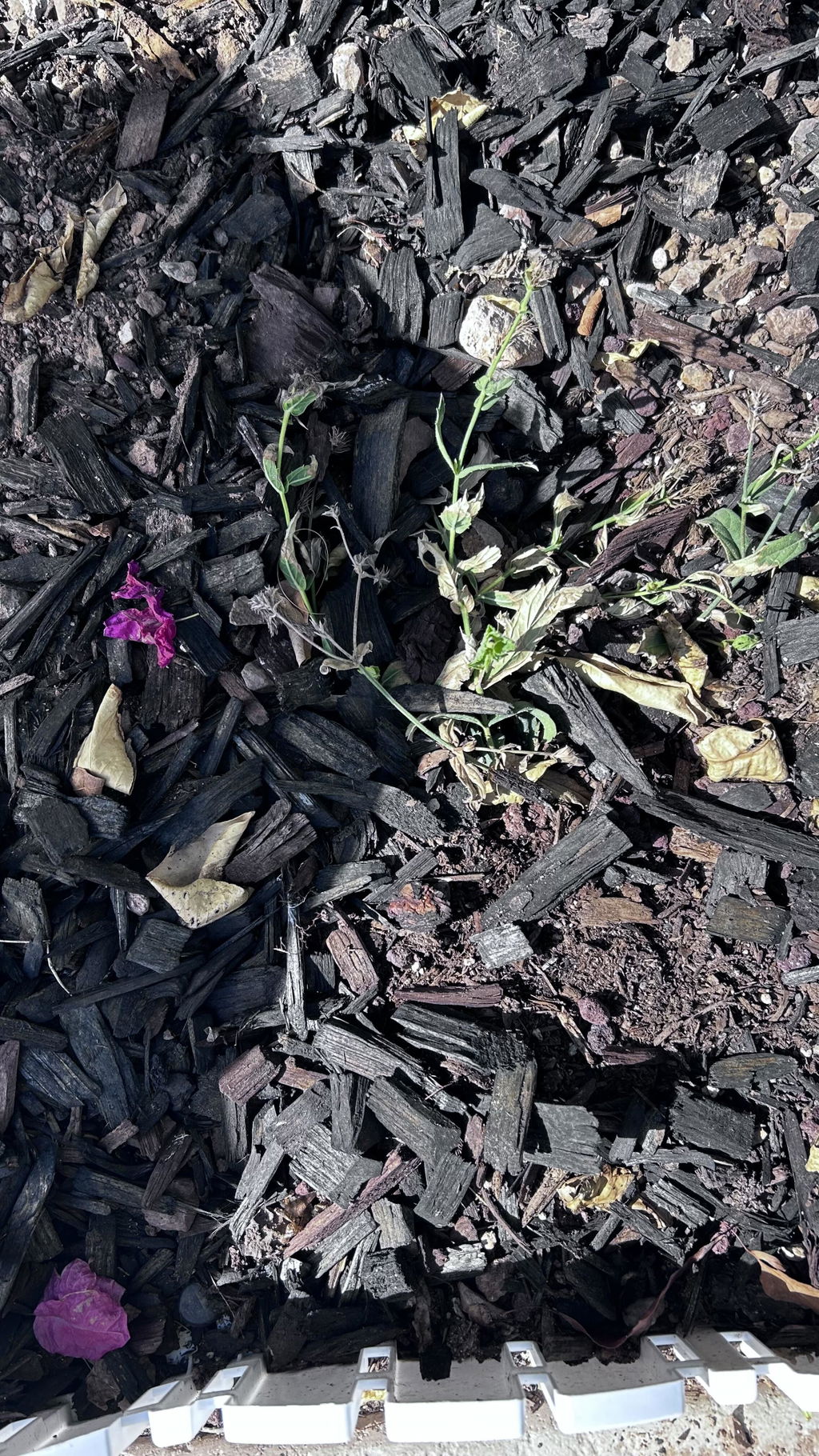
They are not doing well in full sun