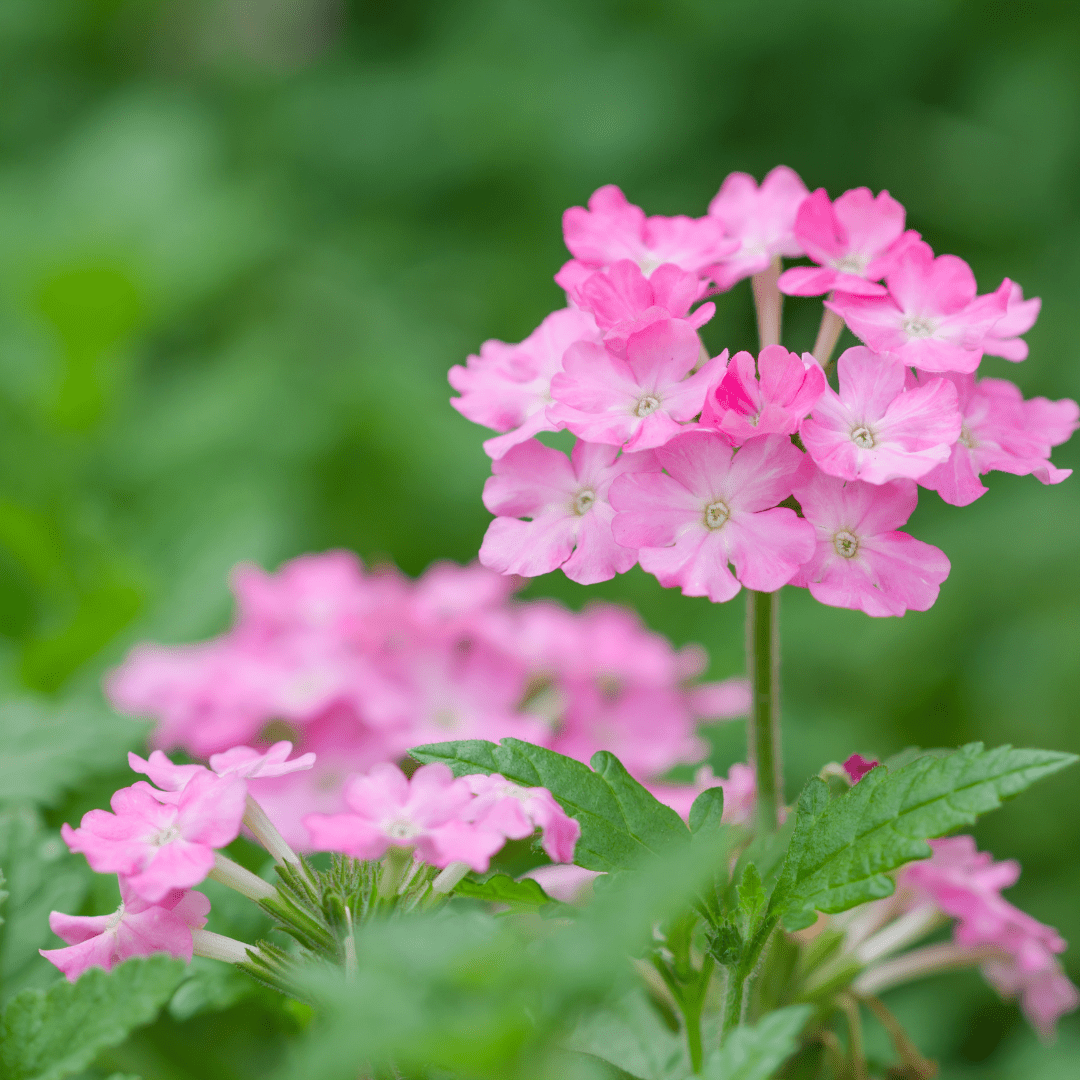


Rose/Pink Lantana
Rose/Pink Lantana
Couldn't load pickup availability
Non-Stop Pink Flowers for Your Phoenix Landscape — Rose/Pink Lantana
Rose/Pink Lantana (Lantana camara) is a vibrant, easy-care perennial that delivers non-stop pink flower clusters from spring through fall in the Phoenix Valley. Growing 2–3 feet tall and spreading 2–4 feet wide, this sun-loving shrub is one of the most reliable color producers for desert landscapes. Butterflies, hummingbirds, and bees flock to its nectar-rich blooms all season long. Perfect for Scottsdale, Chandler, Mesa, Gilbert, Tempe, and Peoria gardens where drought-tolerant beauty is a must.
Rose/Pink Lantana Plant Details
| Attribute | Detail |
|---|---|
| Scientific Name | Lantana camara |
| Common Names | Rose Lantana, Pink Lantana, Rose Pink Lantana |
| Mature Height | 2–3 feet |
| Mature Width | 2–4 feet |
| Growth Rate | Fast — fills in quickly during warm months |
| Sun | Full sun (6+ hrs). Thrives in reflected heat from walls and pavement. |
| Water | Low once established. Highly drought-tolerant. |
| USDA Zones | 8–11 (Phoenix is Zone 9b–10a) |
| Soil | Well-draining. Adapts to Arizona caliche and sandy soils. |
| Flower Color | Pink to rose pink |
| Bloom Season | Spring through fall (nearly year-round in Phoenix) |
Why Rose/Pink Lantana Thrives in Phoenix Landscapes
Lantana camara varieties are native to tropical regions of the Americas and have proven themselves as some of the toughest flowering shrubs for desert climates. Rose/Pink Lantana loves the intense heat and sun that Phoenix summers bring, producing its showiest blooms during the hottest months when many other plants struggle. Once established, it requires minimal supplemental water and continues flowering prolifically with very little care — a true set-it-and-forget-it landscape plant.
Perfect Uses for Rose/Pink Lantana
Rose/Pink Lantana is ideal as a colorful foundation planting along south- and west-facing walls where reflected heat is intense. Use as a low hedge or border along walkways, driveways, and pool fences for continuous pink color. Mass plantings create a stunning blanket of pink on slopes and embankments while providing excellent erosion control. It pairs beautifully with Red & Gold Lantana and Purple Trailing Lantana for a multi-colored lantana display. Container planting works well for patios and courtyards throughout the Valley.
How to Plant Rose/Pink Lantana in Arizona
Plant in full sun with well-draining soil. Dig a hole twice the width of the root ball and the same depth. Backfill with native soil — lantana does not need amendments. Space plants 2–3 feet apart for a full, continuous look. Water deeply after planting and apply rock or gravel mulch to conserve moisture and suppress weeds. Fall and spring are ideal planting times in Phoenix, though lantana can be planted year-round with proper watering during establishment.
How to Water Rose/Pink Lantana in Phoenix
During establishment (first 4–6 weeks), water every 2–3 days. Once roots are set, transition to deep watering once every 7–10 days in summer and every 2–3 weeks in winter. Established lantana is extremely drought-tolerant and often thrives on rainfall alone during normal monsoon years. Overwatering causes leggy growth and fewer flowers, so let the soil dry out between waterings. In containers, water when the top 2 inches of soil feel dry.
Frequently Asked Questions
Does Rose/Pink Lantana attract butterflies?
Absolutely. Lantana is one of the top butterfly plants for Arizona gardens. Painted ladies, queens, monarchs, swallowtails, and many other species are regular visitors. Hummingbirds and bees also feed heavily on the nectar-rich flower clusters.
Is Rose/Pink Lantana toxic to pets?
Lantana berries and foliage are toxic if ingested by dogs, cats, and livestock. Plant in areas where pets do not graze, and remove any green berries that form. The flowers themselves are generally not a concern for pets.
How do I prune Rose/Pink Lantana?
Cut lantana back by one-third to one-half in late February before new spring growth begins. This encourages bushier growth and more prolific blooming. Deadhead spent flower clusters throughout the season to promote continuous flowering and maintain a tidy appearance.
Will lantana survive a Phoenix winter?
Rose/Pink Lantana may experience frost damage during rare hard freezes. Cut back any damaged stems in late winter and the plant will regrow vigorously from the roots once warm weather returns. In most Phoenix winters, lantana retains much of its foliage and may even continue blooming sporadically.
You May Also Like
Red & Gold Lantana · Purple & White Lantana · Yellow Bells · Ruellia · Bougainvillea
How Many Rose/Pink Lantana Do I Need?
Rose/Pink Lantana is a fast spreading mounding shrub-groundcover used as a low color hedge, border, or slope mass. At its mature 2 to 4 foot spread, set plants 3 feet apart so they knit into solid pink color.
| Planting | Spacing | Plants Needed |
|---|---|---|
| 10 ft color hedge / border | 3 ft apart | 4 plants |
| 20 ft wall-base run | 3 ft apart | 7 plants |
| 100 sq ft mass / slope | 3 ft apart | about 11 plants |
| 200 sq ft mass / slope | 3 ft apart | about 22 plants |
Rose/Pink Lantana Season-by-Season in Phoenix
- Spring (Feb to Apr): Cut back hard in late February, then fresh growth and the first pink clusters return as soil warms. A strong spring planting window.
- Summer (May to Sep): Peak performance. Blooms harder the hotter it gets, thriving on reflected heat off walls and pavement. Monsoon rain pushes a flush of new growth and flowers.
- Fall (Oct to Nov): Prime planting season and continued heavy bloom that feeds late-season butterflies.
- Winter (Dec to Jan): Slows and may take frost top-dieback near 28°F. Cover on hard-freeze nights or leave it: it regrows vigorously from the roots. Cut damaged stems back in late winter.
At a Glance
✔ Pollinator-Friendly ✔ Hummingbird-Friendly ✔ Heat-Loving (Reflected-Heat Tolerant) ✔ Drought-Tolerant ✔ Low-Maintenance ✔ Deer & Rabbit-Resistant ✔ Cold-Hardy to 20°F (recovers from roots)
Plant It With
- Red & Gold Lantana: a fiery red-and-gold partner for a multi-color lantana display.
- Purple Trailing Lantana: a low trailing groundcover to plant in front of the pink mounds.
- Arizona Yellow Bells: a tall yellow backdrop that lifts the lantana color upward.
- Desert Ruellia: a tidy purple-flowered mounder that fills the gaps between lantana drifts.
Is Rose/Pink Lantana Right for Your Yard?
Rose/Pink Lantana thrives in full sun, reflected heat, and fast-draining native or caliche soil, making it ideal for hot wall bases, low hedges, sunny slopes, and pool-side color beds. It is not a fit for shade, which causes weak leggy growth and few flowers, and it should be kept away from areas where pets graze, since the foliage and green berries are toxic if eaten.
Share