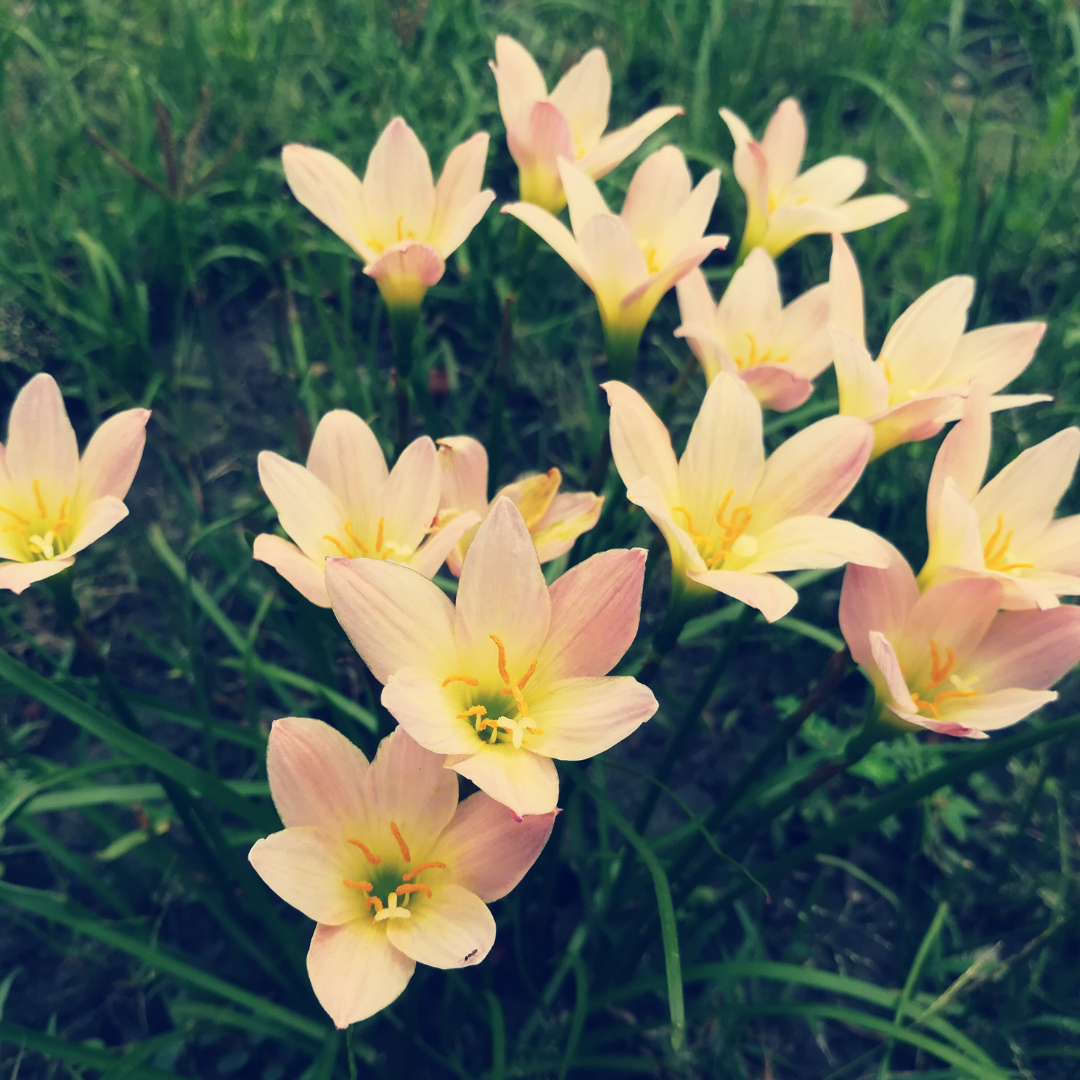

Rain Lily - Yellow
Rain Lily - Yellow
Couldn't load pickup availability
Brighten Your Phoenix Garden with Cheerful Yellow Rain Lilies
Yellow Rain Lily (Zephyranthes citrina) is one of the most delightful perennial bulbs you can plant in the Phoenix Valley. Growing just 6–12 inches tall, these compact beauties burst into bright yellow trumpet-shaped blooms after summer monsoon rains — a magical surprise every season. Incredibly low-maintenance and heat-tolerant, Yellow Rain Lily thrives in Scottsdale, Chandler, Mesa, Gilbert, and Tempe landscapes where you want a pop of golden color without the fuss.
Yellow Rain Lily Plant Details
| Attribute | Detail |
|---|---|
| Scientific Name | Zephyranthes citrina |
| Common Names | Yellow Rain Lily, Yellow Zephyr Lily, Citron Zephyranthes |
| Mature Height | 6–12 inches |
| Mature Width | 6–12 inches (clumps spread over time) |
| Growth Rate | Moderate — multiplies readily via offsets |
| Sun | Full sun to partial shade |
| Water | Low to moderate once established. Drought-tolerant between rains. |
| USDA Zones | 7–10 (Phoenix is Zone 9b–10a) |
| Soil | Well-draining. Adapts to sandy and rocky Arizona soils. |
| Flower Color | Bright yellow |
| Bloom Season | Summer through fall, triggered by rainfall |
Why Yellow Rain Lily Thrives in Phoenix Landscapes
Native to Central and South America, Yellow Rain Lily is perfectly adapted to hot, arid climates with seasonal monsoon moisture — exactly what the Phoenix Valley delivers each summer. These hardy bulbs go dormant during dry spells and spring to life within days of a good rain, producing cheerful yellow flowers that last several days. Plant them in borders, rock gardens, containers, or tucked between larger desert plants for a seasonal burst of color that requires almost zero effort.
Perfect Uses for Yellow Rain Lily
Yellow Rain Lily works beautifully as a border edging plant along walkways and garden beds. Tuck them into rock gardens alongside succulents and cacti for a flash of golden color after storms. They naturalize easily in mass plantings under trees or along dry creek beds. Container gardening is another great option — group several bulbs in a decorative pot on your Scottsdale patio for a monsoon-season show. Mix with Pink Rain Lilies for a stunning two-tone display.
How to Plant Yellow Rain Lily in Arizona
Plant bulbs 2–3 inches deep and 3–4 inches apart in well-draining soil. Choose a spot with full sun to partial shade — morning sun with afternoon shade works well in the hottest parts of Phoenix. Amend heavy caliche soil with sand or decomposed granite to improve drainage. Water thoroughly after planting to settle the soil around the bulbs. Fall or early spring planting gives bulbs time to establish roots before summer heat arrives. In containers, use a well-draining cactus mix and ensure pots have drainage holes.
How to Water Yellow Rain Lily in Phoenix
During the establishment period (first 2–3 months), water once or twice a week to help bulbs settle in. Once established, Yellow Rain Lily is remarkably drought-tolerant and relies primarily on monsoon rains for moisture. Supplement with occasional deep watering during extended dry periods in summer if you want to encourage more blooms. Reduce watering in winter when the plant is dormant. Overwatering is the biggest risk — ensure soil dries out between waterings to prevent bulb rot.
Frequently Asked Questions
When do Yellow Rain Lilies bloom in Phoenix?
Yellow Rain Lilies typically bloom from late June through September, triggered by monsoon rains. Flowers appear within 2–5 days after a significant rainfall and last several days each.
Do Yellow Rain Lilies spread?
Yes, they multiply naturally by producing bulb offsets. Over a few years, a single bulb can form an attractive clump. You can divide clumps every 3–4 years to spread them to new areas of your garden.
Can I grow Yellow Rain Lilies in a container?
Absolutely. Use a well-draining cactus or succulent mix in a container with drainage holes. Group 5–7 bulbs together for the best display. Water when the top inch of soil is dry.
Are Yellow Rain Lilies toxic?
All parts of Zephyranthes contain alkaloids and are mildly toxic if ingested. Keep bulbs away from curious pets and children. They are deer-resistant, which is a bonus for foothill properties in Scottsdale and Fountain Hills.
You May Also Like
Rain Lily - Pink · Pink Parade Hesperaloe · Yellow Bells · Desert Marigold · Blackfoot Daisy
Share