
Periwinkle
Periwinkle
Couldn't load pickup availability
The Best Evergreen Groundcover for Shady Spots in Phoenix Landscapes
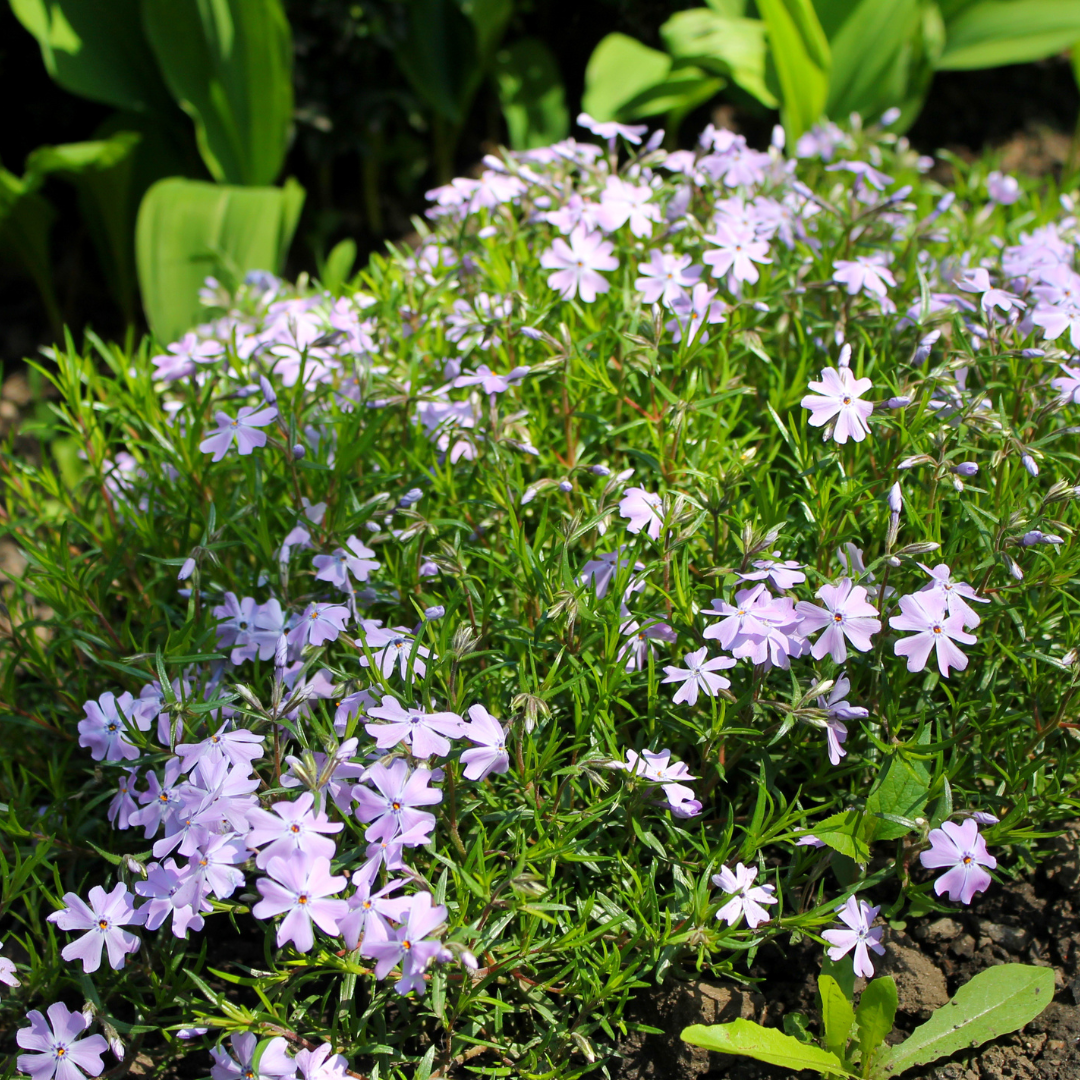
Periwinkle (Vinca minor) is a classic evergreen groundcover that thrives in shaded areas where many other plants struggle. Its glossy dark green leaves and charming star-shaped purple-blue flowers create a lush carpet of color in spots that get filtered light or morning sun. Growing just 3–6 inches tall and spreading 18–24 inches, Periwinkle is perfect for filling shaded beds, covering bare ground under trees, and adding green to north-facing areas. Whether you're landscaping a shady courtyard in Scottsdale, covering ground under mature trees in Mesa, or softening a north-facing wall in Chandler — Periwinkle provides reliable, low-maintenance coverage year-round.
Periwinkle Plant Details
| Attribute | Detail |
|---|---|
| Scientific Name | Vinca minor |
| Common Names | Periwinkle, Lesser Periwinkle, Creeping Myrtle |
| Mature Height | 3–6 inches |
| Mature Width | 18–24 inches (spreading) |
| Growth Rate | Moderate — fills in steadily over 1–2 seasons |
| Sun | Partial shade to full shade. Protect from intense afternoon sun. |
| Water | Low to moderate once established. |
| USDA Zones | 4–9 (Phoenix is Zone 9b–10a — plant in shade for best results) |
| Soil | Well-draining. Adapts to Arizona caliche soils with organic amendment. |
| Foliage | Evergreen — glossy dark green leaves year-round |
| Bloom Color | Purple-blue, lavender, or white star-shaped flowers |
Periwinkle Uses in Phoenix Landscapes
Shade Groundcover
Periwinkle excels in shaded areas where grass and sun-loving plants won't grow. Plant it under trees, along north-facing walls, or in courtyard gardens that receive filtered light. Space plants 12–18 inches apart and it will knit together into a dense, weed-suppressing mat within 1–2 seasons.
Under-Tree Planting
The trailing stems and shade tolerance make Periwinkle ideal for covering bare ground beneath established trees in Gilbert, Tempe, and Peoria. It competes well with tree roots once established and adds a lush green carpet where mulch alone would look bare.
Border & Edging for Shaded Beds
Use Periwinkle to edge shaded garden beds and walkways. The low, trailing growth softens hard edges and the purple-blue flowers add seasonal color at ground level. It pairs well with ferns, Lily Turf, and shade-loving annuals.
Best Time to Plant Periwinkle in Phoenix
Fall (October–November) is the ideal planting window. Cooler temperatures and shorter days reduce heat stress while the soil stays warm enough for root establishment. Spring (February–March) is the second-best option. Avoid summer planting — Periwinkle needs shade and consistent moisture to establish, and Phoenix's extreme summer heat makes establishment difficult.
How to Plant Periwinkle
- Choose a shaded location — morning sun with afternoon shade, or full shade under trees.
- Amend soil with compost — Periwinkle prefers richer soil than most Phoenix natives.
- Check for caliche — break through hardpan for drainage even in shaded areas.
- Spacing — 12–18 inches apart for groundcover fill within 1–2 seasons.
- Water basin — create a shallow well around each plant for establishment watering.
- Mulch — 2 inches of organic mulch between plants to retain moisture and keep soil cool.
Watering Periwinkle in Phoenix
First Year Watering Schedule
Weeks 1–2: Every 1–2 days in warm months, every 3–4 days in cool months. Month 1–3: Every 3–4 days. Month 3–6: Every 5–7 days. After Year 1: Every 7–10 days in summer; every 2–3 weeks in winter.
Drip Irrigation
Place 0.5–1 GPH emitters every 18 inches across the planting area. Periwinkle needs more consistent moisture than most desert plants, especially in its first year. Established plants are moderately drought-tolerant in shade but perform best with regular irrigation.
Can Periwinkle handle Phoenix sun?
Not full sun. In Phoenix's intense climate, Periwinkle needs shade — especially afternoon shade. Plant it under trees, on north-facing exposures, or in covered patios. Full sun will scorch the leaves and kill the plant.
How fast does Periwinkle spread?
It spreads at a moderate pace, with trailing stems rooting as they grow. Expect full coverage from 12-inch spacing within 1–2 growing seasons in Phoenix's warm climate.
Is Periwinkle invasive in Arizona?
Vinca minor is well-behaved in Phoenix's dry climate and is much less aggressive than its larger cousin Vinca major. In shaded garden beds with defined borders, it stays manageable.
Does it bloom year-round?
It blooms heaviest in spring (March–May) with sporadic flowers through fall. The evergreen foliage looks great year-round even when not actively blooming.
You May Also Like
Lily Turf — Another shade-tolerant groundcover with grass-like foliage and purple flowers.
Asian Jasmine — Dense evergreen groundcover for shaded areas.
Trailing Lantana — Sun-loving groundcover for areas adjacent to Periwinkle's shade.
Share