

Pale Leaf Yucca
Pale Leaf Yucca
Couldn't load pickup availability
Striking Blue-Green Rosettes That Thrive on Phoenix Neglect
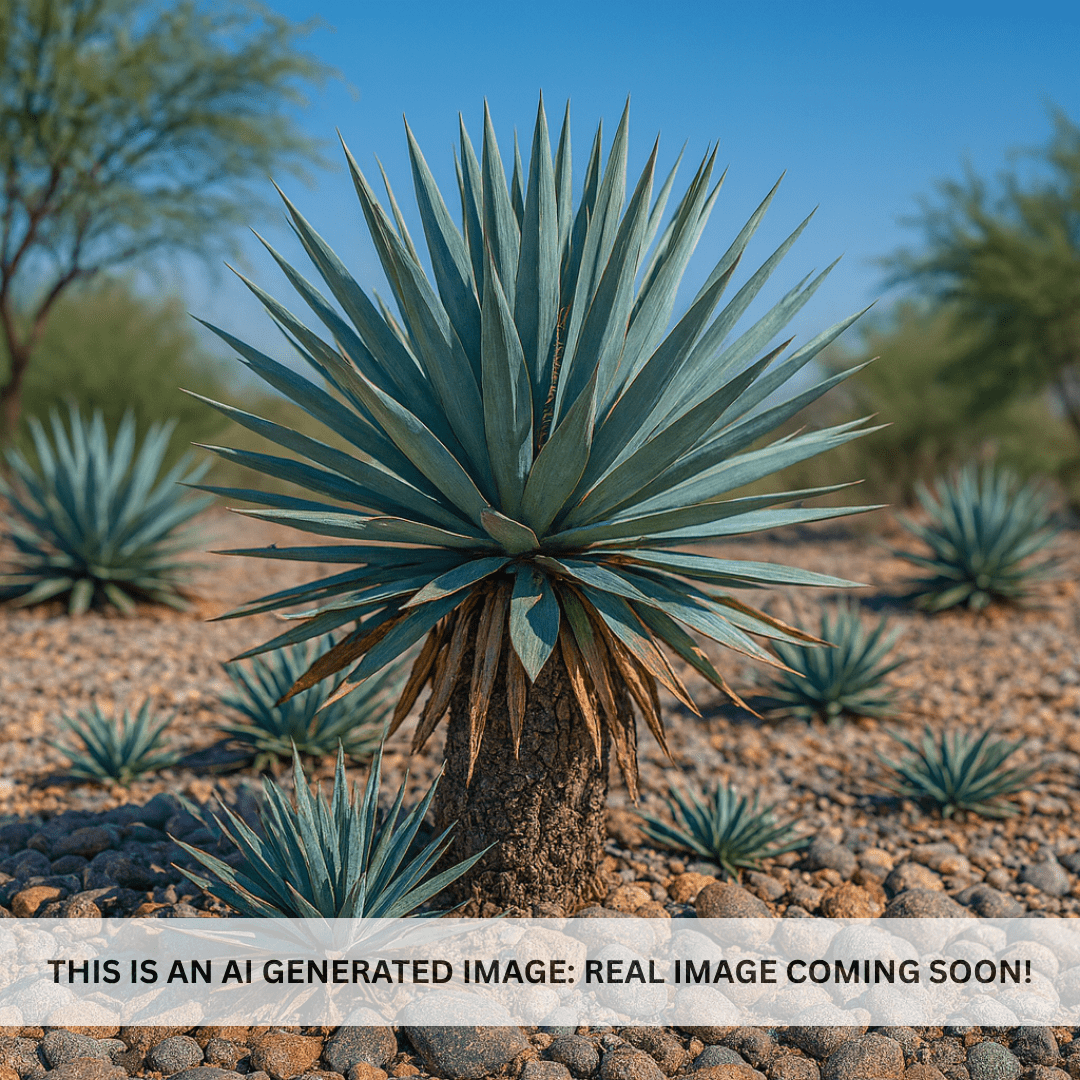
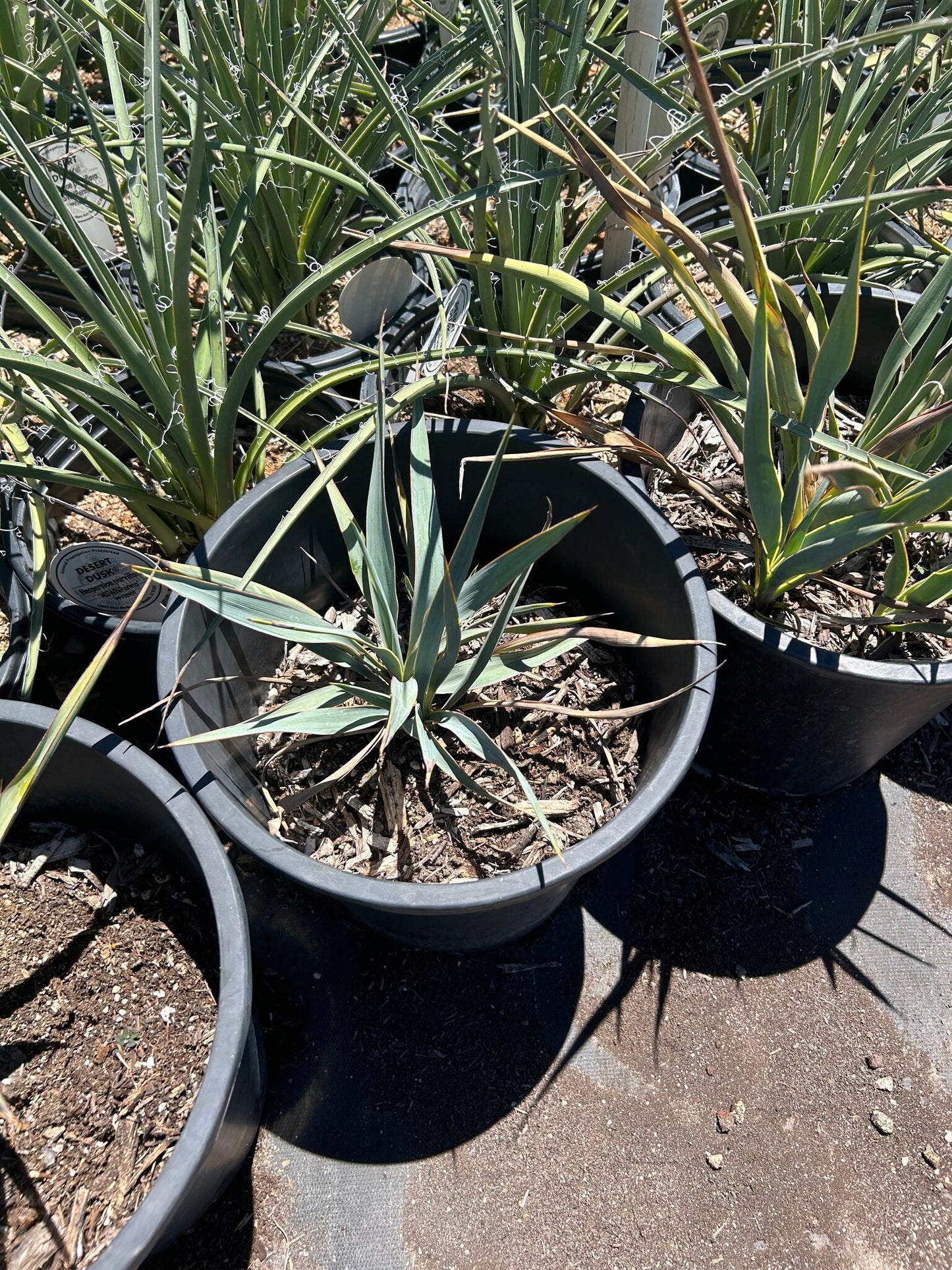
Pale Leaf Yucca (Yucca pallida) is a low-growing, clump-forming yucca prized for its stunning blue-green to pale silvery foliage. Native to Texas limestone prairies, this tough species is perfectly adapted to the alkaline soils and extreme heat of the Phoenix Valley. Growing just 1–2 feet tall with a 2–3 foot spread, it delivers bold architectural impact in a compact package. Whether you're building a modern desert garden in Scottsdale, adding sculptural texture to a rock garden in Chandler, or creating a low-water border in Mesa — Pale Leaf Yucca is a no-fail choice that looks great year-round.
Pale Leaf Yucca Plant Details
| Attribute | Detail |
|---|---|
| Scientific Name | Yucca pallida |
| Common Names | Pale Leaf Yucca, Pale Yucca, Pallid Yucca |
| Mature Height | 1–2 feet (flower stalk reaches 4–6 feet) |
| Mature Width | 2–3 feet |
| Growth Rate | Slow to moderate — forms offsets over time |
| Sun | Full sun to partial shade. Handles reflected heat from walls. |
| Water | Very low once established. Extremely drought-tolerant. |
| USDA Zones | 5–11 (Phoenix is Zone 9b–10a) |
| Soil | Well-draining. Thrives in Arizona caliche and rocky soils. |
| Foliage | Evergreen — blue-green to pale silvery rosettes year-round |
| Bloom Color | Creamy white flower spikes in spring |
Pale Leaf Yucca Uses in Phoenix Landscapes
Sculptural Accent & Focal Point
The symmetrical rosette form and striking blue-green color make Pale Leaf Yucca a natural focal point. Plant it at the base of boulders, beside a courtyard entry, or in a decorative container for maximum visual impact. Its compact size makes it perfect for small spaces where larger yuccas would overwhelm.
Rock Garden & Xeriscape
Pale Leaf Yucca is a staple for rock gardens and xeriscape designs. Combine it with Golden Barrel Cactus, Desert Spoon, and decomposed granite for a clean, modern desert composition. Its low profile and clumping habit fill space without competing with taller specimens in Gilbert, Tempe, and Peoria.
Low-Water Border & Mass Planting
Plant Pale Leaf Yucca 2–3 feet apart for a striking blue-toned border along walkways, patios, or property lines. As it offsets over time, it creates dense clusters that look intentional and dramatic. Pair with Angelita Daisy or trailing Lantana for color contrast.
Best Time to Plant Pale Leaf Yucca in Phoenix
Fall (October–November) is the ideal planting window. Warm soil promotes root establishment while cooler air reduces stress. Spring (February–April) is the second-best option. This yucca can handle summer planting better than most — it's extremely heat-tolerant — but fall planting gives it the best head start.
How to Plant Pale Leaf Yucca
- Dig wide, not deep — 2–3x the root ball width, same depth as the container.
- Check for caliche — break through any hardpan layer. Excellent drainage is critical for yuccas.
- Backfill with native soil — no amendments needed. This species loves lean, rocky soil.
- Spacing — 2–3 feet apart for mass planting; 3–4 feet for standalone specimens.
- Water basin — build a shallow 2–3 inch ring for establishment watering only.
- Top dress — 2–3 inches of decorative gravel or decomposed granite around the base.
Watering Pale Leaf Yucca in Phoenix
First Year Watering Schedule
Weeks 1–2: Every 5–7 days, deep and slow. Month 1–3: Every 10–14 days. Month 3–6: Every 2–3 weeks. After Year 1: Once monthly in summer; no supplemental water needed in winter.
Drip Irrigation
Place one 1 GPH emitter 8–12 inches from the base. Established plants need very little water — overwatering causes root rot. Let soil dry completely between irrigations.
How big does Pale Leaf Yucca get?
The rosettes stay compact at 1–2 feet tall and 2–3 feet wide. Over time it produces offsets (pups) that form attractive clusters. The flower stalk can reach 4–6 feet in spring.
Is Pale Leaf Yucca cold-hardy?
Extremely. It's hardy down to USDA Zone 5 (well below Phoenix's Zone 9b–10a), so Phoenix winters are no concern at all.
Does it have sharp spines?
The leaf tips are soft compared to most yuccas — not dangerously sharp. It's one of the more people-friendly yuccas, making it suitable near walkways and patios.
Will it spread and take over?
It slowly produces offsets, but growth is controlled and manageable. Individual rosettes can be divided and transplanted if the clump gets larger than desired.
You May Also Like
Adam's Needle Yucca — Taller yucca with dramatic white flower spikes.
Blue Glow Agave — Blue-green rosette with a similar compact, sculptural form.
Desert Spoon — Silvery-blue spherical rosettes for bold desert contrast.
Red Yucca — Coral flower spikes that complement Pale Leaf Yucca's low profile.
How Many Pale Leaf Yucca Do I Need?
Pale Leaf Yucca is a clumping accent rosette that matures to 2 to 3 feet wide. Use it as a focal point or in odd-numbered groups so each rosette stands clear. Single it at a boulder base or courtyard entry, or plant in groups of 3 to 5 spaced 2.5 to 3 feet apart for a blue-toned drift. For a low border, run them 2.5 feet on center: about 4 plants per 10 foot row. The leaf tips are soft for a yucca, so it is safe to place near walkways and patios with a little clearance.
Pale Leaf Yucca Season-by-Season in Phoenix
- Spring (Feb–Apr): Sends up a creamy white flower spike 4 to 6 feet tall above the rosette. Best secondary planting window as soil warms.
- Summer (May–Sep): Thrives in full sun and reflected heat with almost no water. One of the few yuccas that takes summer planting in stride. Monsoon rain is fine given sharp drainage.
- Fall (Oct–Nov): Prime planting season. Roots establish quickly in warm soil before winter.
- Winter (Dec–Jan): Fully evergreen and completely unfazed by Valley winters. Hardy far below freezing (USDA Zone 5), so no frost protection is ever needed here.
At a Glance
✔ Heat-Loving (Reflected-Heat Tolerant) ✔ Drought-Tolerant ✔ Pool-Friendly (Low-Litter) ✔ Evergreen ✔ Low-Maintenance ✔ Deer & Rabbit-Resistant ✔ Cold-Hardy to 0°F
Plant It With
- Desert Spoon: Larger silvery-blue rosette that echoes the yucca form at bigger scale.
- Red Yucca: Coral flower spikes that rise above the low Pale Leaf Yucca profile.
- Angelita Daisy: Low golden bloomer for cheerful color contrast at the rosette base.
- Yellow Trailing Lantana: Cascading color that softens the spaces between rosettes.
Is Pale Leaf Yucca Right for Your Yard?
Pale Leaf Yucca thrives in full sun to light shade, in lean rocky or caliche soil with sharp drainage, where you want compact blue-green architecture in a rock garden, xeriscape, container, or low border. It needs very little water and no frost care. It is not a fit for soggy or heavily irrigated beds, where constant moisture rots the crown. Keep it dry and give it gritty, fast-draining soil.
Share