

Lucky Cactus
Lucky Cactus
Couldn't load pickup availability
Phoenix's Most Dramatic Architectural Succulent
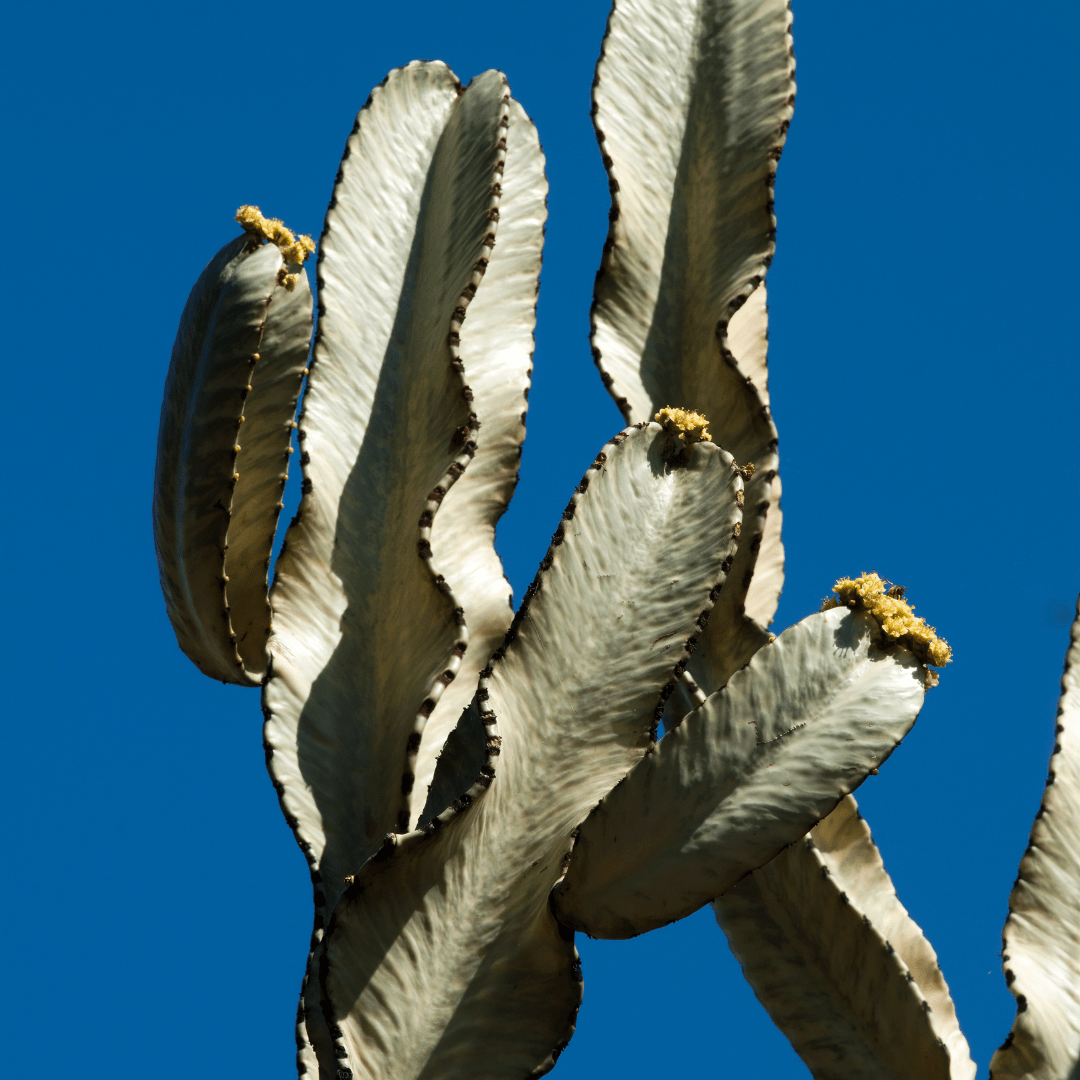
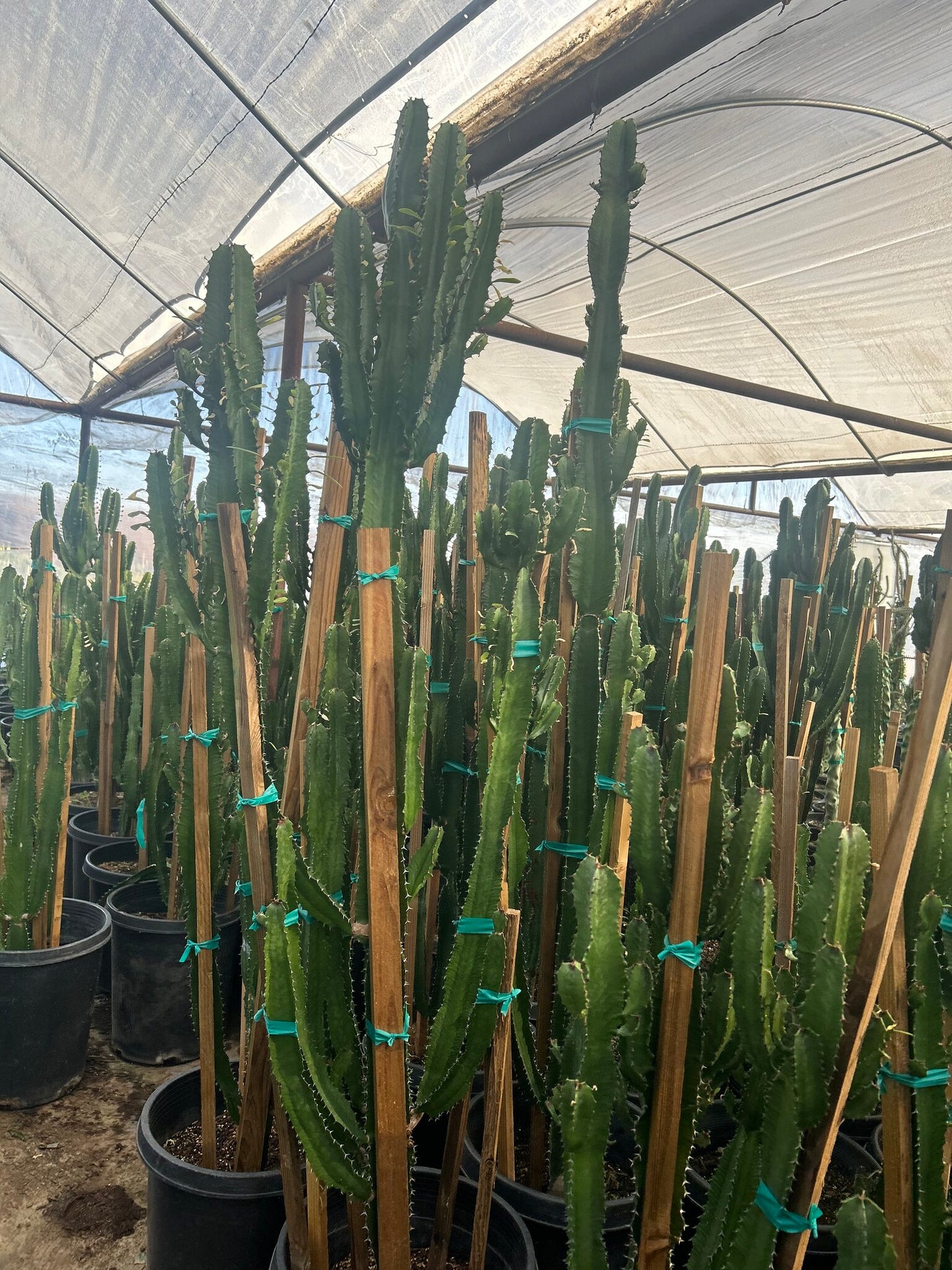
Lucky Cactus (Euphorbia ingens) is one of the most visually striking succulents you can plant in the Phoenix Valley. This fast-growing candelabra-shaped Euphorbia reaches impressive heights with thick, ribbed columnar stems that branch upward like a living sculpture. Extremely drought-tolerant and virtually maintenance-free once established, Lucky Cactus thrives in the intense heat of Scottsdale, Chandler, Mesa, Gilbert, and Tempe. Whether you need a bold focal point for a modern desert landscape, a dramatic poolside accent, or a low-water specimen that commands attention year-round — Lucky Cactus delivers.
Lucky Cactus Plant Details
| Attribute | Detail |
|---|---|
| Scientific Name | Euphorbia ingens |
| Common Names | Lucky Cactus, Candelabra Tree, Naboom |
| Mature Height | 15–30 feet (often 8–15 ft in residential landscapes) |
| Mature Width | 8–15 feet |
| Growth Rate | Fast — 2–4 feet per year in Phoenix |
| Sun | Full sun (6+ hrs). Handles reflected heat from walls and pavement. |
| Water | Very low once established. Highly drought-tolerant. |
| USDA Zones | 9–11 (Phoenix is Zone 9b–10a) |
| Soil | Well-draining required. Adapts to Arizona caliche soils with proper drainage. |
| Foliage | Evergreen — stays green year-round with thick succulent stems |
| Toxicity | Milky sap is irritating — wear gloves when handling |
Lucky Cactus Uses in Phoenix Landscapes
Architectural Focal Point
Lucky Cactus is the ultimate statement plant for modern desert landscapes. Its candelabra branching pattern creates a dramatic silhouette that looks stunning against stucco walls, gravel beds, or minimalist hardscaping. A single mature specimen anchors an entire front yard. Plant one as a standalone centerpiece with a ring of decomposed granite and low-growing groundcover like Trailing Lantana for a clean, contemporary look.
Pool-Friendly Specimen
With no messy leaf drop or invasive root system, Lucky Cactus is ideal near pools, patios, and outdoor living spaces throughout Scottsdale and Paradise Valley. The upright columnar form takes up minimal footprint while delivering maximum visual impact. Plant 6–8 feet from the pool edge for a tropical resort vibe without the maintenance headaches.
Drought-Tolerant Mass Planting
Group three Lucky Cactus plants of staggered heights to create a living sculpture garden effect. Space them 6–8 feet apart and pair with other architectural succulents like Firestick Euphorbia, Moroccan Mound, or Ponytail Palm for a diverse, low-water succulent showcase. This approach works beautifully in HOA-friendly commercial landscapes across Mesa, Gilbert, and Chandler.
Best Time to Plant Lucky Cactus in Phoenix
Fall (October–November) is ideal: the soil is still warm enough for strong root establishment, while cooler air temperatures reduce transplant stress. Your Lucky Cactus gets 6–8 months of root growth before its first Phoenix summer. Spring (February–April) is the second-best window. Avoid summer planting when possible — extreme heat stresses newly transplanted succulents.
How to Plant Lucky Cactus
- Dig wide, not deep — excavate 2–3× the root ball width at the same depth as the container.
- Check for caliche — break through any hardpan layer to ensure drainage. Lucky Cactus cannot sit in standing water.
- Backfill with native soil — mix in 20% pumice or perlite for extra drainage if your soil is heavy clay.
- Spacing — 8–10 ft apart for grouped plantings; 12+ ft from structures for mature specimens.
- Water basin — build a 3–4 inch berm ring around the root zone to direct water to roots during establishment.
- Mulch — 2–3 inches of gravel mulch (not bark) to retain moisture and keep the crown dry.
Watering Lucky Cactus in Phoenix
First Year Watering Schedule
- Weeks 1–2: Every 3–4 days, deep and slow (20–30 min drip)
- Month 1–3: Every 5–7 days
- Month 3–6: Every 10–14 days (7–10 days in peak summer)
- After Year 1: Every 2–3 weeks in summer; monthly or less in winter
Drip Irrigation
Place two 2-GPH emitters 18–24 inches from the trunk on opposite sides. Once established (after year two), Lucky Cactus needs very little supplemental water — it stores moisture in its thick stems and can survive extended dry periods. Overwatering is the number one killer, so always err on the dry side.
How fast does Lucky Cactus grow in Phoenix?
Very fast — expect 2–4 feet of new growth per year under ideal conditions. A 5-gallon starter can reach 8–10 feet within 3–4 years with regular watering during establishment.
Is Lucky Cactus actually a cactus?
No — despite the name, Lucky Cactus is a Euphorbia, not a true cactus. The key difference is the milky white sap (latex) that Euphorbias produce when cut, which can be irritating to skin and eyes. Always wear gloves when pruning or handling.
Can Lucky Cactus handle Phoenix summer heat?
Absolutely. Euphorbia ingens is native to southern and eastern Africa and thrives in extreme heat. It handles full reflected heat from walls, concrete, and pavement — making it perfect for the toughest spots in Phoenix landscapes.
Does Lucky Cactus freeze in Phoenix winters?
Lucky Cactus is hardy to about 25–28°F, which means it handles typical Phoenix winters (Zone 9b–10a) with no issues. In rare hard freeze events, cover the plant with frost cloth as a precaution, especially for younger specimens.
You May Also Like
- Lucky Cactus - Variegated — the colorful cream-and-green striped version of this plant, with red-purple highlights in bright sun.
- Moroccan Mound — a dome-shaped Euphorbia that pairs perfectly with Lucky Cactus for a succulent garden vignette.
- Firestick Euphorbia — vibrant red-orange pencil-thin stems that contrast beautifully with Lucky Cactus's thick columns.
- Ponytail Palm — another architectural specimen with a swollen trunk base and cascading foliage for textural variety.
- Medusa's Head — a bizarre, eye-catching Euphorbia groundcover that fills in around taller specimens.
How Many Lucky Cactus Do I Need?
Lucky Cactus is a large architectural specimen, so plant it for sculptural impact rather than as a hedge. Use its 8 to 15 foot mature width to guide spacing:
- Single focal point: one mature plant anchors an entire front yard or courtyard, ringed with decomposed granite.
- Sculpture grouping: odd-numbered groups of 3 at staggered heights, spaced 8 to 10 feet apart, so each candelabra reads clearly.
- Clearance: keep mature specimens 12 or more feet from structures and 6 to 8 feet from a pool edge.
Plant it where the branching silhouette stands clear of walkways and seating, since the milky sap is an irritant if a stem is cut or broken.
Lucky Cactus Season-by-Season in Phoenix
- Spring (Feb-Apr): Warming soil triggers fast new growth on the columnar stems. A strong second planting window after fall.
- Summer (May-Sep): Peak growth, adding 2 to 4 feet a year while shrugging off extreme heat and reflected warmth from walls and pavement. Keep it on the dry side through monsoon humidity.
- Fall (Oct-Nov): Best planting season, with warm soil and easing heat for strong root establishment before winter.
- Winter (Dec-Jan): Stays evergreen and handles typical Valley winters, hardy to about 25 to 28F. Drape frost cloth over young plants on rare hard-freeze nights.
At a Glance
✔ Heat-Loving (Reflected-Heat Tolerant) ✔ Drought-Tolerant ✔ Evergreen ✔ Pool-Friendly (Low-Litter) ✔ Low-Maintenance
Plant It With
- Lucky Cactus - Variegated: the cream-and-green striped form for a matched but colorful pairing.
- Moroccan Mound: a low dome-shaped euphorbia that fills the ground plane beneath the columns.
- Firestick Euphorbia: pencil-thin fiery stems that contrast the thick ribbed columns.
- Medusa's Head: a sprawling low euphorbia that softens the base of the specimen.
Is Lucky Cactus Right for Your Yard?
It thrives in full sun, fast-draining or amended caliche soil, and the reflected heat of walls and pavement, growing into a bold low-water focal point. Not a fit if you have a small or tight planting space, a wet or shaded spot, or a high-traffic area with kids and pets: the milky sap is a skin and eye irritant when stems are cut or damaged.
Share