

Yellow Hibiscus
Yellow Hibiscus
Couldn't load pickup availability
Phoenix's Best Tropical Bloomer — Yellow Hibiscus for Desert Gardens
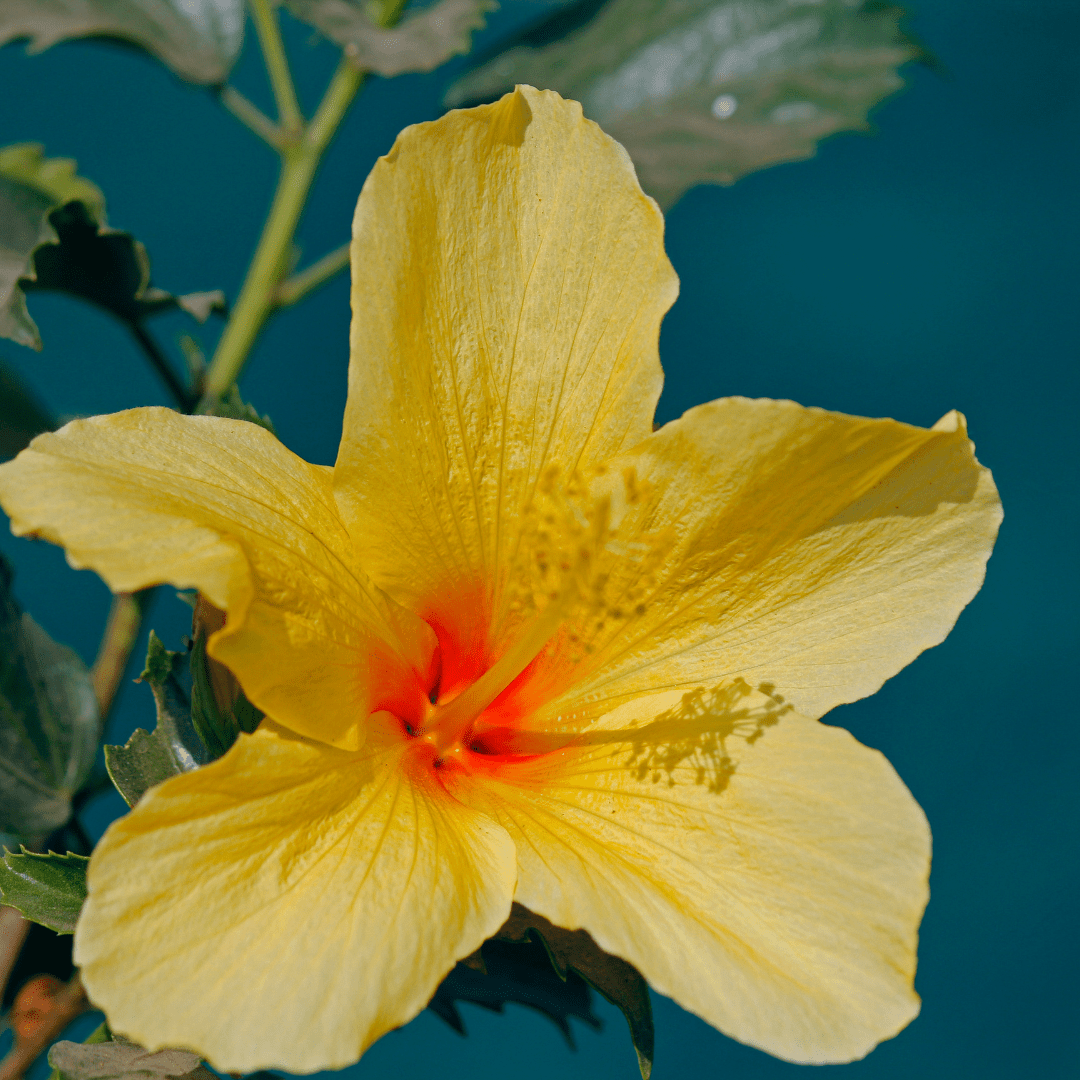
Yellow Hibiscus (Hibiscus rosa-sinensis) is one of Phoenix's most beloved tropical flowering shrubs — a year-round showstopper with enormous 5–6 inch golden-yellow blooms that light up the desert landscape. Unlike many flowering plants that struggle in Arizona's extreme heat, Yellow Hibiscus thrives in full sun and intense temperatures, producing a continuous display of vibrant blooms from spring through fall — and often into winter in Phoenix's mild climate. It's low-maintenance, drought-tolerant once established, and brings a lush tropical feel to any outdoor space. Whether you're brightening a Scottsdale patio, adding a color anchor to a Chandler flower bed, creating a tropical border in Mesa, or dressing up a Gilbert pool surround — Yellow Hibiscus delivers bold tropical impact with minimal effort.
Yellow Hibiscus Plant Details
| Attribute | Detail |
|---|---|
| Scientific Name | Hibiscus rosa-sinensis |
| Common Names | Yellow Hibiscus, Chinese Hibiscus, Tropical Hibiscus, Rose of China |
| Mature Height | 5–10 feet (easily pruned to 4–6 ft) |
| Mature Width | 4–8 feet |
| Growth Rate | Moderate to fast — 1–2 feet per year in Phoenix |
| Sun | Full sun (6+ hrs). Handles reflected heat from walls and pavers. |
| Water | Low to moderate once established. Drought-tolerant after year 1. |
| USDA Zones | 9–11 (Phoenix is Zone 9b–10a) |
| Soil | Well-draining. Adapts to Arizona caliche soils. |
| Foliage | Evergreen — glossy green leaves year-round |
| Bloom Color | Large (5–6 inch) bright yellow flowers, spring through fall |
Yellow Hibiscus Uses in Phoenix Landscapes
Tropical Color Anchor & Focal Point
Yellow Hibiscus is one of the most effective color anchors in the Phoenix landscape palette. Its enormous golden blooms create an immediate focal point that draws the eye from across the yard. Plant it as a standalone specimen in a large bed, at the corner of a patio, or centered in a circular planting area for maximum visual impact. In Scottsdale and Tempe, it pairs beautifully with Purple Lantana and Desert Spoon for a layered tropical-meets-desert design. A single mature plant in full bloom produces dozens of flowers simultaneously — creating a continuous tropical color display.
Pool Surround & Tropical Patio Planting
Yellow Hibiscus is a top choice for Phoenix pool surrounds — its tropical look complements water features perfectly, and its blooms don't create excessive debris in pools. Plant 4–6 feet from the pool edge in well-draining soil against a sunny wall or fence. Pair with Blue Hibiscus, Bougainvillea, or Giant Bird of Paradise for a complete tropical resort palette. The bright yellow flowers create a stunning contrast with blue pool water and desert stone, making this a defining element of the luxury outdoor spaces popular throughout Chandler and Gilbert.
Flowering Hedge & Privacy Screen
Planted 3–4 feet apart in a row, Yellow Hibiscus creates a dense, flowering privacy screen that blooms nearly year-round in Phoenix's climate. The plants fill in quickly and respond well to light pruning to maintain a tidy hedge form at 4–6 feet. For a 20 ft fence line: 5–6 plants; for a 40 ft fence: 10–12 plants. This is an exceptional privacy solution for Peoria and Mesa homeowners who want beauty and function from their screening plants — rather than plain block walls or plain green hedges.
Container & Patio Planting
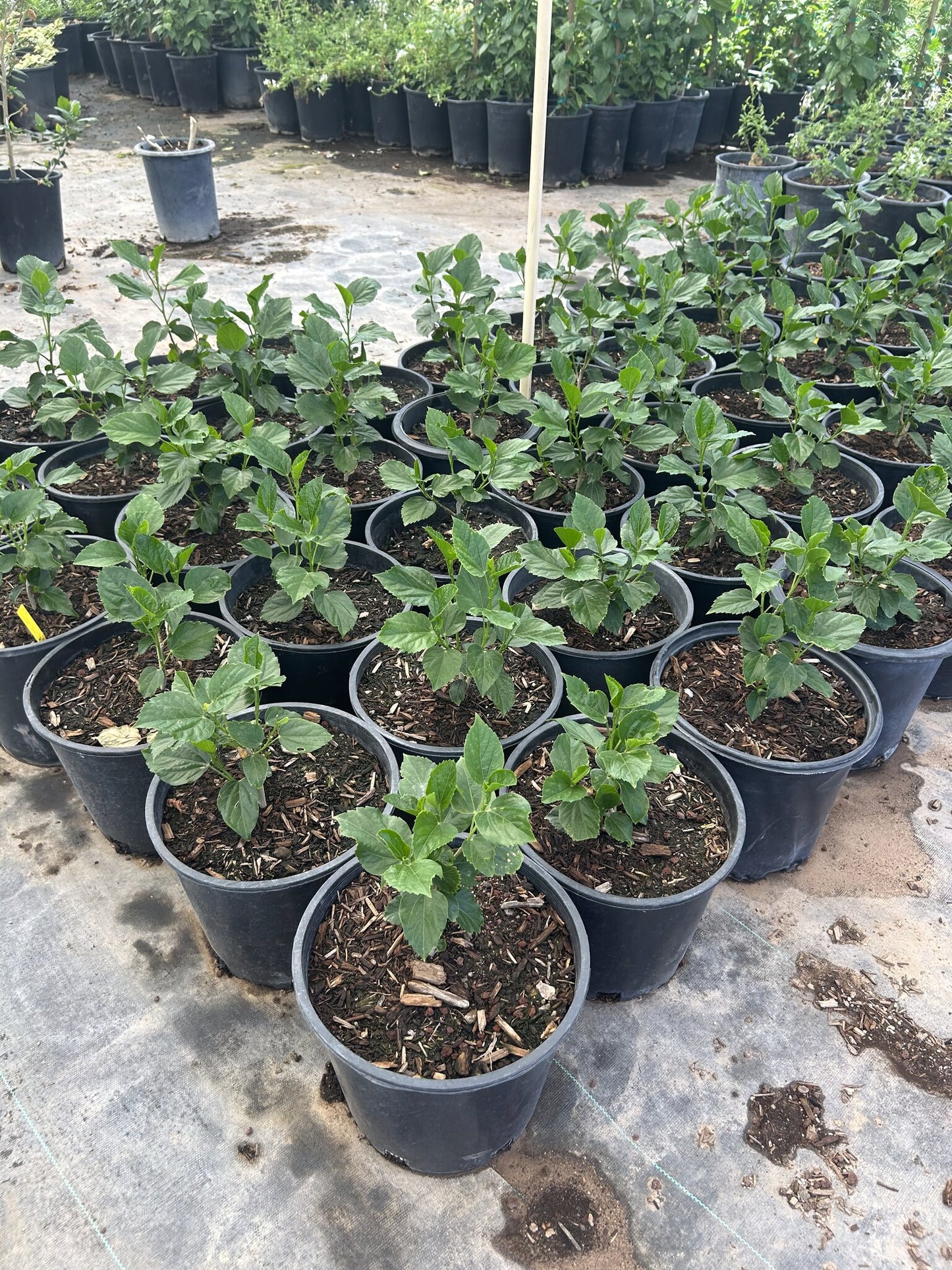
Yellow Hibiscus grows beautifully in large containers on Phoenix patios and courtyards. A 15–25 gallon pot with excellent drainage provides enough root space for a large, floriferous specimen. Container-grown hibiscus can be moved to provide afternoon shade during the most extreme summer heat if needed. Use a quality potting mix with 20% perlite for drainage, and apply a slow-release fertilizer in spring and fall to support continuous blooming.
Best Time to Plant Yellow Hibiscus in Phoenix
Fall (October–November) is the ideal planting window — cooler air reduces transplant stress while warm soil gives roots a full off-season to establish before the first Phoenix summer. Spring (March–April) is the second-best option, allowing roots to establish before summer heat ramps up. Avoid planting in peak summer (July–August) when the combination of extreme heat and transplant stress can cause leaf drop and wilting. If summer planting is unavoidable, water every day for the first two weeks and provide afternoon shade cloth for the first 30 days.
How to Plant Yellow Hibiscus
- Dig wide, not deep — excavate a hole 2–3x the width of the root ball at the same depth as the container. Do not plant deeper than the existing soil line.
- Check for caliche — break through any caliche hardpan to ensure proper drainage below the root zone. Poor drainage is the most common cause of hibiscus decline in Phoenix.
- Backfill with native soil — amend with 10–20% compost. Hibiscus tolerates Phoenix's native alkaline soil well with a light organic amendment.
- Spacing — 3–4 ft apart for a hedge; 5–6 ft apart as individual specimens.
- Build a water basin — create a 3–4 inch soil ring around the drip line to capture irrigation water and direct it to the roots.
- Mulch — apply 2–3 inches of bark or decomposed granite to retain soil moisture and moderate temperature during Phoenix summers.
Watering Yellow Hibiscus in Phoenix
First Year Watering Schedule
Weeks 1–2: Water every 1–2 days, deep and slow (20–30 minutes per session). Months 1–2: Every 3–4 days. Months 3–6: Every 7–10 days (every 5–7 days during peak summer heat). After Year 1: Every 10–14 days in summer; every 2–3 weeks in winter. Yellow Hibiscus is more drought-tolerant than many people expect — consistent deep watering is more important than frequent shallow watering.
Drip Irrigation for Yellow Hibiscus
Place 1–2 GPH drip emitters 18 inches from the main trunk. As the plant grows, move emitters outward to the expanding drip line. For established plants, 0.5–1 GPH emitters running 2–3 times per week in summer are typically sufficient. Run irrigation in early morning to reduce evaporation. Note: hibiscus is sensitive to overwatering — if leaves yellow and drop, reduce watering frequency first before assuming other causes.
Does Yellow Hibiscus bloom year-round in Phoenix?
Nearly — Yellow Hibiscus blooms most prolifically in spring (March–May) and fall (September–November) when temperatures are in the 70–90°F range. In peak Phoenix summer (110°F+), bloom production may slow slightly, but continues. In Phoenix's mild winters, it often continues blooming through December and January. A light trim after each major flush encourages the next wave within 3–4 weeks.
How do I keep Yellow Hibiscus blooming in Phoenix?
Regular pruning is the key to continuous blooming. Trim back stems by 30–50% after each major bloom cycle to stimulate new growth — hibiscus blooms on new wood. Apply a balanced slow-release fertilizer in spring and early fall. Avoid high-nitrogen fertilizers that promote foliage at the expense of blooms. Deep, consistent watering also supports maximum flower production.
Is Yellow Hibiscus cold-hardy in Phoenix?
Yes — Hibiscus rosa-sinensis is rated for USDA Zones 9–11 and thrives in Phoenix's Zone 9b–10a. During an unusually cold Phoenix winter, leaves may drop and stem tips may sustain light damage below 35°F, but the plant typically rebounds vigorously in spring. Established plants over 2 years old are significantly more cold-tolerant than newly planted specimens.
What's the difference between Yellow Hibiscus and Blue Hibiscus?
Despite the similar name, they are completely different plants. Yellow Hibiscus (Hibiscus rosa-sinensis) is a true tropical hibiscus with large, glossy leaves and classic hibiscus-form flowers in bright yellow. Blue Hibiscus (Alyogyne huegelii) is actually a native Australian shrub with delicate lacy foliage and lavender-purple flowers — more drought-hardy but smaller-bloomed. Both are excellent Phoenix plants with different aesthetics and use cases.
Can Yellow Hibiscus grow in a pot on a Phoenix patio?
Absolutely — it's one of Phoenix's best patio container plants. Use a 15–25 gallon container with excellent drainage. Water more frequently than in-ground plants (every 2–3 days in peak summer) since containers dry out faster. Feed with a dilute liquid fertilizer every 4–6 weeks during the growing season for maximum blooms. A container-grown hibiscus on a covered patio can bloom nearly 12 months a year in Phoenix.
You May Also Like
Hibiscus Dark Pink — A stunning deep pink tropical hibiscus that pairs beautifully with Yellow Hibiscus for a vibrant Phoenix color combination.
Florida Sunset Hibiscus — A multi-tone tropical hibiscus with orange, red, and yellow blooms that creates a dramatic tropical display in Phoenix landscapes.
Blue Hibiscus (Alyogyne huegelii) — The desert-tough blue-blooming cousin with lacy foliage and lavender flowers — a great low-water companion to Yellow Hibiscus.
Lantana — A heat-loving, drought-tolerant perennial that fills in around Yellow Hibiscus with season-long color in Phoenix gardens.
Bougainvillea (Torch Glow) — A compact magenta bougainvillea that pairs stunning with Yellow Hibiscus for a bold tropical color combination in Phoenix patios.
How Many Yellow Hibiscus Do I Need?
For a flowering hedge or privacy screen, space plants about 4 feet apart based on their 4 to 8 foot mature width (kept tidy with pruning). As a single tropical focal point, give one plant 5 to 6 feet of open room. Keep it 4 to 6 feet back from the pool edge so the glossy foliage softens the deck without crowding it.
| Hedge Length | Plants Needed (4 ft spacing) |
|---|---|
| 16 ft | 5 |
| 24 ft | 7 |
| 40 ft | 11 |
Yellow Hibiscus Season-by-Season in Phoenix
- Spring (Mar to May): One of two peak bloom windows, with big golden flowers when nights warm into the 70s. A strong second planting window after the frost risk passes.
- Summer (May to Sep): Keeps blooming through the heat, though flower count may dip during the worst 110°F+ stretches. Give consistent water and, for containers, afternoon shade in extreme heat. Monsoon humidity is welcome.
- Fall (Oct to Nov): The second big bloom flush and the prime planting season, with roots settling in still-warm soil before winter.
- Winter (Dec to Jan): Often keeps blooming through a mild Valley winter and stays evergreen. This is a tropical plant, so cover it on nights near or below freezing: leaves may drop and tips nip below about 32 to 35°F, but established plants rebound in spring.
At a Glance
✔ Pollinator-Friendly ✔ Hummingbird-Friendly ✔ Pool-Friendly (Low-Litter) ✔ Evergreen ✔ Low-Maintenance
Plant It With
- Hibiscus Dark Pink: a deep-pink tropical hibiscus for a multi-color hedge of matching form.
- Double Pink Hibiscus: ruffled double blooms that add texture alongside the single yellow flowers.
- Florida Sunset Hibiscus: orange-red-yellow blends that tie the warm color palette together.
- Blue Hibiscus: the desert-tough, lavender-flowered cousin for a lower-water companion.
Is Yellow Hibiscus Right for Your Yard?
It thrives in full sun (with a little afternoon shade in the most extreme heat), rich, fast-draining soil, and steady moisture, so break through caliche and never let it sit in soggy ground. It is a great tropical color anchor and pool-side plant for warm, protected spots. It is not the best fit for an exposed frost pocket left uncovered or for a strict no-fuss xeriscape, since it wants more water and a frost-night cover that true desert shrubs do not.
Share