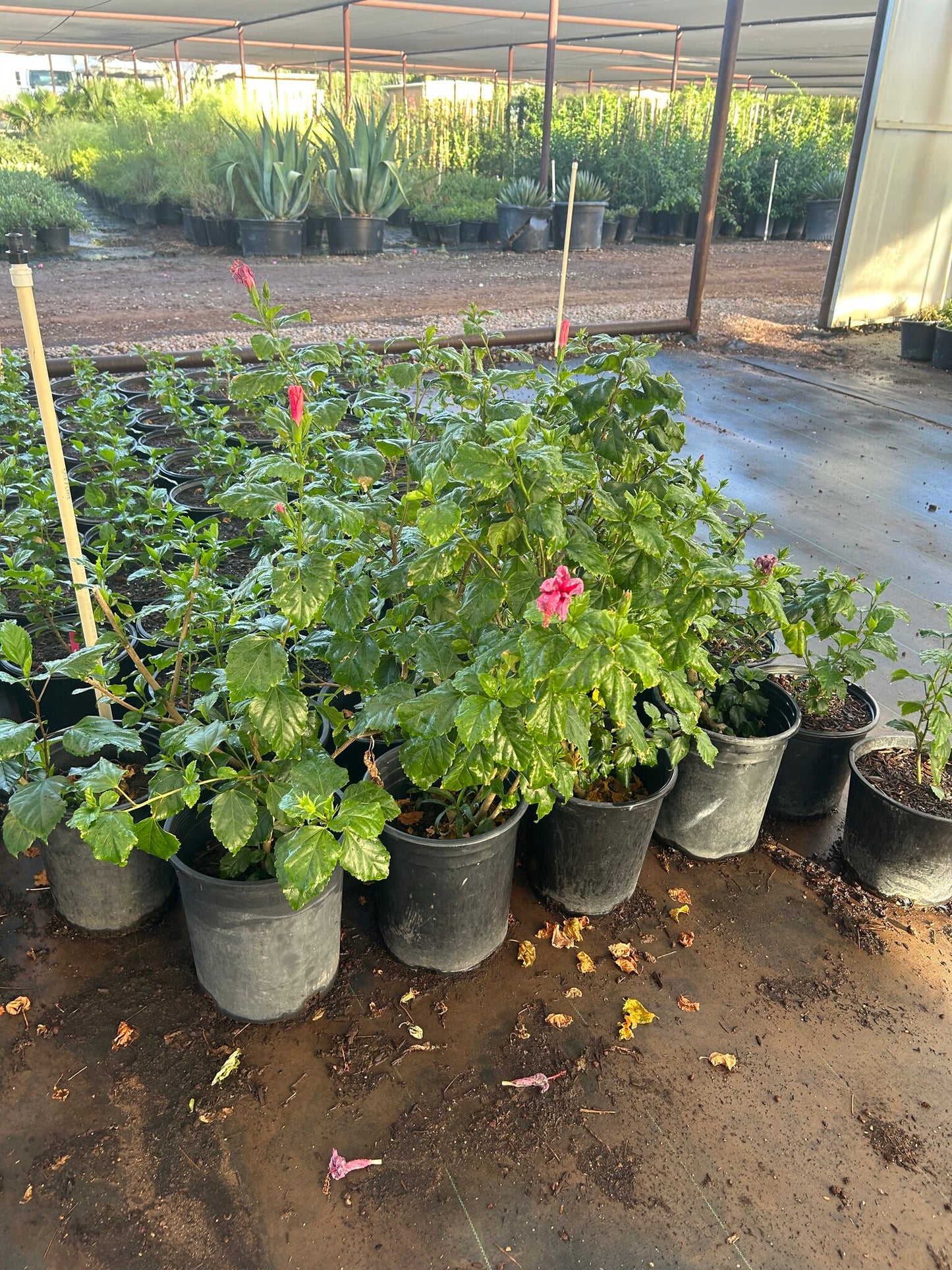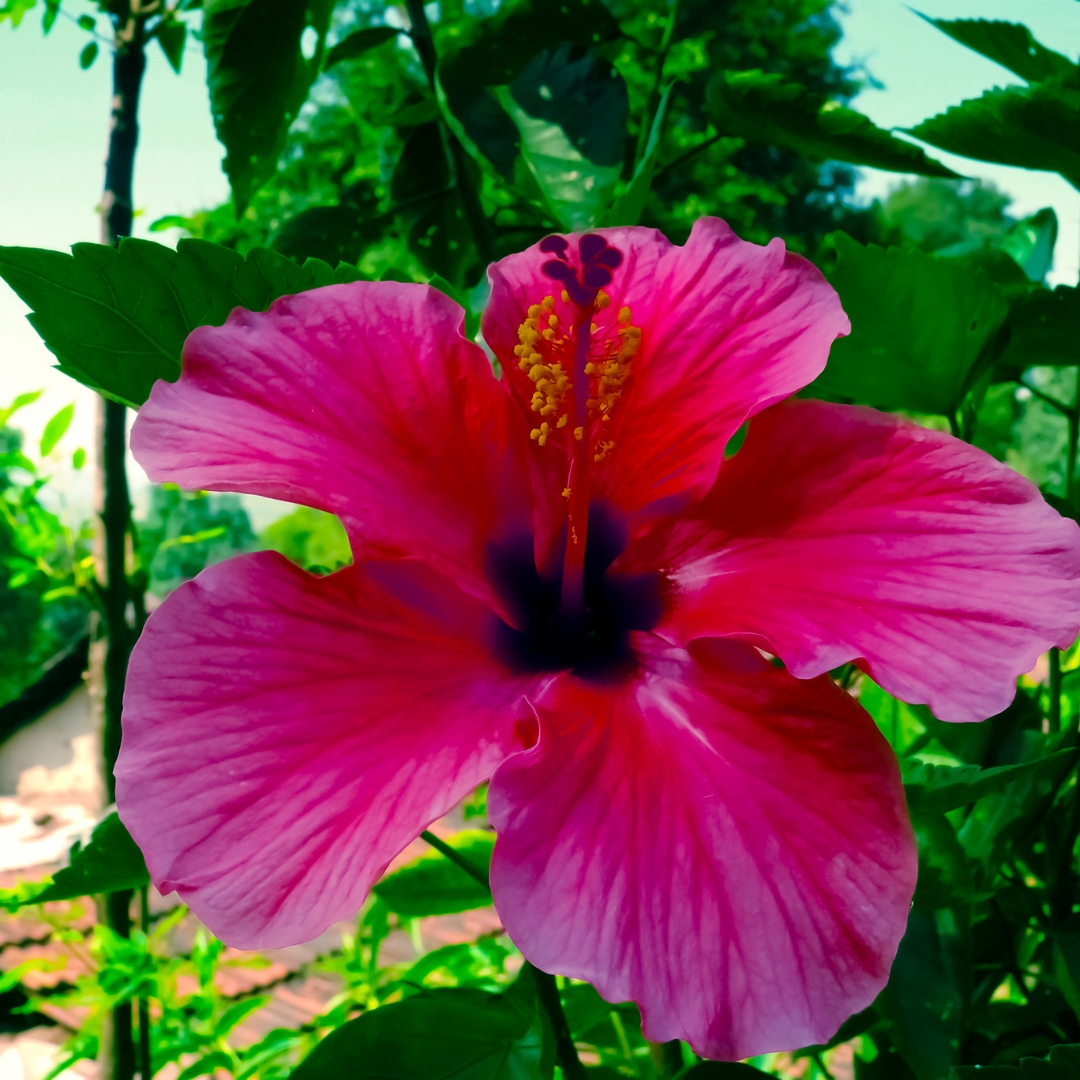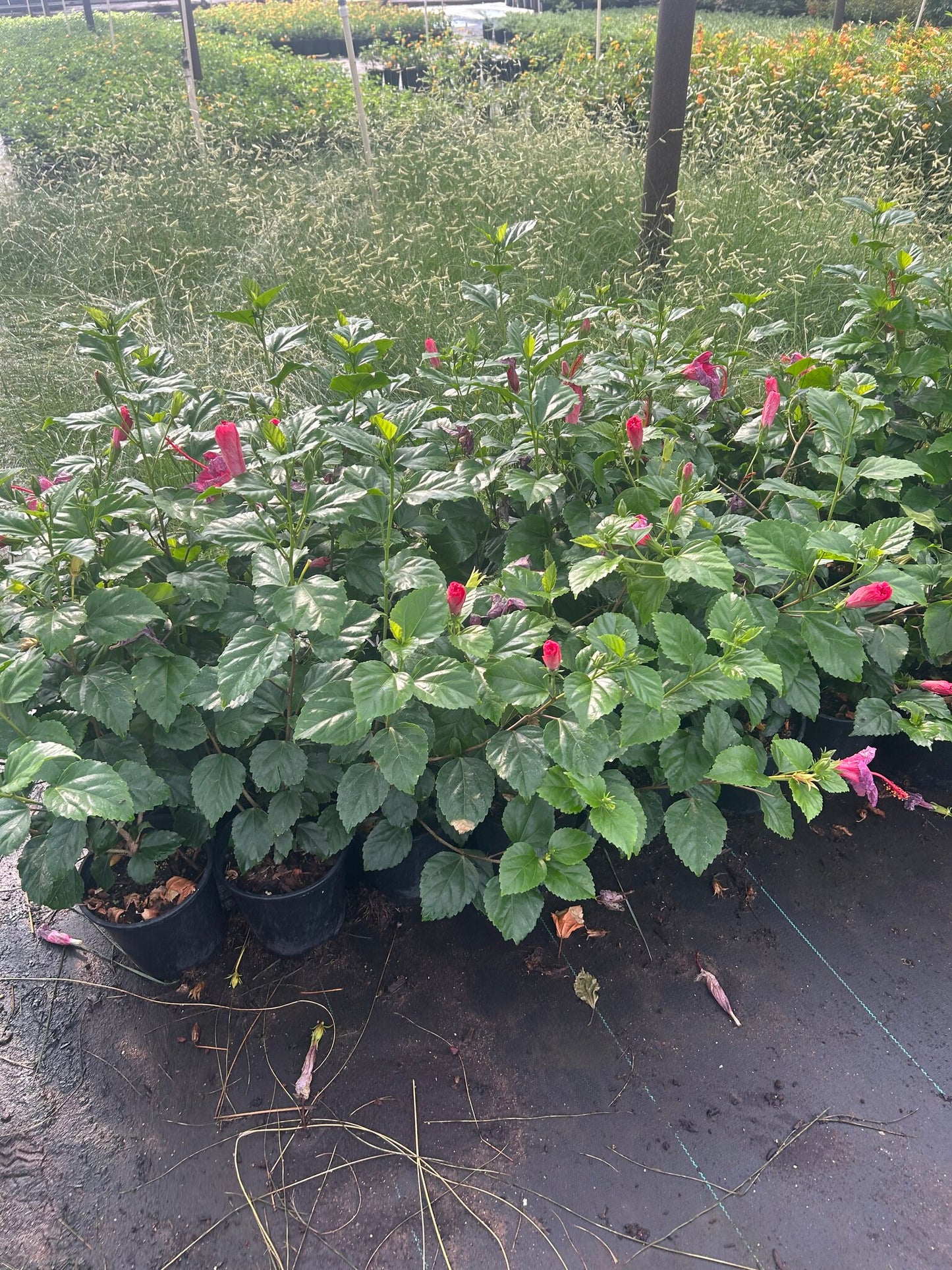


Pink Hibiscus
Pink Hibiscus
Couldn't load pickup availability
Plant Type: shrub
Plant Height: 4-8 feet
Spread: 3-6 feet
Flower Color: pinkSun Exposure: Full Sun, Partial Shade
Hibiscus 'Double Pink': An Elegant Tropical Bloom with Intricate Layers
Hibiscus 'Double Pink' (Hibiscus rosa-sinensis) is a stunning variety known for its lavish, double-layered pink flowers that bring an extra touch of luxury and texture to any garden. Unlike single-flowered varieties, this tropical shrub stands out with its lush, multi-petaled blooms and glossy green foliage, making it a top choice for gardeners seeking exotic elegance.
Key Features of Hibiscus 'Double Pink'
-
Opulent Blooms: The double flowers are the centerpiece of this variety, featuring multiple layers of rich pink petals that create a fuller, more intricate bloom. This luxurious flower form adds depth and visual interest, making it an eye-catching addition to any landscape. These blooms appear from late spring through fall, offering a long season of color and charm.
-
Bushy, Upright Growth: Reaching about 4 to 8 feet in height and 3 to 6 feet in width, 'Double Pink' Hibiscus has a dense, upright habit. This makes it a versatile choice for use as a specimen plant, an attractive hedge, or as part of a tropical mixed border.
Ideal Growing Conditions
For optimal growth and flowering, plant Hibiscus 'Double Pink' in:
-
Light: Full sun to partial shade, with full sun encouraging more prolific blooms. Partial shade is beneficial in hotter climates to help prevent leaf scorch.
-
Soil: Well-draining, fertile soil is essential. Amending the soil with compost can improve drainage and provide nutrients to support healthy growth.
-
Watering: This hibiscus appreciates consistent moisture, especially during dry periods, to maintain lush foliage and abundant blooms. Although relatively drought-tolerant once established, regular watering is ideal for the best flowering.
-
Fertilization: Applying a balanced, slow-release fertilizer during the growing season helps sustain blooming and encourages lush foliage.
Landscaping Uses
Hibiscus 'Double Pink' adds a tropical flair and can be incorporated into various landscaping designs:
-
Specimen Plant: With its striking double flowers and dense growth, 'Double Pink' is perfect for making a bold statement in garden beds or at focal points.
-
Hedges and Borders: Its bushy form and evergreen foliage provide year-round structure, making it ideal for hedges or borders in garden designs.
-
Container Gardening: Suitable for large containers, this hibiscus can be easily moved to highlight patios, decks, and other outdoor living spaces. In cooler regions, containers also allow it to be brought indoors during winter.
Care and Maintenance
Hibiscus 'Double Pink' is relatively low-maintenance but will thrive with a few simple care practices:
-
Pruning: Light pruning in early spring helps maintain the shape and encourages more blooms. Deadheading spent flowers will keep the plant looking fresh.
-
Pest Monitoring: While generally hardy, periodic checks for common pests, like aphids or spider mites, help maintain plant health.
-
Winter Protection: In colder climates, growing in a container or using a winter cover can protect it from frost damage, helping the plant last for many years.
Summary
Hibiscus 'Double Pink' offers both beauty and practicality with its show-stopping double blooms, easy care, and versatility in the landscape. Whether planted in the ground or in containers, this variety delivers a touch of tropical elegance and vibrant color, perfect for creating eye-catching displays in any garden. With its luxurious blooms and adaptability to various settings, 'Double Pink' is a top choice for gardeners looking to enhance their outdoor spaces with year-round beauty and exotic flair.
Three Timbers Installation Guide (Feel Free to Follow): Hibiscus Double Pink
Planting Guide:
- Location: Full sun (at least 6 hours of direct sunlight for optimal growth and blooming)
- Soil: Well-drained, loamy or sandy soil (slightly acidic to neutral soil preferred)
- Spacing: Space plants 3-4 feet apart to accommodate their bushy, full growth
- Planting Depth: Plant at the same depth as the root ball, ensuring the top of the root ball is level with the surrounding soil surface
- Support: Hibiscus Double Pink requires no staking and grows into a bushy shrub with striking double pink blooms
Watering Guide:
Watering After Planting:
- Initial Watering: Water thoroughly immediately after planting to saturate the root ball and surrounding soil
- Frequency: Water every 3-4 days for the first 2-3 weeks to help establish the root system
- Watering Amount: Provide 1.5-2 inches of water per session for deep watering
When is the Plant Established?
- Timeframe: Hibiscus Double Pink is considered established after 2-3 months when the roots have spread into the surrounding soil
Watering Once Established:
- Summer: Water every 7-10 days during the hotter months. If temperatures exceed 100°F, increase watering to every 5-7 days. Provide 2-3 inches of water per session.
- Winter: Water every 3-4 weeks during the cooler months, depending on rainfall.
Drip Irrigation Setup:
- Placement of Emitters: Place the drip emitters 12-18 inches away from the base of the plant to ensure deep watering
- Flow Rate: Use emitters with a flow rate of 1-2 gallons per hour for slow, deep watering
- Number of Emitters: 1 emitter per plant for even watering distribution
- Adjusting Frequency: In summer, increase watering frequency to every 5-7 days. In winter, reduce to every 3-4 weeks
How Many Pink Hibiscus Do I Need?
Pink Hibiscus works as a single specimen or massed into a loose tropical hedge. For a continuous hedge or border, space plants about 3.5 feet apart on center so the bushy 3 to 6 foot canopies grow together. Use this as a starting guide:
| Hedge / border length | Plants needed (3.5 ft spacing) |
|---|---|
| 10 ft | 3 plants |
| 20 ft | 6 plants |
| 40 ft | 12 plants |
As a single focal-point shrub in a bed or large container, one well-placed plant carries the show on its own.
Pink Hibiscus Season-by-Season in Phoenix
- Spring (Feb–Apr): New growth pushes out and the first double-pink blooms open in late spring. Plant once nighttime frost danger has passed.
- Summer (May–Sep): Peak bloom right through summer. Give it filtered or afternoon shade against the hottest west- and south-facing reflected heat to prevent leaf scorch, and keep the soil consistently moist. Monsoon humidity (Jul–Sep) suits this tropical well.
- Fall (Oct–Nov): Flowering continues into fall. A good planting window while soil is still warm and before the first cold nights.
- Winter (Dec–Jan): This is a tender tropical. It can show damage when temperatures drop below the low 30s°F, so cover it on frost nights or grow it in a container you can move to shelter. After a hard freeze it often defoliates and then resprouts in spring.
At a Glance
✔ Evergreen ✔ Pollinator-Friendly ✔ Hummingbird-Friendly ✔ Low-Maintenance
Plant It With
- Hibiscus Dark Pink: a deeper-toned tropical hibiscus that extends the same lush color palette.
- Florida Sunset Hibiscus: warm sunset tones that layer beautifully in a tropical border.
- President's Red Hibiscus: bold red blooms for striking contrast against the soft pink.
- Tropical Bird of Paradise: dramatic orange-and-blue flowers and bold foliage for a resort-style poolscape.
Is Pink Hibiscus Right for Your Yard?
It is a fit for a sheltered, frost-protected spot with full morning sun, afternoon shade in peak summer, fertile well-draining soil, and regular water: tropical borders, patio beds, and large containers near a pool. It is not a fit for an unwatered low-desert xeriscape or an exposed west-facing wall, where reflected heat scorches the leaves and winter frost will damage the plant; for those spots choose a tougher desert shrub instead.
Share