
Golden Dorsett Apple Tree
Golden Dorsett Apple Tree
Couldn't load pickup availability
The Best Low-Chill Apple Tree for Phoenix Backyards
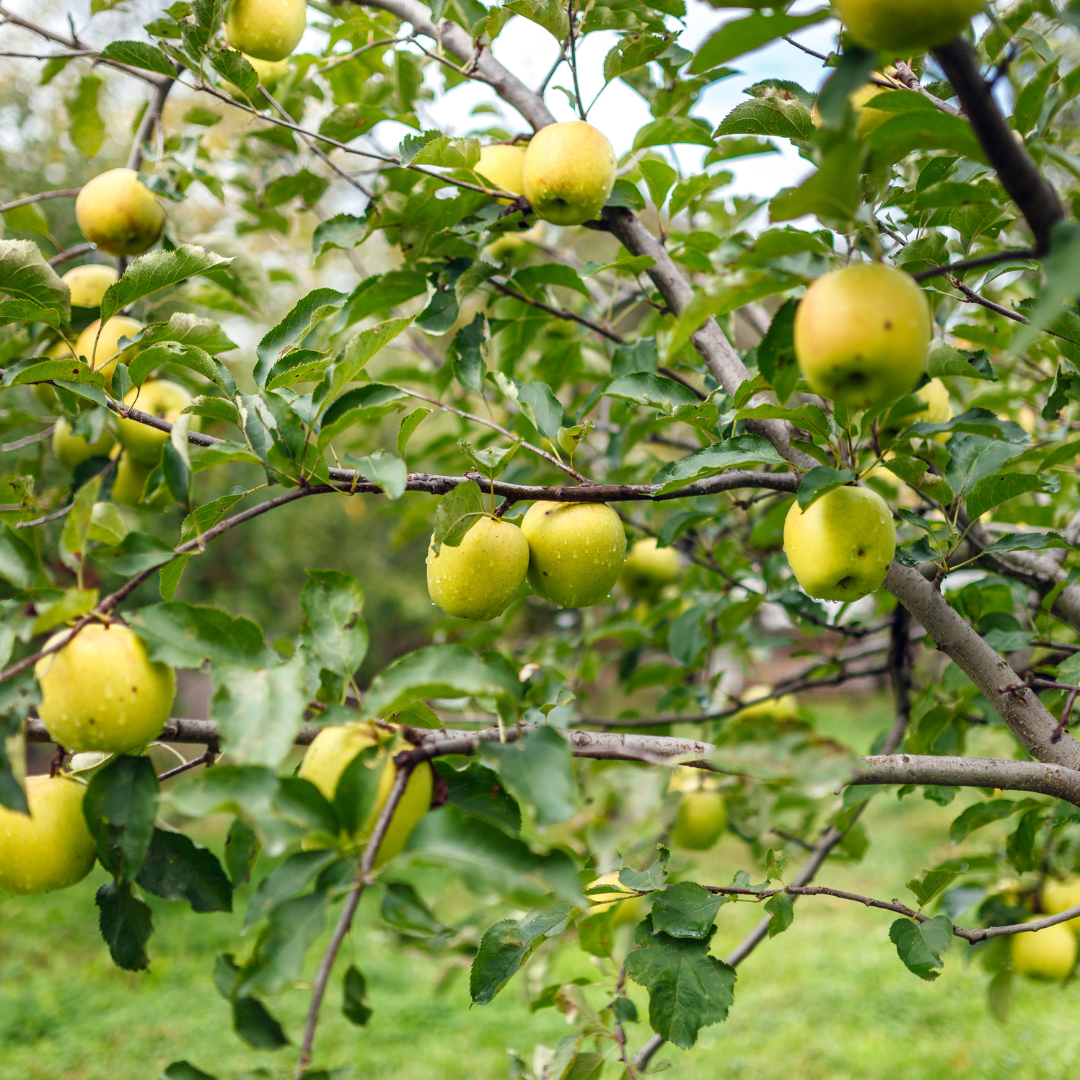
Malus domestica 'Golden Dorsett' is the go-to apple tree for Phoenix Valley homeowners who want to grow real apples in the desert. Unlike most apple varieties that need 600+ chill hours, Golden Dorsett requires only 100–200 chill hours — perfectly matched to Phoenix's mild winters. This warm-climate champion produces sweet, golden-yellow fruit with a crisp texture that rivals anything you'd find at the grocery store. Growing 10–25 feet tall with a spreading canopy, Golden Dorsett doubles as a beautiful shade tree that produces a heavy harvest every spring. Whether you're starting a backyard orchard in Scottsdale, adding edible landscaping in Chandler, or looking for a unique fruit tree in Mesa — Golden Dorsett Apple proves that yes, you can grow apples in Arizona.
Golden Dorsett Apple Tree Plant Details
| Attribute | Detail |
|---|---|
| Scientific Name | Malus domestica 'Golden Dorsett' |
| Common Names | Golden Dorsett Apple, Dorsett Golden Apple |
| Mature Height | 10–25 feet (depending on rootstock) |
| Mature Width | 10–20 feet |
| Growth Rate | Moderate — 1–2 feet per year in Phoenix |
| Sun | Full sun (6+ hrs). Needs good sun exposure for best fruit production. |
| Water | Moderate. Regular deep watering for fruit production. |
| USDA Zones | 5–9 (Phoenix is Zone 9b–10a) |
| Soil | Well-draining. Adapts to Arizona caliche soils with proper planting. |
| Foliage | Deciduous — drops leaves in winter, beautiful spring blooms |
| Chill Hours | 100–200 hours (ideal for Phoenix's mild winters) |
| Fruit Season | Late May through June in Phoenix |
| Fruit Color | Golden yellow when ripe |
Golden Dorsett Apple Uses in Phoenix Landscapes
Backyard Orchard
Golden Dorsett is the cornerstone of any Phoenix backyard fruit orchard. Plant alongside Anna Apple (its best pollination partner), Bonanza Peach, and Edible Fig for a diverse harvest from spring through fall. One mature Golden Dorsett can produce 50–100+ pounds of fruit per season, making it an incredible investment for fresh eating, baking, and cider.
Edible Shade Tree
With its spreading 10–20 foot canopy, Golden Dorsett provides excellent shade for patios and outdoor living areas in Gilbert and Tempe. Plant on the west or south side of your yard to block afternoon sun while producing delicious fruit. The spring blooms are beautiful, and the deciduous habit lets winter sun through when you want the warmth.
Teaching & Family Gardens
Few things excite kids more than picking apples from their own backyard tree. Golden Dorsett's manageable size and reliable fruiting make it perfect for family gardens in Peoria and Glendale. The tree produces fruit within 2–3 years of planting a nursery-sized specimen, so your family won't wait long for that first harvest.
Best Time to Plant Golden Dorsett Apple in Phoenix
Winter (December–February) is the ideal planting window for deciduous fruit trees in Phoenix. The tree is dormant, so transplant stress is minimal and roots can establish before spring growth begins. Fall (November) is also good. Avoid planting in summer — the combination of heat stress and active growth makes establishment much harder.
How to Plant Golden Dorsett Apple
- Dig wide, not deep — 2–3x the root ball width, same depth. Apple roots spread laterally.
- Check for caliche — break through any hardpan layer to ensure drainage. Standing water kills apple roots.
- Backfill with native soil — a 20% compost blend improves soil biology without retaining excess moisture.
- Plant at the right height — the graft union must sit 4–6 inches above soil level. Never bury it.
- Water basin — build a 3–4 inch ring to direct water to the root zone.
- Mulch — 3–4 inches of bark mulch around the base (keep 6 inches from trunk) to regulate soil temperature and retain moisture.
Watering Golden Dorsett Apple in Phoenix
First Year Watering Schedule
- Weeks 1–2: Every 1–2 days, deep and slow (30–45 min with drip)
- Month 1–3: Every 3–4 days
- Month 3–6: Every 5–7 days
- After Year 1: Every 7–10 days in summer; every 14–21 days in winter
Drip Irrigation
Place 2–3 emitters 18–24 inches from the trunk, each delivering 2–4 GPH. As the tree grows, move emitters outward toward the drip line. Consistent deep watering during fruit development (March–May) is critical for good apple size and flavor. Reduce watering after harvest.
Do I need a pollinator for Golden Dorsett Apple?
Golden Dorsett is partially self-fertile, meaning it can produce some fruit on its own. However, planting an Anna Apple nearby dramatically increases fruit set and yield. The two varieties are classic pollination partners for low-chill climates.
When do Golden Dorsett Apples ripen in Phoenix?
Expect ripe fruit from late May through June — much earlier than traditional apple regions. The early harvest is one of the best perks of growing low-chill apples in Phoenix. Fruit is ready when it turns golden yellow and gives slightly to gentle pressure.
How many chill hours does Phoenix get?
Phoenix typically accumulates 200–400 chill hours per winter, depending on the year. Golden Dorsett needs only 100–200 chill hours, making it one of the most reliable apple varieties for our climate. Even in warm winters, it consistently produces fruit.
Can Golden Dorsett handle Phoenix summer heat?
Yes, with proper watering and some afternoon shade protection for young trees. Mature trees handle full Phoenix sun well. Whitewashing the trunk with diluted latex paint can prevent sunburn on the bark during the first few summers.
You May Also Like
- Anna Apple Tree — Golden Dorsett's ideal pollination partner for maximum fruit production
- Bonanza Peach Tree — low-chill peach tree perfect for Phoenix backyards
- Edible Fig Tree — no-fuss fruit tree that loves Arizona heat
- Flame Grapefruit — ruby-red citrus for year-round Phoenix fruit production
- Eureka Lemon — classic backyard lemon tree for Phoenix orchards
Share