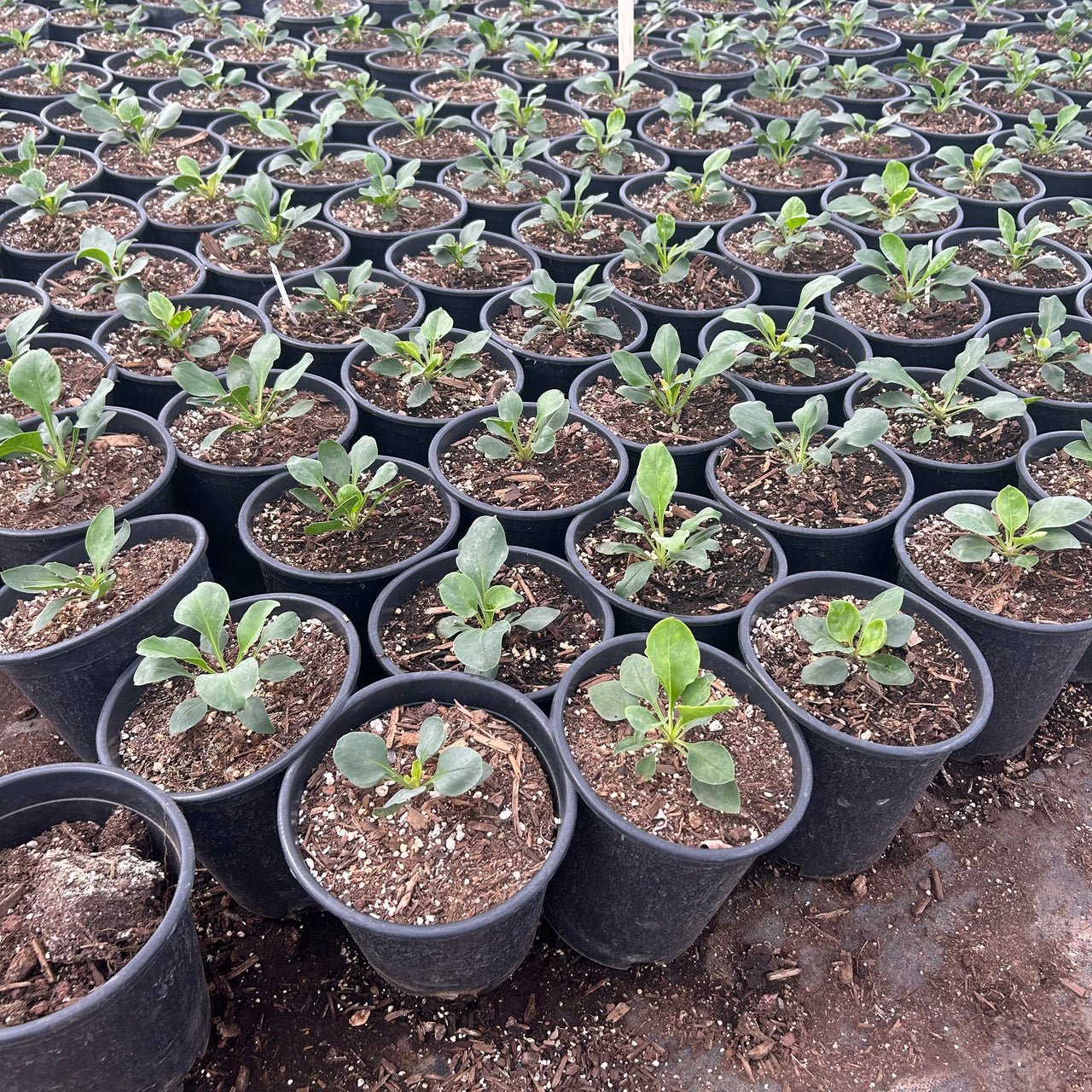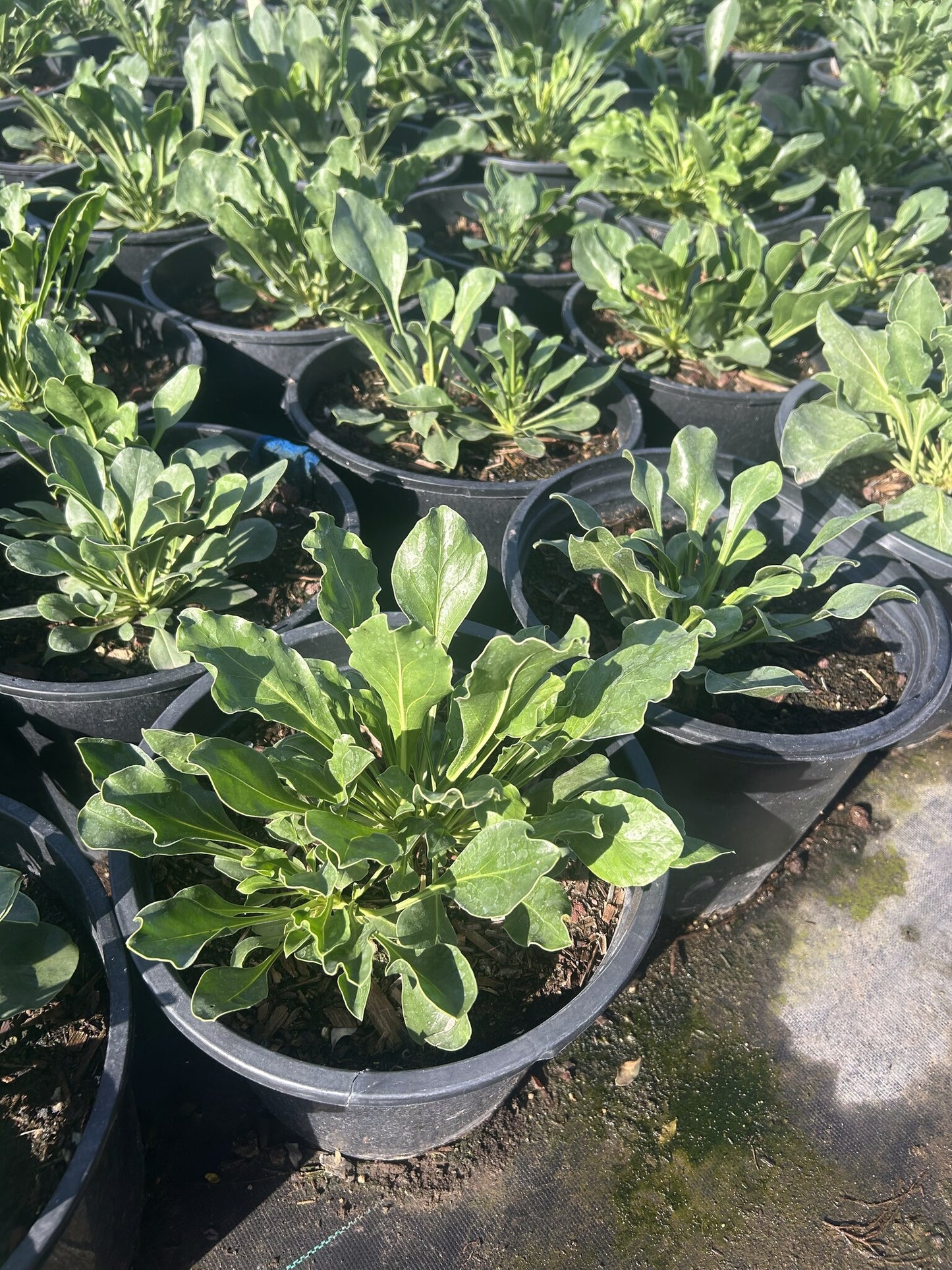


Firecracker Penstemon
Firecracker Penstemon
Couldn't load pickup availability
Phoenix's #1 Hummingbird Wildflower — Bright Red & Bulletproof
Firecracker Penstemon (Penstemon eatonii) is the ultimate hummingbird magnet for Phoenix Valley gardens. Tall spikes of brilliant scarlet-red tubular flowers shoot up 2–4 feet in early spring, drawing hummingbirds from blocks away. This rugged Sonoran Desert native thrives in full sun, laughs at reflected heat, handles rocky caliche soil, and needs virtually no water once established. Whether you're creating a Scottsdale hummingbird sanctuary, adding fiery red accents to a Chandler desert border, or naturalizing a Mesa hillside with native wildflowers — Firecracker Penstemon is the showpiece that delivers the most hummingbird action for the least work.
Firecracker Penstemon Plant Details
| Attribute | Detail |
|---|---|
| Scientific Name | Penstemon eatonii |
| Common Names | Firecracker Penstemon, Eaton's Penstemon, Firecracker Flower |
| Mature Height | 2–4 feet (flower spikes) |
| Mature Width | 1–2 feet |
| Growth Rate | Fast — blooms first spring from a gallon container |
| Sun | Full sun (6+ hrs). Handles reflected heat from walls and pavement. |
| Water | Very low once established. Extremely drought-tolerant. |
| USDA Zones | 4–10 (Phoenix is Zone 9b–10a) |
| Soil | Well-draining. Thrives in Arizona caliche and rocky desert soils. |
| Foliage | Semi-evergreen — green basal rosette persists year-round |
| Bloom Color | Bright scarlet red |
| Bloom Season | February through May |
Firecracker Penstemon Uses in Phoenix Landscapes
Hummingbird Gardens
Firecracker Penstemon is hands-down the best hummingbird plant you can grow in the Phoenix Valley. The long, narrow scarlet tubes are engineered for hummingbird bills, and a mass planting of 5–10 plants creates an irresistible spring feeding station. Pair with Chuparosa, Desert Milkweed, and Canyon Penstemon for year-round hummingbird appeal in Tempe, Gilbert, or Peoria.
Desert Wildflower Borders
Plant Firecracker Penstemon in drifts of 3–7 along walkways, driveways, or property edges for a blazing red wildflower display. The vertical red flower spikes make a striking contrast against yellow-blooming companions like Yellow Bells, Angelita Daisy, or Brittlebush. Space plants 18–24 inches apart.
Rock Gardens & Natural Desert Slopes
Firecracker Penstemon looks perfectly at home among boulders, decomposed granite, and native desert plantings. It self-sows gently, creating natural-looking colonies on slopes and in rock features — ideal for low-maintenance desert landscapes in Queen Creek, Fountain Hills, or Cave Creek.
Best Time to Plant Firecracker Penstemon in Phoenix
Fall (October–November) is ideal — warm soil and cool air promote fast root establishment before the spring bloom season. Plant in fall and you'll get a full show of red flowers the very first spring. Spring planting works but expect lighter blooms the first year. Avoid summer planting.
How to Plant Firecracker Penstemon
- Dig wide, not deep — 2–3x the root ball width, same depth
- Check for caliche — break through any hardpan layer for drainage
- Backfill with native soil — no amendments needed; rich soil causes leggy, weak growth
- Spacing — 18–24 inches apart for mass plantings; 2 ft for individual accents
- Water basin — build a 3–4 inch ring to direct water to roots
- Mulch — 2–3 inches of gravel mulch to mimic natural desert conditions
Watering Firecracker Penstemon in Phoenix
First Year Watering Schedule
- Weeks 1–2: Every 2–3 days, deep and slow
- Month 1–2: Every 4–5 days
- Month 3–6: Every 7–10 days
- After Year 1: Every 2–3 weeks summer; rainfall only in winter
Drip Irrigation
Place one 1 GPH emitter 6–12 inches from the base. Firecracker Penstemon is extremely drought-tolerant once established — overwatering is the most common cause of decline. Keep it lean and dry for the healthiest, most floriferous plants.
How fast does Firecracker Penstemon grow?
Very fast. A 1-gallon plant reaches blooming size within one growing season and flowers heavily the following spring.
Does Firecracker Penstemon attract hummingbirds?
It's the single best hummingbird plant in the Phoenix Valley. The bright red tubular flowers are perfectly shaped for hummingbird feeding, and a group planting can attract multiple hummingbirds daily during peak bloom.
What's the difference between Firecracker Penstemon and other penstemons?
Firecracker Penstemon has bright scarlet-red flowers, while Parry's Penstemon blooms magenta-pink and Canyon Penstemon is deep rose. All three are excellent hummingbird plants and look spectacular planted together for a multi-color penstemon display.
Is Firecracker Penstemon deer resistant?
Yes. Deer and rabbits generally leave penstemons alone, making them excellent choices for landscapes where wildlife browsing is a concern.
You May Also Like
- Parry's Penstemon — Magenta-pink blooms. Pair with Firecracker for a red-and-pink spring display.
- Canyon Penstemon — Deep rose flowers. The third member of the ultimate penstemon trio.
- Chuparosa — Orange tubular blooms year-round. Extends hummingbird season beyond spring.
- Desert Milkweed — White flower clusters that attract butterflies and monarchs.
How Many Firecracker Penstemon Do I Need?
Firecracker Penstemon stays 1 to 2 feet wide (with taller flower spikes), so space plants 18 to 24 inches apart. Penstemons look best massed in drifts rather than as single dots. Use this guide:
| Planting | Plants Needed (at 20 in spacing) |
|---|---|
| Small accent drift | 3 to 5 plants |
| 10 ft border | 6 plants |
| 25 sq ft bed | 9 to 11 plants |
| 50 sq ft mass | 18 to 22 plants |
Plant in odd-numbered groups of 3, 5, or 7 for the most natural wildflower look, and it will gently self-sow to fill in over the years.
Firecracker Penstemon Season-by-Season in Phoenix
- Spring (Feb to Apr): The main event. Tall scarlet spikes erupt and pull in hummingbirds for weeks. Peak show from a fall planting.
- Summer (May to Sep): Bloom finishes by late spring; the green basal rosette holds through the heat on very little water. Keep it lean and dry, especially through monsoon humidity, to avoid crown rot.
- Fall (Oct to Nov): Best planting season. Roots establish in warm soil for a full first-spring bloom.
- Winter (Dec to Jan): Evergreen basal rosette persists. Extremely cold-hardy (rated to zone 4), so Valley frost is no concern.
At a Glance
✔ Arizona Native ✔ Pollinator-Friendly ✔ Hummingbird-Friendly ✔ Heat-Loving (Reflected-Heat Tolerant) ✔ Drought-Tolerant ✔ Low-Maintenance ✔ Deer & Rabbit-Resistant ✔ Cold-Hardy to -20°F
Plant It With
- Canyon Penstemon: deep-rose spikes that complete a multi-color penstemon trio.
- Chuparosa: red tubular blooms that extend the hummingbird season past spring.
- Desert Milkweed: a native that pulls in butterflies and monarchs alongside the hummingbirds.
- Brittlebush: golden daisies that contrast the scarlet spikes in a native drift.
Is Firecracker Penstemon Right for Your Yard?
Firecracker Penstemon thrives in full sun and reflected heat with lean, fast-draining, rocky or caliche soil. It is the top pick for hummingbird gardens, native wildflower borders, and rock gardens on almost no water. It is not a fit for shaded spots or rich, frequently watered beds, where it grows leggy and rots. It is also a short-lived perennial that relies on self-sowing, so leave a few spent spikes to set seed.
Share