

Deer Grass
Deer Grass
Couldn't load pickup availability
Arizona's Favorite Native Ornamental Grass — Deer Grass
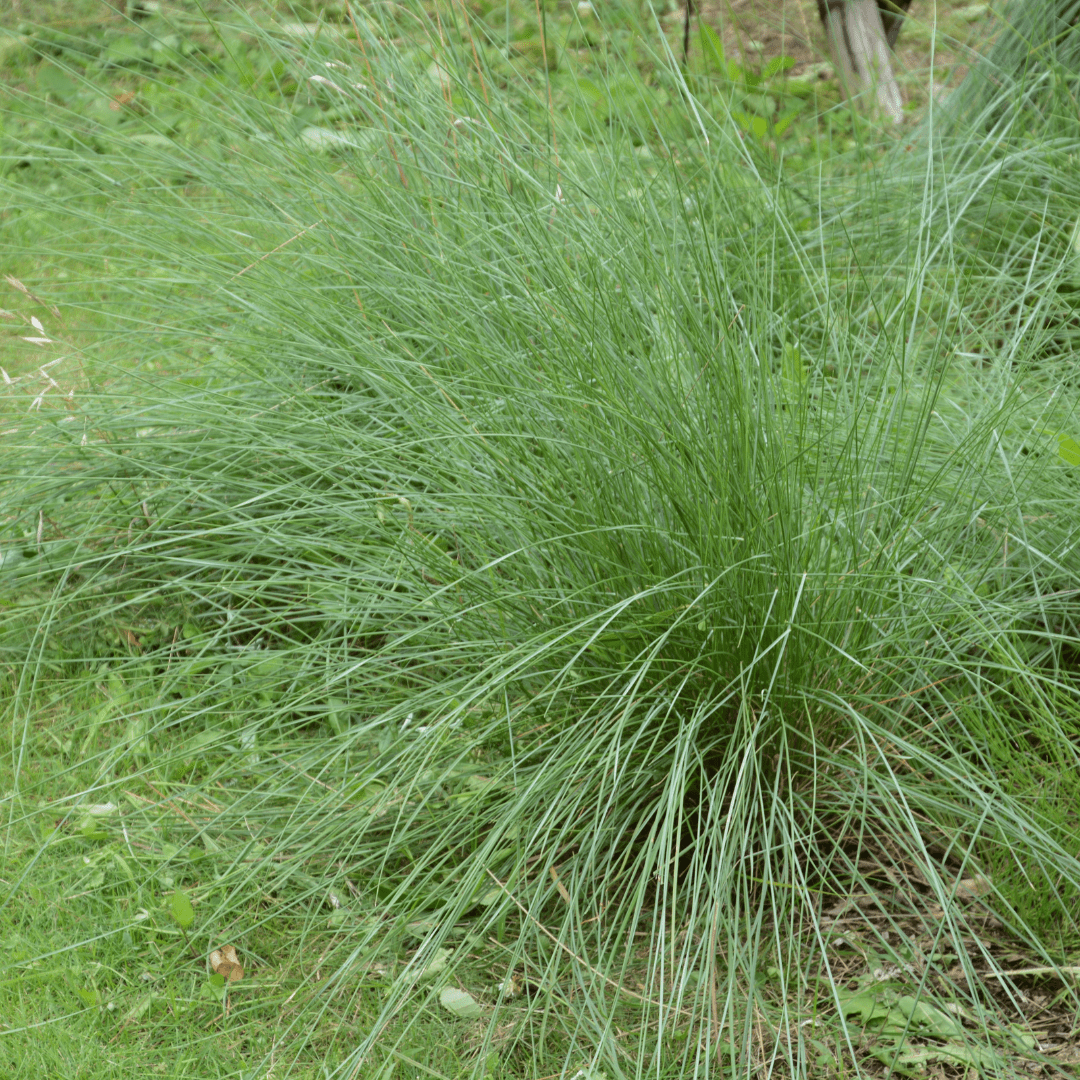
Deer Grass (Muhlenbergia rigens) is the Southwest's most versatile and beloved native ornamental grass. Its graceful, fountain-like clumps of long, arching green blades create effortless movement and texture in any landscape — year-round, with zero fuss. Native to Arizona, California, and New Mexico, it's built for Phoenix heat and thrives on minimal water once established. Whether you're designing a water-wise border in Scottsdale, a naturalistic native garden in Mesa, a low-maintenance slope in Gilbert, or a modern desert landscape in Peoria — Deer Grass delivers elegant structure season after season.
Deer Grass Plant Details
| Attribute | Detail |
|---|---|
| Scientific Name | Muhlenbergia rigens |
| Common Names | Deer Grass, Deergrass, Deer Muhly |
| Mature Height | 2–4 feet |
| Mature Width | 2–4 feet |
| Growth Rate | Moderate — 1–2 feet per year in Phoenix |
| Sun | Full sun to partial shade (6+ hrs ideal). Handles reflected heat well. |
| Water | Low once established. Highly drought-tolerant native grass. |
| USDA Zones | 6–11 (Phoenix is Zone 9b–10a) |
| Soil | Well-draining. Adapts readily to Arizona caliche soils. |
| Foliage | Semi-evergreen — stays green most of the year in Phoenix |
| Flower Spikes | Tall, feathery tan spikes in late summer through fall |
| Native Status | Native to the Southwestern United States |
Deer Grass Uses in Phoenix Landscapes
Water-Wise Borders and Mass Plantings
Deer Grass is one of the top choices for low-water borders throughout the Phoenix Valley. Its soft, flowing form creates a striking contrast with bold desert succulents and provides a lush, green backdrop even in the driest months. For a full border effect, space plants 3–4 feet apart; for a mass planting on slopes or large areas, plant 4–5 feet apart in staggered rows.
Modern Desert and Naturalistic Design
Few plants work as well in contemporary desert landscape design as Deer Grass. Its clean, architectural form pairs beautifully with decomposed granite, concrete, boulders, and steel edging — a staple in Scottsdale's most sought-after modern landscapes. Plant alongside Desert Spoon, Agave, and Red Bird of Paradise for a striking layered composition.
Slope Stabilization and Erosion Control
Deer Grass has an extensive, deep root system that makes it excellent for stabilizing slopes, berms, and hillsides common in Phoenix Valley subdivisions. It controls erosion on challenging Arizona terrain while looking beautiful — far better than most alternatives. No irrigation system required once established on established slopes.
Wildlife and Pollinator Habitat
The seed heads of Deer Grass are an important food source for birds — particularly finches and sparrows — throughout fall and winter. Its dense clumps also provide valuable nesting cover. Pair it with Red Yucca and Desert Marigold to create a complete native wildlife garden that supports Arizona's birds and pollinators year-round.
Best Time to Plant Deer Grass in Phoenix
Fall (October–November) is the ideal planting window — warm soil promotes rapid root establishment, cooler air reduces transplant stress, and plants get 6–8 months to anchor before their first Phoenix summer. Spring (February–April) is a strong second option. Avoid summer planting when possible, as establishment requires daily watering in extreme heat.
How to Plant Deer Grass
- Dig wide, not deep — 2–3x the width of the root ball, same depth as the container.
- Check for caliche — break through any hardpan layer with a pick or chisel to ensure water drains freely.
- Backfill with native soil — minimal amendment needed; a 10–20% organic mix is fine.
- Spacing — 3–4 ft apart for borders; 4–5 ft for mass plantings on slopes.
- Water basin — build a 3–4 inch earthen ring to concentrate irrigation at the root zone.
- Mulch — apply 2–3 inches of gravel or decomposed granite mulch around (not over) the crown.
Watering Deer Grass in Phoenix
First Year Watering Schedule
- Weeks 1–2: Every 1–2 days, deep and slow (20–30 min)
- Month 1–2: Every 3–4 days
- Month 3–6: Every 7–10 days (every 5–7 days during peak summer)
- After Year 1: Every 10–14 days in summer; every 3–4 weeks in winter — or survive on rainfall alone
Drip Irrigation
Place 1–2 GPH emitters 12–18 inches from the plant crown. Once established, Deer Grass is remarkably self-sufficient and can thrive on minimal supplemental water even through Phoenix's hottest summers.
How fast does Deer Grass grow in Phoenix?
Expect 1–2 feet of new growth per year under normal conditions. Plants typically reach their full 2–4 foot mature size within 2–3 years of planting from a 1-gallon container.
Should I cut back Deer Grass?
Yes — cut Deer Grass back hard (to 6–8 inches from the ground) in late February or early March. This removes old, tired growth and triggers a flush of fresh, lush new blades for spring. Without periodic cutting, clumps can become open and sparse in the center over time.
Is Deer Grass truly drought-tolerant once established?
Absolutely. Established Deer Grass is one of the most drought-tolerant ornamental grasses available for Phoenix landscapes. It can survive on natural rainfall alone in many parts of the Valley once its root system is fully developed — typically after the second growing season.
Can Deer Grass grow in shade?
Deer Grass grows well in partial shade (3–5 hours of sun) and actually appreciates some afternoon shade relief during Phoenix's most extreme summer heat. Full sun produces the best form and most flower spikes, but it's one of the few ornamental grasses that adapts gracefully to shadier spots.
Is it safe for pets?
Yes — Deer Grass is non-toxic to dogs, cats, and horses. It's a pet-friendly landscape choice and a top pick for families looking for safe, low-maintenance native plants throughout the Phoenix Valley.
You May Also Like
- Purple Fountain Grass — Showier burgundy-colored cousin; great companion planting for color contrast.
- Desert Spoon (Dasylirion) — Bold, spiky accent that pairs beautifully with Deer Grass's soft texture.
- Red Yucca — Native Arizona plant with tall coral flower spikes; perfect wildlife garden companion.
- Desert Marigold — Low, cheerful yellow blooms that complement Deer Grass in borders and mass plantings.
- Bull Grass — Larger native grass for big spaces; same low-water habit at a bigger scale.
How Many Deer Grass Do I Need?
Deer Grass forms a rounded clump 2 to 4 feet wide, so plan spacing around the mound rather than a clipped hedge. Use these groupings:
- Single specimen: Plant one as a soft focal clump among boulders, agaves, or desert spoon, leaving 3 to 4 feet of clear space so the arching blades show.
- Drift or mass: For a flowing native look, plant in odd-numbered groups of 3, 5, or 7 spaced 3 to 4 feet apart center to center.
- Slope or large area: Set plants 4 to 5 feet apart in staggered rows for erosion control and a meadow effect.
Deer Grass Season-by-Season in Phoenix
- Spring (Feb-Apr): Cut clumps back hard to 6 to 8 inches in late February, then watch a fresh flush of bright green blades fill in. Best second planting window.
- Summer (May-Sep): Holds its green fountain form straight through the heat and reflected warmth on very little water. Monsoon rains push strong new growth.
- Fall (Oct-Nov): Tall feathery tan flower spikes rise above the foliage and feed finches and sparrows. Prime planting season.
- Winter (Dec-Jan): Stays mostly green and structural through Valley winters and is cold-hardy well below freezing, so no frost protection is needed.
At a Glance
✔ Arizona Native ✔ Heat-Loving (Reflected-Heat Tolerant) ✔ Drought-Tolerant ✔ Evergreen ✔ Low-Maintenance ✔ Cold-Hardy to 0°F
Plant It With
- Bull Grass: a larger native muhly with the same low-water habit for big-scale companion drifts.
- Desert Spoon: a bold spiky rosette that contrasts beautifully with the soft grass texture.
- Red Yucca: a native accent with coral flower spikes that completes a low-water wildlife garden.
- Purple Fountain Grass: a burgundy fountain grass that adds color contrast beside the green blades.
Is Deer Grass Right for Your Yard?
It thrives in full sun to partial shade, takes reflected heat off walls and paving, and grows in almost any well-draining desert soil once caliche is opened up for drainage. It is exceptionally drought-tolerant and cold-hardy, so it suits low-water and low-effort yards across the Valley. It is not the right pick if you want a tidy clipped form without the one annual late-winter cutback, or if the spot stays constantly wet or boggy.
Share