

Angelita Daisy
Angelita Daisy
Compact yellow bloomer that flowers nearly year-round
Couldn't load pickup availability
Phoenix's Brightest Ground Cover — Blooms All Year Long
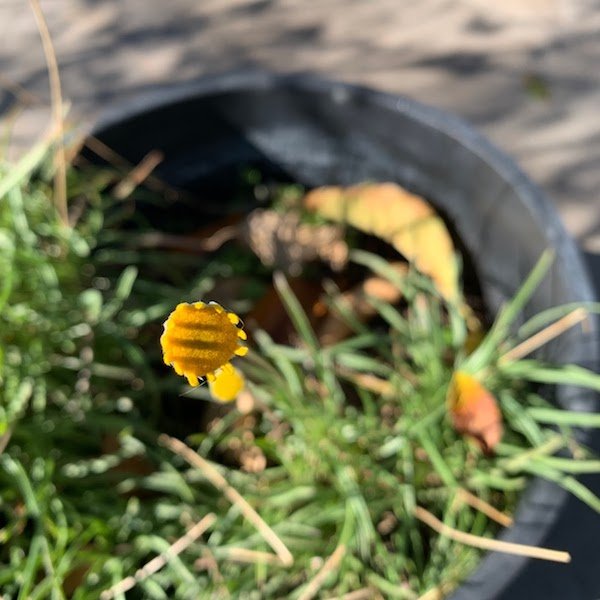
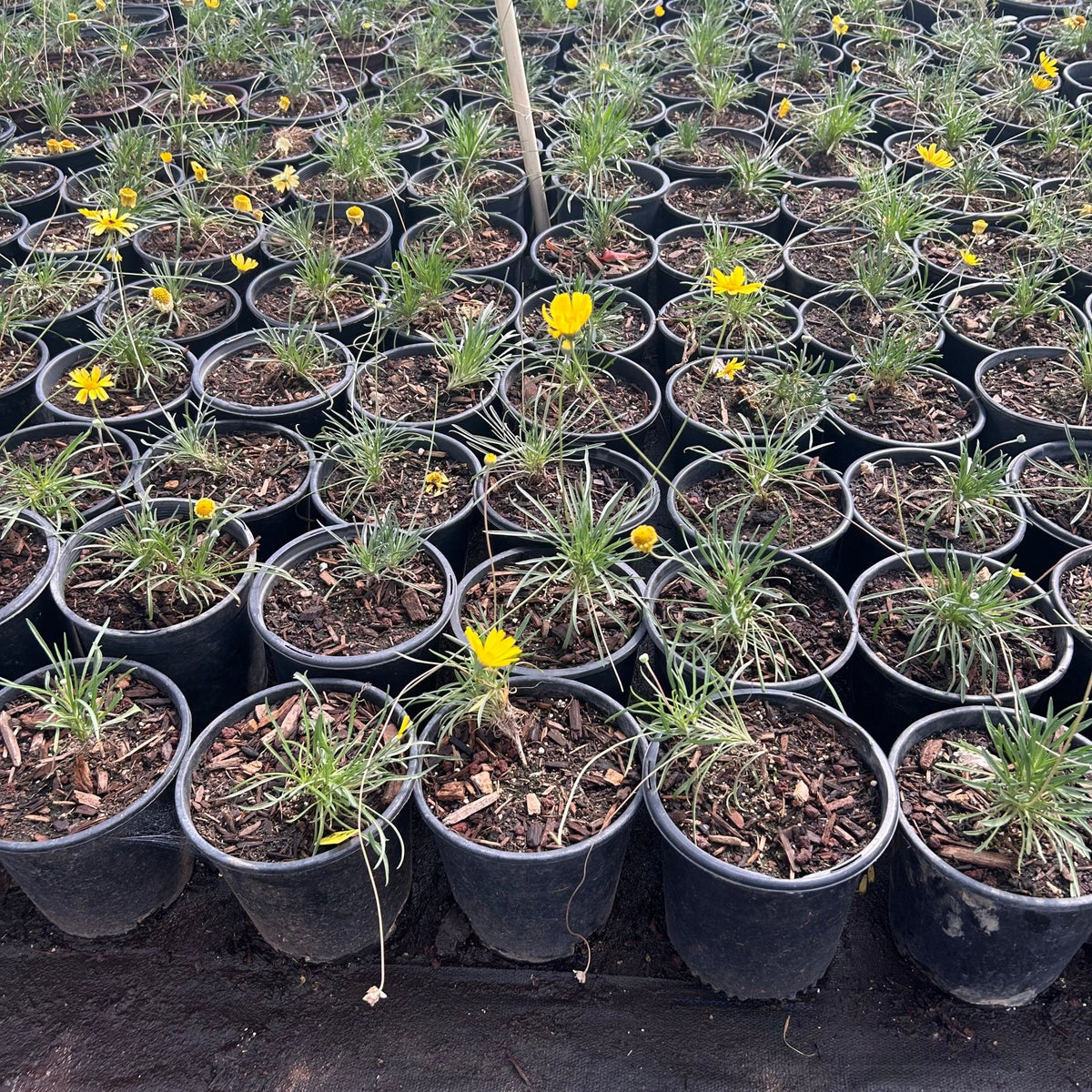
Angelita Daisy (Tetraneuris acaulis var. arizonica 'Angelita') is one of the most reliable blooming perennials you can plant in the Phoenix Valley. This compact, mounding ground cover explodes with cheerful yellow daisy-like flowers from spring through fall — and often blooms right through mild Phoenix winters. It stays low at 6–12 inches tall, laughs off triple-digit heat, and barely needs water once established. Whether you're filling a rock garden border in Scottsdale, lining a walkway in Mesa, or adding year-round color to a drought-tolerant landscape in Chandler — Angelita Daisy delivers nonstop curb appeal with almost zero effort.
Angelita Daisy Plant Details
| Attribute | Detail |
|---|---|
| Scientific Name | Tetraneuris acaulis var. arizonica 'Angelita' |
| Common Names | Angelita Daisy, Desert Daisy, Arizona Angelita |
| Mature Height | 6–12 inches |
| Mature Width | 6–12 inches |
| Growth Rate | Moderate — fills in quickly in Phoenix heat |
| Sun | Full sun (6+ hrs). Handles reflected heat from walls and pavement. |
| Water | Low once established. Highly drought-tolerant. |
| USDA Zones | 5–10 (Phoenix is Zone 9b–10a) |
| Soil | Well-draining. Thrives in Arizona caliche and rocky native soils. |
| Foliage | Evergreen — stays green year-round with fine, grass-like leaves |
| Bloom Color | Bright yellow daisy-like flowers, spring through fall (often year-round) |
Angelita Daisy Uses in Phoenix Landscapes
Year-Round Color for Rock Gardens & Borders
Angelita Daisy is the go-to perennial for adding a splash of bright yellow to rock gardens, gravel beds, and low border plantings throughout the Phoenix Valley. Its compact mounding habit stays tidy without pruning, and the continuous blooms keep your landscape looking alive even in the hottest months. Space plants 12–18 inches apart for a seamless carpet of color along walkways and garden edges.
Drought-Tolerant Ground Cover
If you need a low-water ground cover that actually flowers, Angelita Daisy is hard to beat. Once established, it survives on rainfall alone through mild Phoenix winters and needs only occasional deep watering in summer. Plant it as a living mulch under desert trees like Palo Verde or Mesquite, or mass-plant it to replace thirsty turf in water-wise landscape conversions.
Pollinator & Wildlife Gardens
The bright yellow blooms attract butterflies, native bees, and other pollinators from early spring through late fall. Pair Angelita Daisy with other Three Timbers pollinator favorites like Chuparosa, Desert Milkweed, and Penstemon for a low-water wildlife garden that buzzes with life year-round.
Best Time to Plant Angelita Daisy in Phoenix
Fall (October–November) is the ideal planting window. The soil is still warm enough to encourage rapid root growth, while cooler air temperatures reduce transplant stress. Your Angelita Daisy will have 6–8 months of root establishment before its first Phoenix summer. Spring (February–April) is a solid second-best window. Avoid planting in peak summer if possible — the transplant shock combined with extreme heat can slow establishment.
How to Plant Angelita Daisy
- Dig wide, not deep — hole should be 2–3x the root ball width, same depth as the container.
- Check for caliche — break through any hardpan layer to ensure drainage. Angelita Daisy will not tolerate standing water.
- Backfill with native soil — no amendments needed. A light 20% compost blend is fine but not required.
- Spacing — 12–18 inches apart for ground cover effect; 24 inches for individual specimen plants.
- Water basin — build a 3–4 inch soil ring around the plant to direct water to the root zone.
- Mulch — 2–3 inches of gravel or decomposed granite. Avoid heavy bark mulch that retains too much moisture around the crown.
Watering Angelita Daisy in Phoenix
First Year Watering Schedule
Weeks 1–2: Every 1–2 days, deep and slow (10–15 minutes per plant). Month 1–2: Every 3–4 days. Month 3–6: Every 7–10 days (every 5–7 days in peak summer). After Year 1: Every 10–14 days in summer; every 3–4 weeks in winter — or skip winter irrigation entirely if you get any rain.
Drip Irrigation
Place one 1-GPH emitter 6–8 inches from the plant base. For mass plantings, a drip line with emitters every 12–18 inches works well. Established Angelita Daisy needs very little supplemental water — overwatering is the fastest way to kill this plant.
How fast does Angelita Daisy grow in Phoenix?
Angelita Daisy fills in moderately fast. A 1-gallon plant will reach its full 12-inch spread within one growing season in Phoenix. Mass plantings spaced at 12–18 inches will form a solid carpet of yellow within 6–8 months.
Is Angelita Daisy drought tolerant?
Extremely. Once established (after the first growing season), Angelita Daisy can survive on rainfall alone through Phoenix winters and needs only occasional deep watering in summer. It's one of the most drought-tolerant flowering perennials available for Valley landscapes.
Can Angelita Daisy handle Phoenix summer heat?
Yes — Angelita Daisy thrives in full sun and handles reflected heat from walls, driveways, and pool decks without wilting. It may slow its blooming slightly in the peak of July–August but bounces right back as temperatures drop in September.
Does Angelita Daisy spread?
It forms a tidy mound and does not aggressively spread by runners. However, it self-seeds lightly, which helps fill in gaps naturally over time. Remove spent flowers if you want to control self-seeding.
You May Also Like
Chocolate Flower — Another low-growing yellow perennial with a sweet chocolate fragrance. Perfect companion for Angelita Daisy in rock gardens.
Desert Marigold — Bright yellow wildflower that pairs beautifully with Angelita for a double-yellow desert border.
Red Verbena — Add a pop of red contrast next to Angelita's yellow blooms for a vibrant low-water color combo.
Gaura White — Delicate white flowers that dance above Angelita Daisy for a layered meadow look.
Chuparosa — A hummingbird magnet that pairs well with Angelita in pollinator gardens.
How Many Angelita Daisy Do I Need?
Angelita Daisy mounds 6 to 12 inches wide, so space plants about 12 inches on center for a continuous carpet of yellow. Use the coverage guide to estimate your count:
| Bed area | Plants needed (12 in spacing) |
|---|---|
| 10 sq ft | 10 plants |
| 25 sq ft | 25 plants |
| 50 sq ft | 50 plants |
| 100 sq ft | 100 plants |
For a tidy walkway border, plan one plant every 12 inches. As single specimens in a rock garden, give each 18 to 24 inches of room.
Angelita Daisy Season-by-Season in Phoenix
- Spring (Feb to Apr): A heavy flush of yellow blooms and the prime second planting window. Fast root establishment in warming soil.
- Summer (May to Sep): Keeps flowering through triple-digit heat and reflected heat off walls and pavement. Bloom may slow slightly in peak July and August, then rebounds with monsoon moisture in September.
- Fall (Oct to Nov): The ideal planting season, and blooms continue strong. Warm soil plus cool air give roots a fast, low-stress start.
- Winter (Dec to Jan): Stays evergreen and often blooms straight through mild Valley winters. Cold-hardy well below freezing, so no frost protection is needed here.
At a Glance
✔ Arizona Native ✔ Pollinator-Friendly ✔ Heat-Loving (Reflected-Heat Tolerant) ✔ Drought-Tolerant ✔ Evergreen ✔ Pool-Friendly (Low-Litter) ✔ Low-Maintenance ✔ Cold-Hardy to -10°F
Plant It With
- Desert Marigold: a native yellow wildflower for a double-yellow desert border.
- Chuparosa: a red-flowered hummingbird magnet that pairs well in pollinator gardens.
- Green Euryops Daisy: larger yellow daisies that add height behind the low Angelita mounds.
- Brittlebush: a native silver-leaved shrub with yellow spring blooms for a layered desert look.
Is Angelita Daisy Right for Your Yard?
Angelita Daisy thrives in full sun and reflected heat, in well-draining caliche or rocky native soil, on very little water once established. It is ideal for rock gardens, gravel beds, low borders, and turf-replacement plantings. It is not a fit in soggy or heavily irrigated beds, where the crown is prone to rot, or in deep shade, where blooming drops off.
Share