
Apache Plume
Apache Plume
Couldn't load pickup availability
A Feathery Native Shrub That Thrives on Neglect in Phoenix
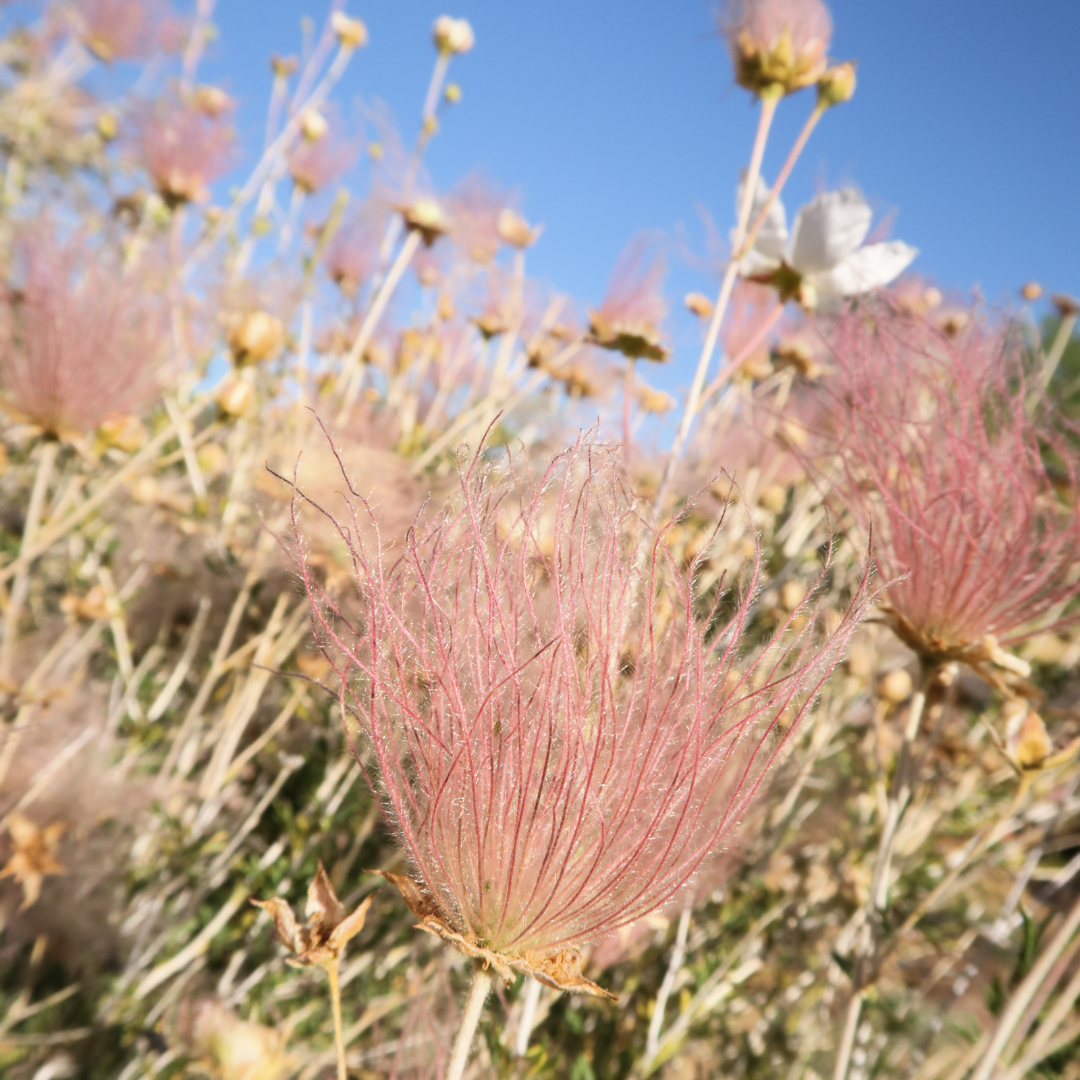
Apache Plume (Fallugia paradoxa) is a stunning Sonoran Desert native shrub that puts on a two-part show no other plant can match. First come delicate white, rose-like flowers in spring — then the real magic happens as they transform into feathery, pinkish-purple seed plumes that shimmer in the desert breeze for months. This ultra-tough, drought-tolerant shrub practically takes care of itself once established. Whether you're restoring a natural desert wash in Scottsdale, creating a low-water screen in Mesa, or adding native texture to a Chandler landscape — Apache Plume is one of the most rewarding and carefree desert shrubs you can plant.
Apache Plume Plant Details
| Attribute | Detail |
|---|---|
| Scientific Name | Fallugia paradoxa |
| Common Names | Apache Plume, Ponil |
| Mature Height | 3–6 feet |
| Mature Width | 4–8 feet |
| Growth Rate | Moderate to fast — fills in quickly once established |
| Sun | Full sun (6+ hrs). Handles intense reflected heat. |
| Water | Very low once established. Extremely drought-tolerant. |
| USDA Zones | 5–10 (Phoenix is Zone 9b–10a) |
| Soil | Well-draining. Thrives in rocky, alkaline Arizona caliche soils. |
| Foliage | Semi-evergreen — small, deeply lobed green leaves |
| Bloom Color | White rose-like flowers followed by feathery pink-purple seed plumes |
| Native Status | Native to the Sonoran Desert and American Southwest |
Apache Plume Uses in Phoenix Landscapes
Natural Desert & Revegetation Plantings
Apache Plume is a go-to species for restoring natural desert character to Phoenix landscapes. It's commonly found along dry washes and rocky slopes in the wild, making it perfect for naturalized plantings that blend seamlessly with the surrounding desert. Plant it in clusters of 3–5 for a natural drift effect in Scottsdale, Cave Creek, and Fountain Hills properties.
Informal Screens & Hedges
Plant Apache Plume 4–5 feet apart for a loose, informal privacy screen that provides soft texture and seasonal color without the rigid look of a formal hedge. The feathery seed plumes catch the light beautifully and create movement in the landscape — a living curtain that's both functional and enchanting.
Erosion Control & Slopes
Apache Plume's extensive root system makes it excellent for stabilizing slopes, berms, and drainage swales. It naturally colonizes disturbed soils in the wild, so it's a proven performer for erosion-prone areas in residential and commercial landscapes across the Valley.
Wildlife & Pollinator Gardens
The white flowers attract native bees and butterflies, while the feathery seed heads provide nesting material for birds. Apache Plume is an important component of wildlife-friendly landscapes in Tempe, Gilbert, and Peoria.
Best Time to Plant Apache Plume in Phoenix
Fall (October–November) is the ideal planting window — warm soil promotes fast root establishment while cooler air reduces transplant stress. Spring (February–April) is the second-best option. As a desert native, Apache Plume is more forgiving of planting timing than most plants, but avoiding peak summer planting still gives the best results.
How to Plant Apache Plume
- Dig wide, not deep — 2–3x the root ball width, same depth as the container.
- Check for caliche — break through any hardpan layer for drainage, though Apache Plume tolerates rocky soils better than most.
- Backfill with native soil — no amendments needed. This plant prefers lean, mineral soil.
- Spacing — 4–5 feet apart for screens; 6–8 feet for individual specimens.
- Water basin — build a 3–4 inch ring around the plant for establishment watering.
- Mulch — 2–3 inches of gravel or decomposed granite (avoid organic mulch near the crown).
Watering Apache Plume in Phoenix
First Year Watering Schedule
Weeks 1–2: Every 2–3 days, deep soak. Month 1–3: Every 4–5 days. Month 3–6: Every 7–10 days. After Year 1: Every 2–3 weeks in summer; little to no supplemental water in winter. Once established, Apache Plume is one of the most drought-tolerant shrubs available.
Drip Irrigation
Place one 1-GPH emitter 12 inches from the base during establishment. After the first year, most established Apache Plume plants need supplemental water only during the driest stretches of summer — and some thrive on rainfall alone.
How fast does Apache Plume grow in Phoenix?
Moderate to fast — expect 1–2 feet of growth per year once established. A 1-gallon plant can reach its full 4–6 foot height within 2–3 years in favorable conditions.
Is Apache Plume native to Arizona?
Yes — Apache Plume is native to the Sonoran Desert and found naturally throughout Arizona, New Mexico, and the American Southwest. It's perfectly adapted to Phoenix's climate, soils, and rainfall patterns.
Does Apache Plume need pruning?
Minimal. Light pruning in late winter to remove dead wood and shape the plant is all that's needed. Avoid heavy pruning — Apache Plume looks best with its natural, airy form intact.
Are the feathery plumes messy?
Not at all. The seed plumes are lightweight and break down naturally. Most homeowners consider them a feature, not a nuisance — they catch the light beautifully and add movement to the landscape.
You May Also Like
Bells of Fire — A vibrant red-flowering shrub for hummingbird gardens.
Desert Milkweed — A native butterfly host plant with fragrant blooms.
Chuparosa - Orange — A hummingbird magnet with tubular orange flowers.
Yellow Bells — A fast-growing, yellow-flowering native shrub for sunny borders.
Share