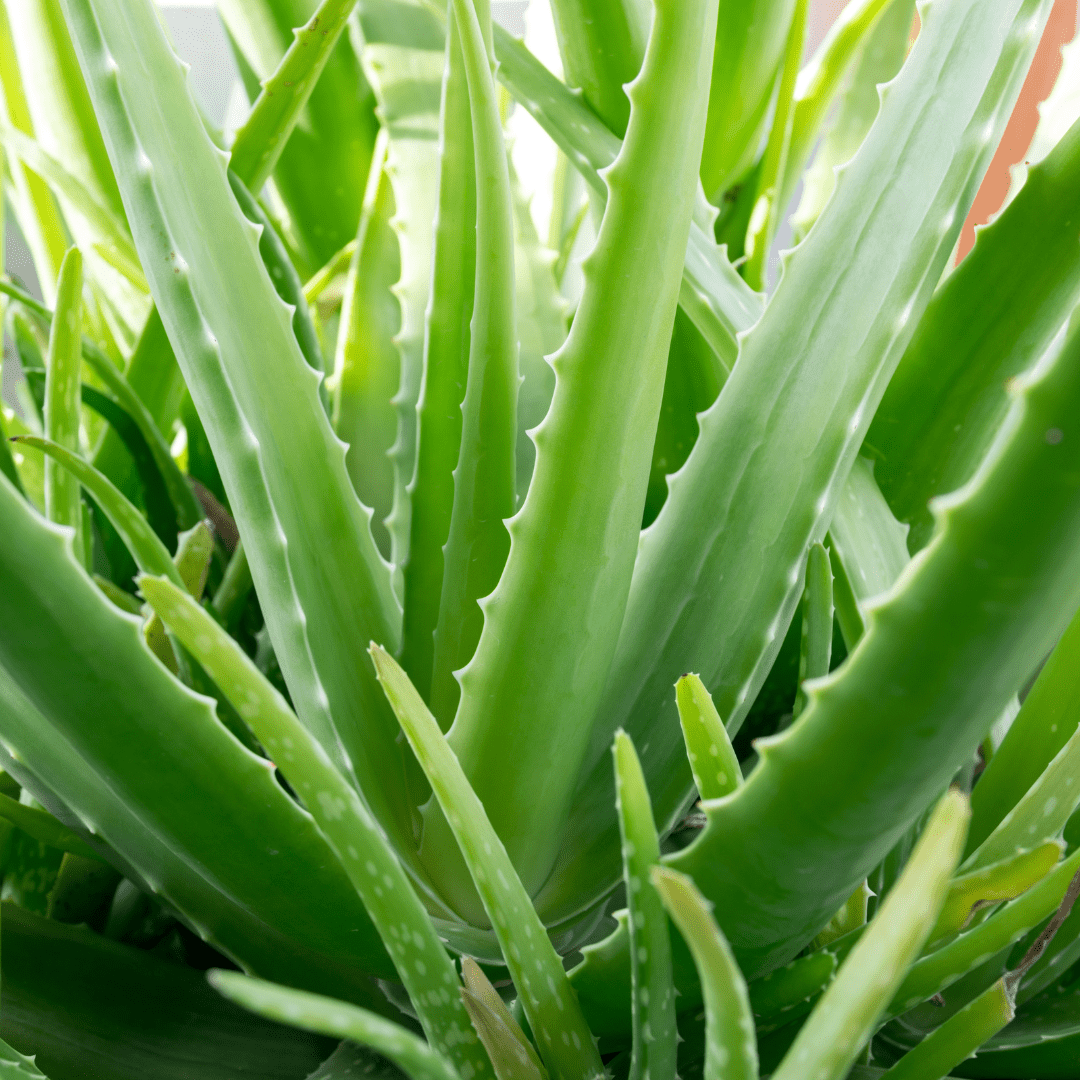


Aloe vera - orange sizes, side by side
Typical height of the plants we have in stock now, measured from the soil to the top. Every plant is a little different.
| Size | At delivery | Price |
|---|
Aloe vera - orange
Aloe vera - orange
Couldn't load pickup availability
The Medicinal Aloe Vera That Thrives in Phoenix Heat
Aloe vera (Aloe barbadensis) — orange flowering variety — is the classic medicinal aloe that practically grows itself in the Phoenix Valley. This vigorous succulent forms large, fleshy rosettes of gel-filled leaves prized for centuries for their soothing, healing properties, while sending up tall spikes of vibrant orange flowers that attract hummingbirds. Whether you're creating a medicinal herb garden in Scottsdale, adding a tough foundation plant in Mesa, or building a low-water landscape in Gilbert — orange-flowering Aloe Vera is the ultimate set-it-and-forget-it desert plant.
Aloe Vera (Orange) Plant Details
| Attribute | Detail |
|---|---|
| Scientific Name | Aloe vera (syn. Aloe barbadensis) |
| Common Names | Aloe Vera, Medicinal Aloe, Orange Aloe Vera |
| Mature Height | 1–2 feet |
| Mature Width | 2–3 feet |
| Growth Rate | Fast — fills in quickly in Phoenix's warm climate |
| Sun | Full sun to partial shade. Handles reflected heat. |
| Water | Low once established. Highly drought-tolerant. |
| USDA Zones | 9–11 (Phoenix is Zone 9b–10a) |
| Soil | Well-draining. Adapts to Arizona caliche soils. |
| Foliage | Evergreen — thick, gel-filled leaves year-round |
| Bloom Color | Orange flower spikes, winter to spring |
| Special Feature | Medicinal gel — soothing for burns and skin care |
Aloe Vera (Orange) Uses in Phoenix Landscapes
Medicinal & Herb Gardens
Orange Aloe Vera is the cornerstone of any medicinal garden in the Phoenix area. Plant it near a kitchen door or patio for easy access to fresh gel whenever you need it for minor burns, sunburn relief, or skin care. It pairs perfectly with other useful desert plants like rosemary, lavender, and Mexican oregano.
Mass Plantings & Ground Cover
Thanks to its fast growth and prolific offsetting habit, Aloe Vera makes an excellent living ground cover for sunny slopes, medians, and large landscape beds. Plant 2–3 feet apart and watch them fill in within a season. A mass planting of orange-flowering Aloe Vera in bloom is a stunning sight that stops traffic in neighborhoods across Scottsdale, Tempe, and Chandler.
Patio & Poolside Plantings
Aloe Vera's tidy rosette form and small, soft leaf-edge teeth (no sharp terminal spine) make it an easy choice for patio borders, and near a pool it does best a couple of feet back from bare-foot traffic. It won't drop messy leaves, tolerates splash-out chlorine, and stays green year-round. The orange flower spikes add a pop of color from winter through spring.
Container Gardens
Aloe Vera thrives in containers on patios, balconies, and covered porches throughout the Valley. Use a well-draining cactus mix and a pot with drainage holes. Container plants are easy to move to afternoon shade during the most extreme summer heat if desired.
Best Time to Plant Aloe Vera in Phoenix
Fall (October–November) is the ideal planting window — warm soil encourages rapid root establishment while cooler air reduces transplant stress. Spring (February–April) is the second-best window. Aloe Vera is forgiving enough to plant almost any time of year in Phoenix, but avoid transplanting during the peak of summer heat (June–August) if possible.
How to Plant Aloe Vera
- Dig wide, not deep — 2–3x the root ball width, same depth as the container.
- Check for caliche — break through any hardpan layer for good drainage.
- Backfill with native soil — Aloe Vera isn't picky; a light 20% perlite blend improves drainage.
- Spacing — 2–3 feet apart for mass plantings; 3 feet for individual specimens.
- Water basin — build a 3–4 inch ring around the plant to direct water to roots.
- Mulch — 2–3 inches of gravel or decomposed granite mulch around the base.
Watering Aloe Vera in Phoenix
First Year Watering Schedule
Weeks 1–2: Every 2–3 days, deep and slow. Month 1–2: Every 3–4 days. Month 3–6: Every 7–10 days (every 5–7 days in peak summer). After Year 1: Every 10–14 days in summer; every 3–4 weeks in winter. Aloe Vera stores water in its thick leaves — overwatering causes more problems than underwatering.
Drip Irrigation
Place one 1-GPH emitter 8–12 inches from the base. Run for 20–30 minutes per session. Established plants are remarkably drought-tolerant and may need supplemental water only every 2–3 weeks in summer.
How fast does Aloe Vera grow in Phoenix?
Very fast. Expect a 1-gallon plant to reach full mature size (2–3 feet across) within 1–2 years in the ground. It also produces abundant offsets (pups) that can be divided and replanted or shared.
What's the difference between orange and yellow Aloe Vera?
Both are sold as Medicinal Aloe (Aloe barbadensis, syn. Aloe vera), and our grower lists them as orange-flowering and yellow-flowering forms. Classic Aloe vera has yellow flowers; orange-flowered plants are clones selected in the nursery trade. Care in Phoenix is the same, and the main difference you will see is bloom color.
Can I use the gel from this Aloe Vera?
It is grown and sold as Medicinal Aloe. The clear inner gel of a mature outer leaf is what is traditionally applied to minor burns, sunburn, or irritated skin. Avoid the yellow latex just under the leaf skin, which can irritate skin and is a strong laxative, and do not eat the leaves.
Is Aloe Vera pet friendly?
The ASPCA lists Aloe Vera as toxic to dogs and cats: chewing the leaves (especially the yellow latex under the skin) can cause vomiting, diarrhea, and lethargy. Plant it in areas where pets don't typically graze, or choose a pet-safe alternative if your animals are plant-chewers.
You May Also Like
Aloe vera - yellow — The yellow-flowering version of the same beloved medicinal aloe.
Aloe Hybrid — A variegated, fast-growing aloe hybrid with colorful rosettes and vibrant blooms.
Agave Sisalana — A bold, architectural agave for dramatic desert landscapes.
Aloe Banseii — A tree-forming aloe that adds vertical drama to succulent gardens.
How Many Aloe Vera Do I Need?
Orange Aloe Vera fills fast into clumps 2 to 3 feet wide, so it works beautifully as a living groundcover or mass planting. Plant about 30 inches on center for full coverage. Use this guide to estimate counts by area:
| Area to Cover | Plants Needed (30 in spacing) |
|---|---|
| 25 sq ft | 4 plants |
| 50 sq ft | 8 plants |
| 100 sq ft | 16 plants |
| 200 sq ft | 32 plants |
For a single specimen or container, one plant fills out within a season or two. Because it pups so freely, a mass planting knits together faster than the spacing suggests, and the extra offsets can be divided and replanted elsewhere.
Aloe Vera Season-by-Season in Phoenix
- Spring (Feb to Apr): Tall orange spikes bloom and draw hummingbirds, while pups push out fast around the base. A strong second planting window.
- Summer (May to Sep): Vigorous in full sun and reflected heat through triple-digit highs, though in the most extreme reflected spots a little afternoon shade keeps leaves from sun-stressing. Monsoon rain is welcome with fast-draining soil: keep added water light.
- Fall (Oct to Nov): Prime planting season. Roots establish quickly in warm soil and flower spikes begin forming for the cool-season bloom.
- Winter (Dec to Jan): Evergreen and the main bloom season, but be aware Aloe Vera is only lightly frost-tolerant: leaves can show damage below about 28 to 30°F. Cover plants or move containers under cover on hard frost nights in the coldest pockets of the Valley.
At a Glance
✔ Hummingbird-Friendly ✔ Pollinator-Friendly ✔ Heat-Loving (Reflected-Heat Tolerant) ✔ Drought-Tolerant ✔ Low-Litter ✔ Soft Leaf-Edge Teeth ✔ Evergreen ✔ Low-Maintenance ✔ Deer & Rabbit-Resistant
Plant It With
- Aloe vera - yellow: the yellow-flowering twin for a two-tone bloom display.
- Aloe Hybrid: a fast colorful aloe that extends the flowering season.
- Aloe Banseii: a tree-forming aloe that adds vertical drama behind the mass.
- Aloe Crosby's Prolific: a low clumping aloe to edge the front of the bed.
Is Aloe Vera Right for Your Yard?
One of the easiest desert plants you can grow: full sun to part shade, fast-draining soil, very low water, and soft rosettes with only small leaf-edge teeth and no sharp terminal spine, easy to live with along patios and walkways. It is ideal for medicinal herb gardens, mass plantings, and slopes, and the gel is always on hand for minor burns. Not a fit if your coldest beds drop well below freezing without protection, or if pets tend to chew leaves: chewed leaves can upset a dog or cat's stomach.
Share