

Agave Filifera
Agave Filifera
Couldn't load pickup availability
The Perfect Threadlike Desert Accent for Phoenix Patios & Rock Gardens
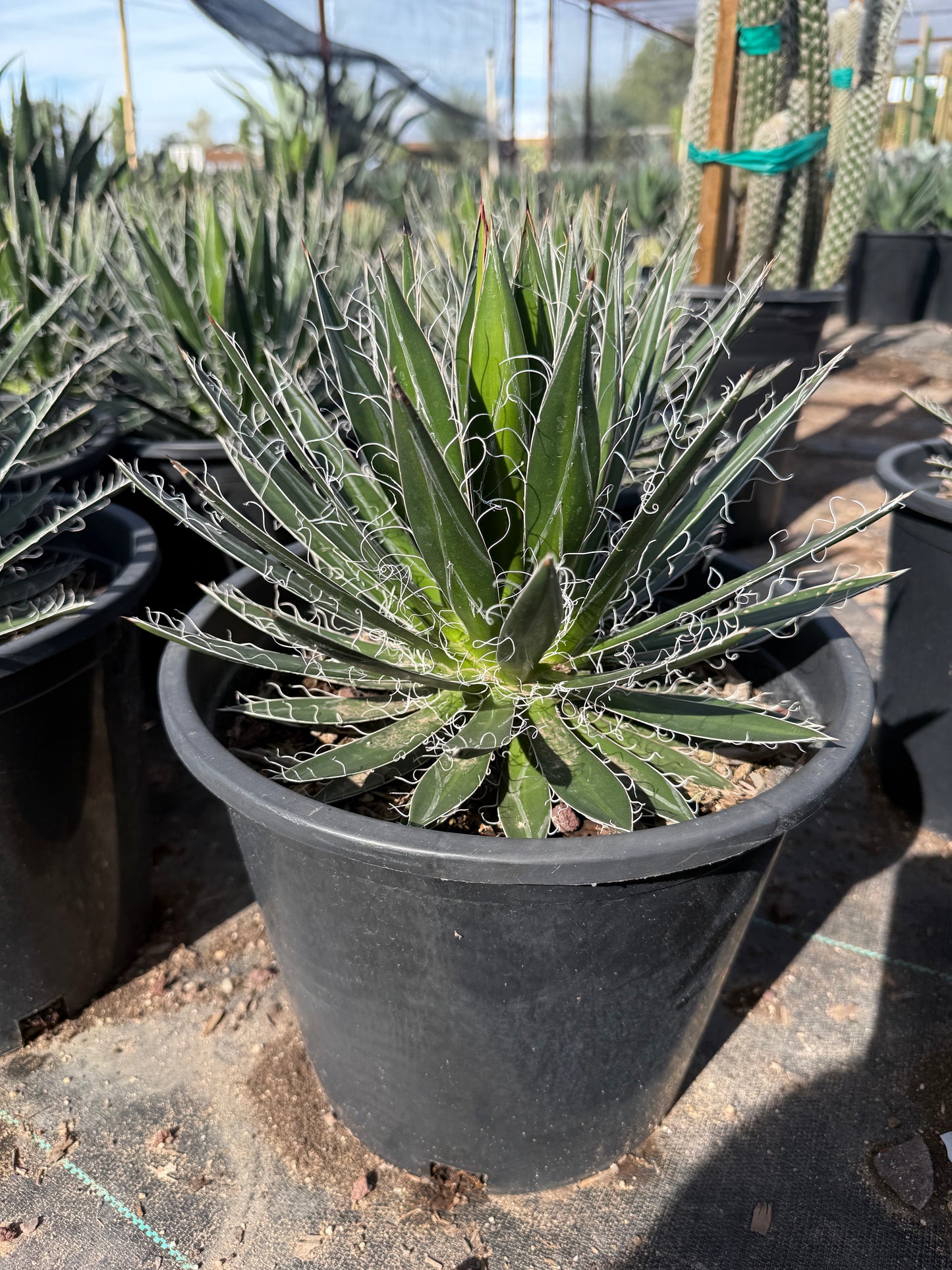
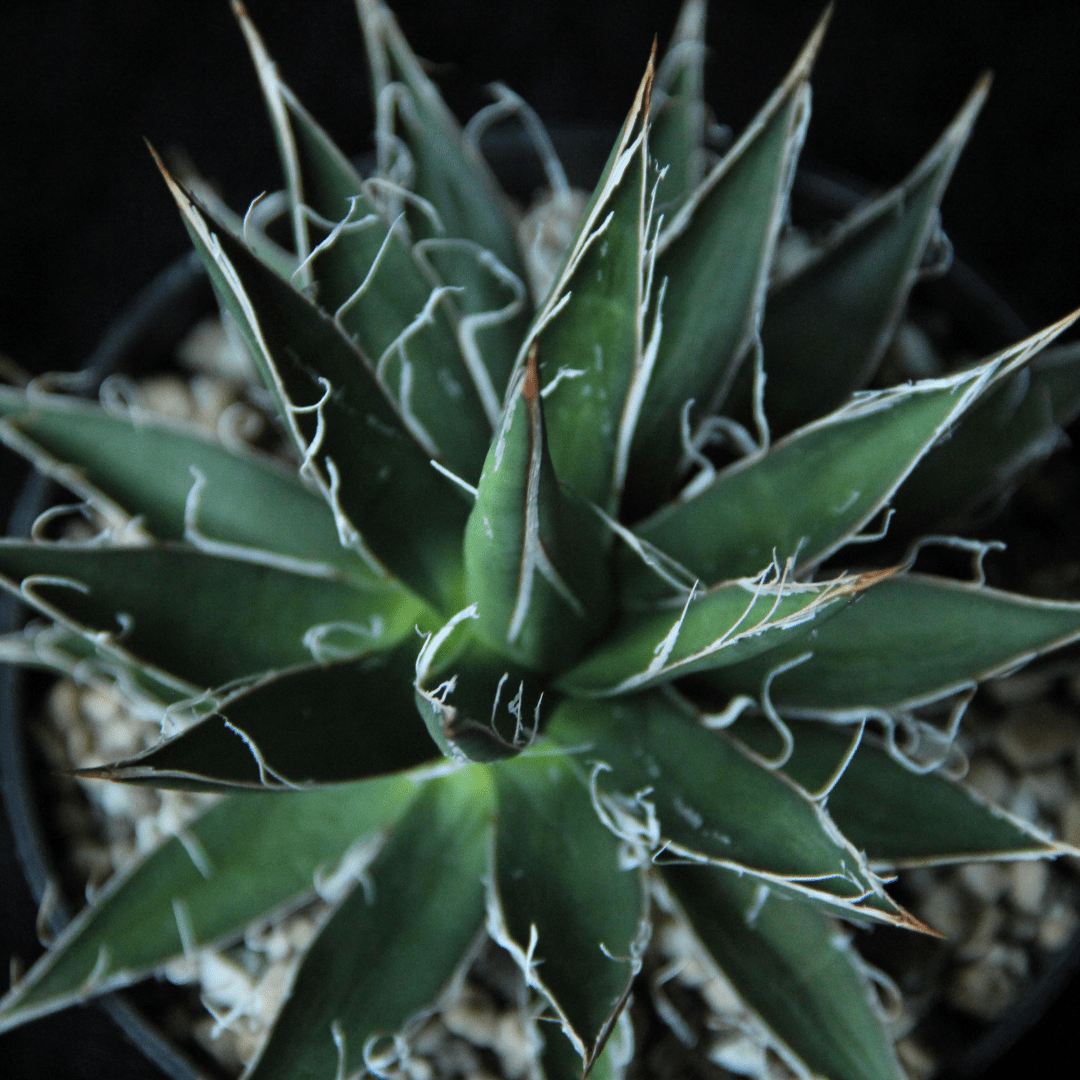
Agave Filifera (Agave filifera) is one of the most striking small agaves you can grow in the Phoenix Valley. Known for its tight, symmetrical rosette of dark green leaves decorated with white filament threads that curl along each margin, this compact agave delivers year-round architectural interest without taking over your space. Whether you're adding texture to a Scottsdale courtyard, filling a decorative pot on a Mesa patio, or tucking an accent into a Gilbert rock garden — Agave Filifera brings bold desert character in a manageable size.
Agave Filifera Plant Details
| Attribute | Detail |
|---|---|
| Scientific Name | Agave filifera |
| Common Names | Thread-Leaf Agave, Thread-Edge Agave, Filifer Agave |
| Mature Height | 1–2 feet |
| Mature Width | 1.5–2.5 feet |
| Growth Rate | Slow — adds 2–4 inches per year in Phoenix |
| Sun | Full sun to partial shade. Handles reflected heat from walls. |
| Water | Very low once established. Highly drought-tolerant. |
| USDA Zones | 9–11 (Phoenix is Zone 9b–10a) |
| Soil | Well-draining. Adapts to Arizona caliche soils with good drainage. |
| Foliage | Evergreen — stays green year-round with distinctive white threads |
| Bloom | Tall flower spike (6–10 ft) with greenish-purple flowers; monocarpic |
Agave Filifera Uses in Phoenix Landscapes
Patio Containers & Courtyard Accents
Agave Filifera's compact size and perfect rosette form make it one of the best agaves for container growing. Place a single specimen in a decorative ceramic or concrete pot on your Scottsdale patio for an instant sculptural focal point. The white thread filaments catch the light beautifully at golden hour, adding a layer of texture that most succulents simply can't match.
Rock Garden & Desert Border Planting
Tuck Agave Filifera between boulders or along a decomposed granite border for a refined desert look. Its slow growth and tight habit mean it won't outgrow its spot for years. Space plants 2–3 feet apart for a grouped display, and pair with Blue Glow Agave or Queen Victoria Agave for a small-agave collector's border that thrives in Chandler, Tempe, and Mesa landscapes.
Modern Minimalist & Xeriscaping
For clean-lined modern desert design, Agave Filifera delivers maximum visual impact with minimal maintenance. Plant a trio in matching pots flanking an entryway, or use them as low-profile ground-level accents in a gravel courtyard. They pair beautifully with Desert Spoon and Ponytail Palm for contrasting forms in Peoria and Glendale xeriscapes.
Best Time to Plant Agave Filifera in Phoenix
Fall (October–November) is the ideal planting window. Warm soil promotes root establishment while cooler air reduces transplant stress, giving the plant 6–8 months to settle in before its first Phoenix summer. Spring (February–April) is the second-best window. Avoid planting in the peak summer heat when possible.
How to Plant Agave Filifera
- Dig wide, not deep — 2–3x the root ball width, same depth as the container.
- Check for caliche — break through any hardpan layer to ensure proper drainage.
- Backfill with native soil — a light 20% pumice or perlite blend improves drainage.
- Spacing — 2–3 feet apart for grouped plantings; single specimen for container use.
- Water basin — build a 3–4 inch ring to direct water to the root zone.
- Mulch — 2–3 inches of gravel or decomposed granite around the base (avoid organic mulch touching the crown).
Watering Agave Filifera in Phoenix
First Year Watering Schedule
Weeks 1–2: Every 2–3 days, deep and slow. Month 1–2: Every 5–7 days. Month 3–6: Every 10–14 days (7–10 days in peak summer). After Year 1: Every 2–3 weeks in summer; once a month or less in winter.
Drip Irrigation
Place one 1-GPH emitter 6–8 inches from the base. Established plants need very little supplemental water — overwatering is the most common cause of agave loss in Phoenix.
How fast does Agave Filifera grow in Phoenix? Agave Filifera is a slow grower, adding just 2–4 inches per year. A 1-gallon plant will take several years to reach its full 1.5–2 foot spread. This makes it ideal for containers and small spaces where you don't want a plant that outgrows its spot.
Is Agave Filifera drought tolerant? Extremely. Once established (after the first year), Agave Filifera thrives on rainfall alone in most Phoenix Valley locations. It stores water efficiently in its thick leaves and can go weeks without supplemental irrigation.
What are the white threads on Agave Filifera? The distinctive white curling filaments along each leaf margin are actually fibers that peel away from the leaf edges as the plant matures. They're a natural decorative feature — not a sign of damage — and give the plant its common name, Thread-Leaf Agave.
Can Agave Filifera handle full Phoenix sun? Yes. It thrives in full sun including reflected heat from walls and concrete. It also tolerates partial shade, making it one of the more versatile small agaves for different exposure conditions around Scottsdale, Gilbert, and Mesa homes.
You May Also Like
Queen Victoria Agave — Another compact collector's agave with dramatic white markings on dark green leaves.
Blue Glow Agave — A stunning solitary rosette with blue-green leaves edged in red, perfect for containers and borders.
Cream Spike — A variegated small agave with cream and green striped leaves, ideal for patio pots.
Butterfly Agave — A short, wide rosette with pale silvery leaves that pairs beautifully with Thread-Leaf Agave.
Shark Tooth Agave — A compact agave with striking toothed margins for bold textural contrast.
How Many Agave Filifera Do I Need?
This is a small specimen agave. At a mature spread of about 1.5 to 2.5 feet it works as a single container or rock-garden accent, or in tidy groupings along a border. Use the guide below to plan.
| Planting Style | How to Space |
|---|---|
| Single container or accent | One rosette per pot or tucked between boulders as a focal point. |
| Group of 3 | Space 2 to 3 ft apart, center to center, for a small collector cluster. |
| Border run (per 10 ft) | About 4 to 5 plants at 2 to 2.5 ft spacing for a low repeating edge. |
Its small size and soft threads make it safe near walkways, but it does carry a firm leaf tip, so keep it just off the edge of high-traffic paths.
Agave Filifera Season-by-Season in Phoenix
- Spring (Feb–Apr): New leaves unfurl with fresh white threads and color is at its best. Strong second planting window.
- Summer (May–Sep): Takes full sun and reflected heat off walls and concrete with ease. During monsoon humidity, let the fast-draining soil dry between waterings to prevent rot.
- Fall (Oct–Nov): Prime planting season. Warm soil and mild air let roots establish before winter.
- Winter (Dec–Jan): Stays evergreen and crisp. Hardy to roughly 15°F, comfortably below normal Valley lows, so no routine frost protection is needed.
At a Glance
✔ Heat-Loving (Reflected-Heat Tolerant) ✔ Drought-Tolerant ✔ Evergreen ✔ Low-Maintenance ✔ Deer & Rabbit-Resistant ✔ Cold-Hardy to 15°F
Plant It With
- Blue Glow Agave: a glowing red-edged rosette that pairs perfectly with Filifera in pots and borders.
- Cream Spike: a variegated mini agave that adds cream-and-green color in the same small-agave bed.
- Butterfly Agave: a silvery wide rosette that contrasts the dark thread-leaf form.
- Desert Spoon: a larger fine-textured rosette for a layered backdrop behind this compact accent.
Is Agave Filifera Right for Your Yard?
It thrives in full sun to partial shade, in fast-draining caliche or potting mix, with very little water once established. The compact 1.5 to 2.5 ft size makes it ideal for containers, courtyards, rock gardens, and small modern beds, and it handles reflected heat well. It is not a fit if your soil holds water or your bed stays wet, since soggy roots are the fastest way to lose an agave.
Share