

African Spear
African Spear
Couldn't load pickup availability
Phoenix's Toughest Sculptural Indoor-Outdoor Succulent
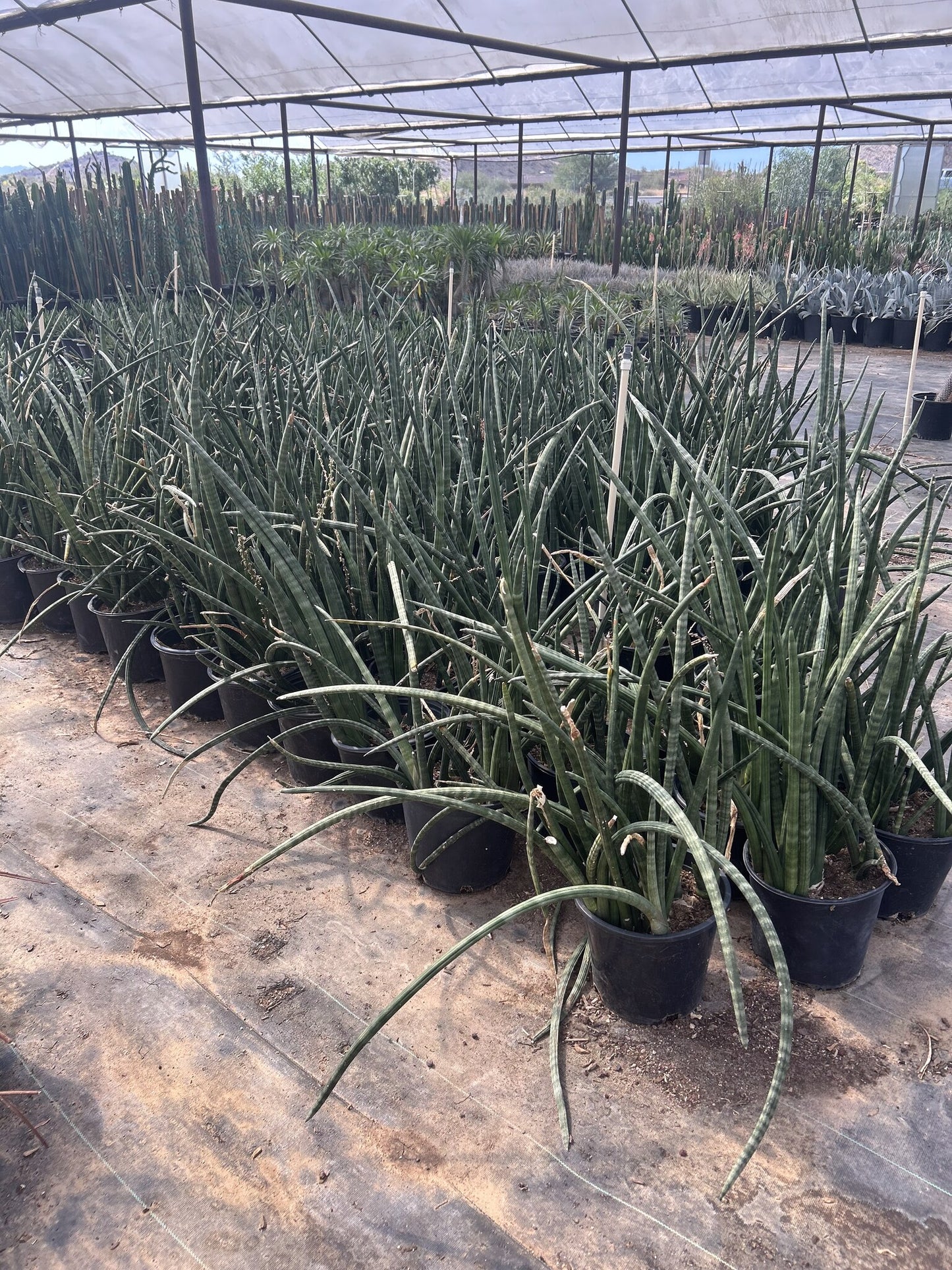
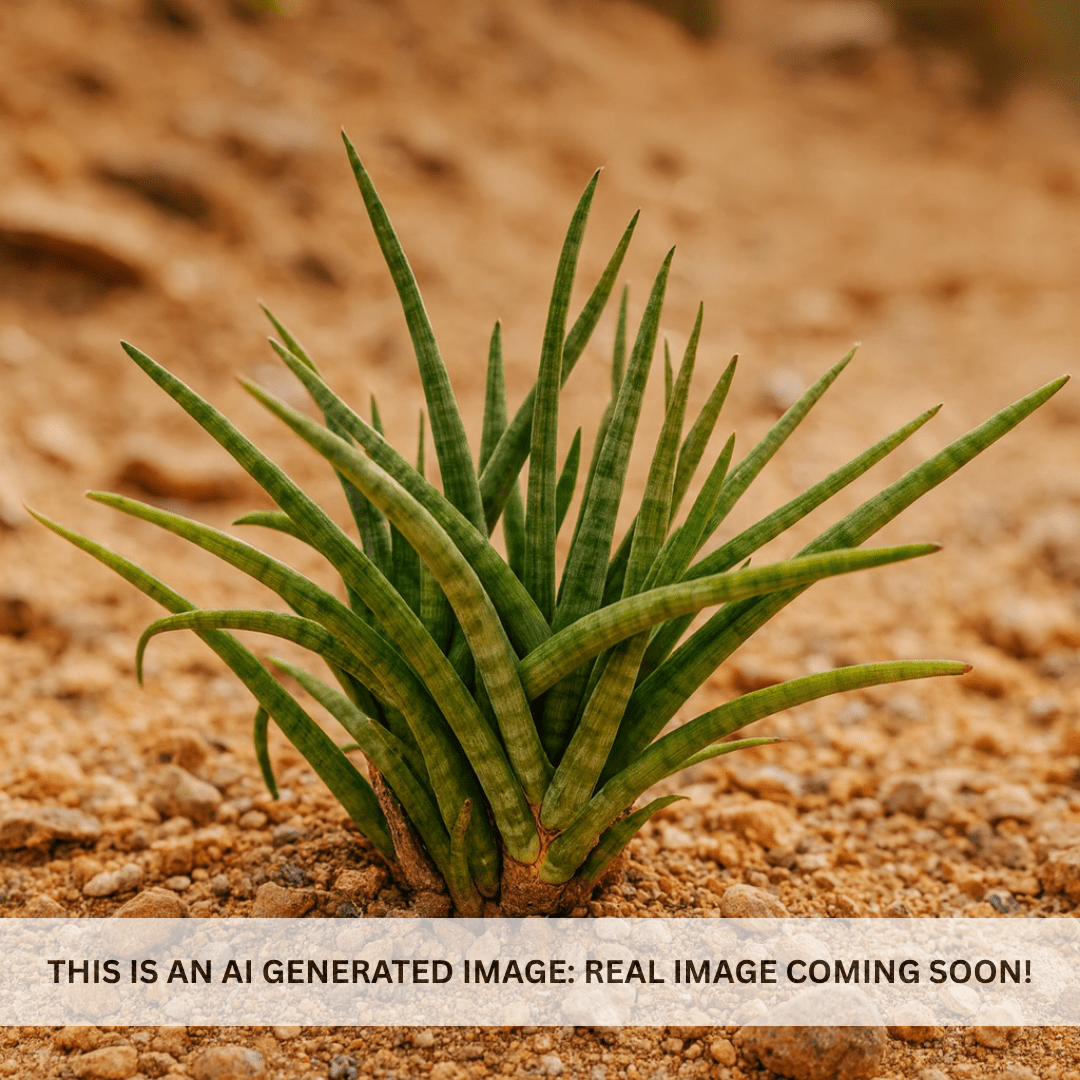
African Spear (Sansevieria cylindrica), also known as Cylindrical Snake Plant, is one of the most indestructible and architecturally striking succulents you can grow in the Phoenix Valley. Its rigid, cylindrical spear-shaped leaves grow in elegant fan formations, reaching 2–3 feet tall with a sculptural presence that looks equally stunning in a modern Scottsdale living room or a shaded patio garden in Mesa. Whether you're looking for the ultimate low-light indoor plant in Tempe, a heat-proof container accent in Chandler, or a unique conversation piece for your Gilbert courtyard — African Spear thrives on neglect and looks amazing doing it.
African Spear Plant Details
| Attribute | Detail |
|---|---|
| Scientific Name | Sansevieria cylindrica (Dracaena angolensis) |
| Common Names | African Spear, Cylindrical Snake Plant, Spear Sansevieria |
| Mature Height | 2–3 feet |
| Mature Width | 1–2 feet |
| Growth Rate | Slow to moderate |
| Sun | Full sun to deep shade. Extremely adaptable to all light levels. |
| Water | Very low. One of the most drought-tolerant houseplants available. |
| USDA Zones | 10–12 outdoors (Phoenix is Zone 9b–10a — protect from frost) |
| Soil | Well-draining. Adapts to Arizona caliche soils in containers with good drainage. |
| Foliage | Evergreen — smooth, cylindrical gray-green leaves year-round |
| Bloom | Greenish-white fragrant flowers on mature plants |
African Spear Uses in Phoenix Landscapes
Modern Indoor Statement Plant
African Spear is one of the best indoor succulents for Phoenix homes and offices. It tolerates low light, air conditioning, and irregular watering — perfect for busy homeowners. The cylindrical leaves add a sculptural, contemporary look to entryways, living rooms, and office lobbies. NASA research has shown Sansevieria species are effective air purifiers.
Shaded Patio and Courtyard Accent
Plant African Spear in decorative containers on covered patios, under pergolas, or in north-facing courtyard gardens throughout Scottsdale, Gilbert, and Peoria. The rigid vertical form creates a striking contrast against softer desert plants. Group multiple plants in matching pots for a cohesive modern desert look.
Protected Outdoor Beds
In frost-free microclimates (south-facing walls, covered areas), African Spear can grow year-round outdoors in Phoenix. Plant it alongside Mother in Law's Tongue, Flapjacks, and other frost-sensitive succulents in protected beds with excellent drainage.
Best Time to Plant African Spear in Phoenix
Spring (March–May) is ideal for outdoor planting, giving the plant the full warm season to establish roots. For indoor plants, any time of year works. If planting outdoors, avoid fall and winter — African Spear is frost-sensitive and needs warm soil to establish.
How to Plant African Spear
- Choose a container with drainage holes — African Spear rots quickly in standing water
- Use a fast-draining cactus/succulent mix with 50% perlite or pumice
- Plant at the same depth as the nursery pot — do not bury the leaf bases
- For outdoor beds — amend caliche soil heavily with gravel and perlite for drainage
- Position in bright indirect light (indoors) or filtered shade (outdoors)
- Top-dress with decorative gravel for a clean, modern look
Watering African Spear in Phoenix
Indoor Watering
Water every 2–3 weeks in summer, every 4–6 weeks in winter. Let the soil dry completely between waterings. Overwatering is the number one killer of African Spear — when in doubt, wait another week.
Outdoor Watering
Weeks 1–2: Every 5–7 days. Month 1–3: Every 10–14 days. Established: Every 2–3 weeks in summer; monthly in winter. Reduce watering dramatically in cooler months.
Can African Spear survive outdoors in Phoenix?
Yes, in protected spots. It handles Phoenix summer heat well but is frost-sensitive below 50°F. Keep it under covered patios, against south-facing walls, or bring containers indoors during winter cold snaps.
How much light does African Spear need?
It thrives in everything from bright indirect light to low light. Direct afternoon sun outdoors can scorch the leaves in summer, so filtered light or morning sun is best for outdoor placement.
Is African Spear toxic to pets?
Yes, Sansevieria species are mildly toxic to cats and dogs if ingested. Place plants out of reach of pets, or choose a pet-safe alternative.
How do I propagate African Spear?
Divide offsets (pups) that emerge from the base. Allow the cut to callous for 1–2 days before replanting in dry cactus mix. Leaf cuttings can also root but take much longer.
You May Also Like
Mother in Law's Tongue — the classic upright snake plant for indoor and outdoor use. Ponytail Palm — a dramatic trunk-forming succulent for containers. Elephant's Ear — velvety oversized leaves for bold texture. Blue Elf Aloe — compact rosettes for bright spots. Pink Jade Plant — trailing succulent with rosy-tipped leaves.
How Many African Spear Do I Need?
African Spear stays compact at 1 to 2 feet wide, so it works as a container accent or a tight low mass in a protected bed. Space plants about 18 inches on center for a filled-in grouping. Use this coverage guide:
| Bed Area | Plants Needed (18 in spacing) |
|---|---|
| 10 sq ft | 4 plants |
| 25 sq ft | 11 plants |
| 50 sq ft | 22 plants |
For containers, plant a single fan in a 1 to 3 gallon pot, or cluster 3 in a wide low bowl for a fuller sculptural look.
African Spear Season-by-Season in Phoenix
- Spring (Feb–Apr): The best window to plant outdoors or move containers back outside. New spears push up from the base as nights warm.
- Summer (May–Sep): Handles the heat in bright indirect light or filtered shade. Direct afternoon sun can scorch the leaves, so give it some protection. Water sparingly.
- Fall (Oct–Nov): Growth slows as nights cool. Begin tapering water. A good time to bring tender containers toward their winter spot.
- Winter (Dec–Jan): Very frost-sensitive, with damage possible below about 50°F. Keep under cover against a warm south wall, or move containers indoors during cold snaps.
At a Glance
✔ Heat-Loving (Reflected-Heat Tolerant) ✔ Drought-Tolerant ✔ Evergreen ✔ Low-Maintenance ✔ Deer & Rabbit-Resistant
Plant It With
- Mother in Law's Tongue: the classic upright snake plant, a natural match for protected beds and containers.
- Ponytail Palm: a trunk-forming succulent that adds height above the spears.
- Elephant's Ear: velvety oversized leaves for bold texture contrast.
- Pink Jade Plant: rosy-tipped succulent foliage to soften the rigid spears.
Is African Spear Right for Your Yard?
African Spear is ideal for containers, covered patios, and frost-free pockets with bright indirect light and fast-draining soil. It asks for almost no water and shrugs off neglect. Not a fit for an exposed in-ground bed that takes hard winter frost or blasting direct afternoon sun, where the leaves can scorch or freeze: give it cover or grow it in a pot you can move.
Customer Reviews
It’s great
Share